

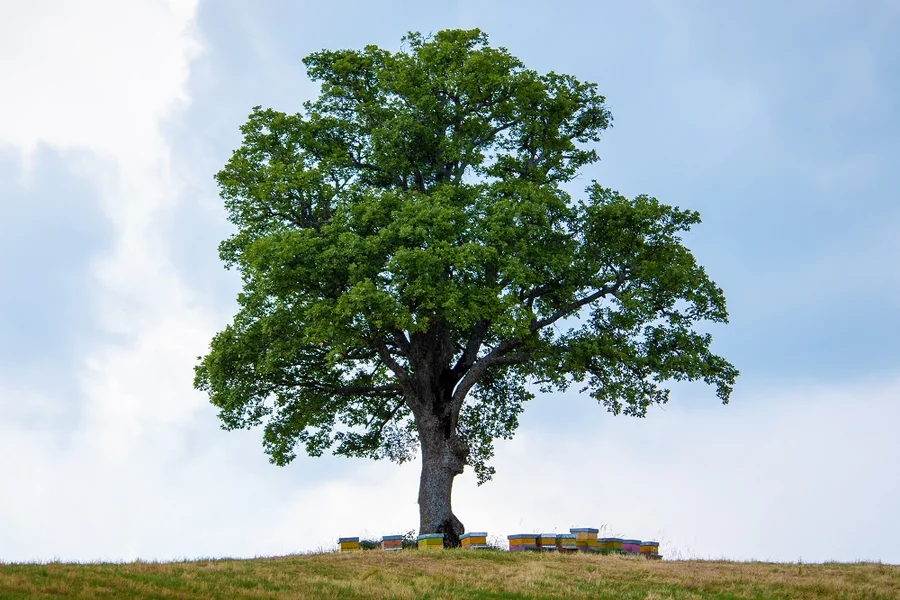
Creating a living memorial is a meaningful way to honor someone’s life while giving remembrance a place to grow. Instead of keeping cremated remains in a traditional urn, families can incorporate them into a tree, plant, flower, or garden. As the plant grows, it can serve as a lasting reminder of the person and the memories they shared. This approach can also create a peaceful space where family and friends can visit and feel connected.
A living memorial can be simple or carefully planned, depending on the wishes of the family. Choosing the right plant and method can help create a memorial that remains meaningful for years. With thoughtful preparation, ashes can become part of a natural setting that reflects the beauty and continuity of life.
Choose a Meaningful Plant
Choosing the right plant is one of the most personal parts of creating a living memorial. Consider selecting a tree, flower, shrub, or other plant that held special meaning for the person being remembered. Their favorite flower or a tree associated with a cherished place can add another layer of significance to the memorial. It is also important to consider the plant’s growing requirements, including sunlight, soil conditions, water, and available space.
Native plants can be a practical choice because they are generally better suited to the local climate and environment. If planting a tree, consider how large it may become and make sure there is enough room for healthy root and branch growth. Taking both emotional meaning and practical needs into account can help the memorial plant thrive.
Prepare the Ashes and Planting Materials
Cremated remains require thoughtful preparation before they are incorporated into soil. Ashes can have a high mineral and alkaline content, so using them in their original form may not be ideal for many plants.
A soil cremation mixture can help dilute and balance the remains before they are introduced to the planting environment. Depending on the planting method, families may combine a portion of the ashes with suitable soil, compost, or another planting medium. The exact preparation can vary based on the plant species and the instructions provided with a memorial planting system. It is helpful to follow the recommendations of a knowledgeable nursery professional or memorial product provider when preparing the planting materials.
Overall, proper preparation gives the plant a better environment for establishing healthy roots while allowing the ashes to become part of the memorial landscape.
Select the Right Location
The location of a living memorial can influence both the plant’s health and the experience of visiting it. Choose a place that provides the amount of sunlight and moisture required by the selected plant. Outdoor locations such as a garden, private yard, or designated memorial space can provide a peaceful setting for reflection. Before planting a tree or larger shrub, check for underground utilities, nearby structures, property boundaries, and future space requirements. Families may also want to consider how accessible the location will be for loved ones who wish to visit. A place connected to meaningful memories, such as a favorite garden or family property, can make the memorial feel even more personal.
Plant and Care for the Memorial
Once you have chosen the plant and the right location, it is time to begin the planting process. Follow the specific planting requirements for the tree or plant, including the recommended depth and soil conditions. After planting, provide enough water to help the roots become established, especially during the early stages of growth. Adding a layer of mulch around the base can help retain moisture and limit weed growth, but keep it away from the trunk or stem.
Regular care, including watering and pruning, can help the plant remain healthy as it grows. Family members can take part in these simple tasks, making plant care a meaningful part of the memorial tradition. Moreover, watching the plant grow and change with the seasons can provide a lasting reminder of a loved one and the memories they shared.
Make the Memorial Personal
A living memorial can become even more meaningful when personal touches are added to the surrounding space. A small plaque, engraved stone, garden marker, or another tribute can provide a lasting way to identify and honor the person being remembered. Families may also include photographs or decorations that reflect their loved one’s personality or favorite things. The surrounding area can be arranged as a peaceful place for remembrance or simply enjoying the beauty of nature.
Over time, families may choose to visit the memorial on birthdays, anniversaries, holidays, or other meaningful occasions. These visits can become cherished traditions where loved ones gather and reflect on special memories. Even simple details can make the space feel personal and connected to the life of the person being honored. Most importantly, the memorial should reflect the unique relationship between the individual and the people who continue to carry their memory forward.
Continue the Memorial Over Time
A living memorial naturally changes as the plant grows and moves through the seasons. Watching these changes can serve as a gentle reminder that memories continue to grow and remain part of our lives. Regular care can help keep the plant healthy while preserving the memorial for years to come. Families can also document its growth through photographs or written memories to share with future generations. If the original plant eventually declines, seeds or cuttings may offer an opportunity to continue its legacy when appropriate. In this way, a living memorial can become a lasting part of a family’s story.
Conclusion
Creating a living memorial with ashes offers a thoughtful way to keep a loved one’s memory connected to nature. With the right preparation and ongoing care, the memorial can grow into a lasting tribute. Over time, its changing seasons and continued growth can provide a peaceful place for reflection and remembrance. Most importantly, a living memorial allows memories to become part of something that continues to grow for generations.