

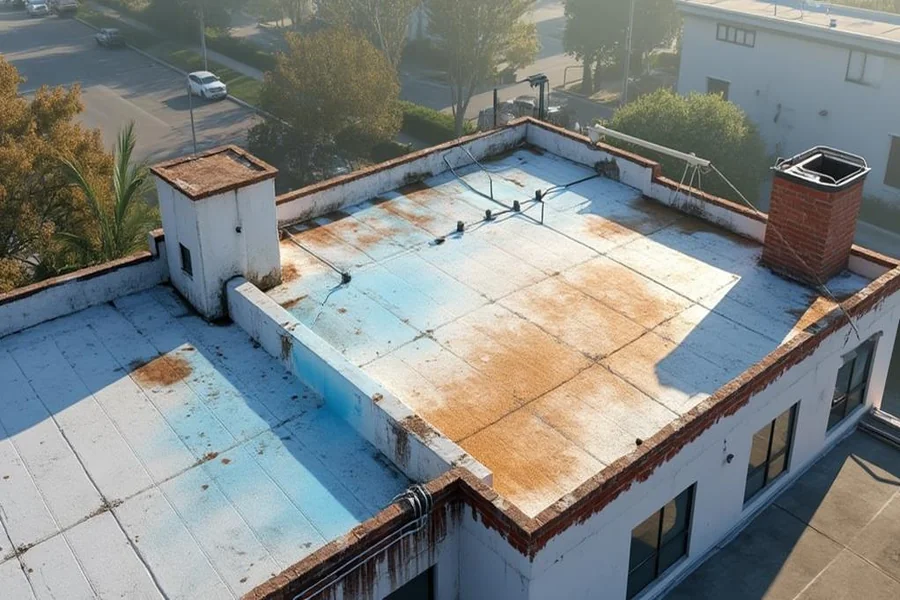
When the snow finally melts and the birds start chirping again, most building owners focus on their landscaping or spring cleaning. However, the real story of your building’s health is usually unfolding way up above your head. Spring brings a specific set of challenges for large commercial and industrial roofs that often go unnoticed until the first heavy rainstorm of the season hits. Finding a reliable roof repair midway service during this transition is essential because the winter leftovers can quickly turn into a structural nightmare. If you don’t clear the path for water to leave, the water will eventually find its own way out, usually through your ceiling.
The Hidden Weight of Winter Leftovers
During the winter months, your roof acts like a giant catcher’s mitt. It collects a lot of things like:
- Massive amounts of snow falling all seasons long
- Grabs onto dead leaves that didn’t fall until the first freeze
- Becomes a repository for twigs snapped off by heavy winds
- Also has loads of gravel or silt that washes out of shingles or masonry
As the ice thaws, all of this material doesn’t just vanish. It gets pushed around by the melting slush and settles into the lowest points of your roof.
On a large, flat surface, even a small pile of wet leaves can weigh a surprising amount. When you multiply that by dozens of small piles scattered across thousands of square feet, you are looking at significant dead weight. This weight can cause subtle bowing in the roof deck. Once the deck bows, you have created a permanent low spot where water loves to sit, leading to a cycle of ponding that gets worse every year.
Why Drainage Paths Get Diverted
Water is lazy. It takes the path of least resistance every single time. On a properly maintained roof, that path leads straight to the drains or scuppers. But spring debris acts like a series of tiny dams. A single branch caught near a drain can start catching smaller leaves and silt. Within weeks, you have a solid barrier that forces water to pool in areas that were never designed to hold standing liquid.
When the intended drainage path is blocked, the water starts to “back up” the slope of the roof. It seeks out seams, flashing, and mechanical curbs. Most roofing membranes are incredibly waterproof when water is flowing over them, but they aren’t always designed to be submerged for days at a time. This standing water puts immense pressure on the seals around vents and HVAC units, which are the most common spots for leaks to start.
The Danger of Organic Decomposition
Debris isn’t just a physical hurdle for water. It is also a biological issue. As the weather warms up, that wet pile of leaves and dirt becomes a perfect breeding ground for mold, algae, and even small plants. You might think a little moss looks charming, but it is actually eating your roof.
Organic matter holds moisture directly against the roof membrane. This constant dampness can cause certain types of roofing materials to soften or degrade prematurely. Furthermore, the roots from small weeds can work their way into tiny cracks or seams. As those roots grow, they act like wedges, prying apart the layers of your roof and creating entry points for water that didn’t exist a few months prior.
Clogged Drains and Internal Pressure
Large roof surfaces usually rely on internal drains to move water through the building and out to the storm sewers. When spring debris enters these pipes, the problem moves from the surface to the interior. A partial clog deep inside a drain pipe can cause water to back up during a heavy spring downpour.
This creates a “hydrostatic head” where the weight of the water in the vertical pipe puts extreme pressure on the joints. If those joints fail, you won’t just have a leak on your roof. You will have a burst pipe inside your walls or ceiling. Keeping the surface clear is the only way to ensure the internal plumbing of your roof stays functional.
Final Word
Taking care of your roof in the spring is about more than just aesthetics. It is about protecting the structural integrity of your entire property by ensuring water can escape as quickly as possible. If you notice standing water or piles of muck near your drains, it is time to call in a professional roof repair midway service to get things back in order. A little bit of proactive cleaning today can save you from a massive, expensive headache later in the summer when the real storms arrive.