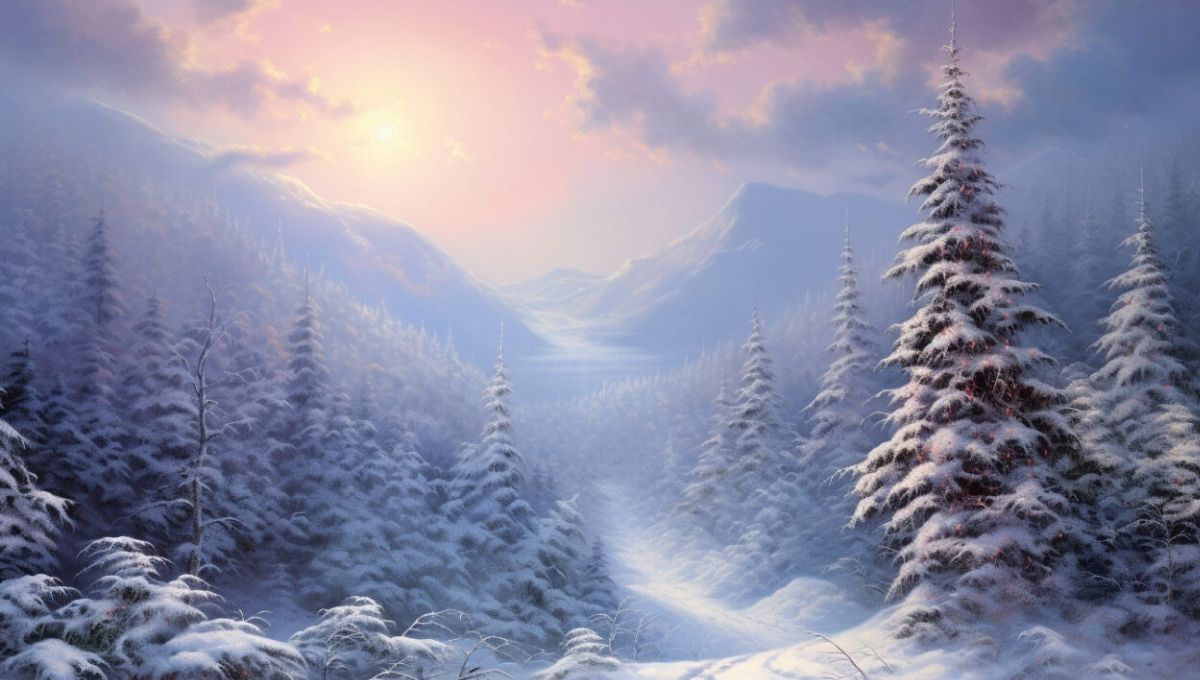

Winter—a season cloaked in frost and mystery—has long captivated human imagination. Across cultures and centuries, it has stood as a powerful metaphor for transformation, introspection, and the cyclical nature of life. Its silence speaks louder than the clamor of warmer seasons, and its chill breath carries messages of both finality and hope. From ancient mythology to modern festivals, the symbolic significance of winter is as layered and intricate as a snowflake.
The Symbolism of Silence in Winter
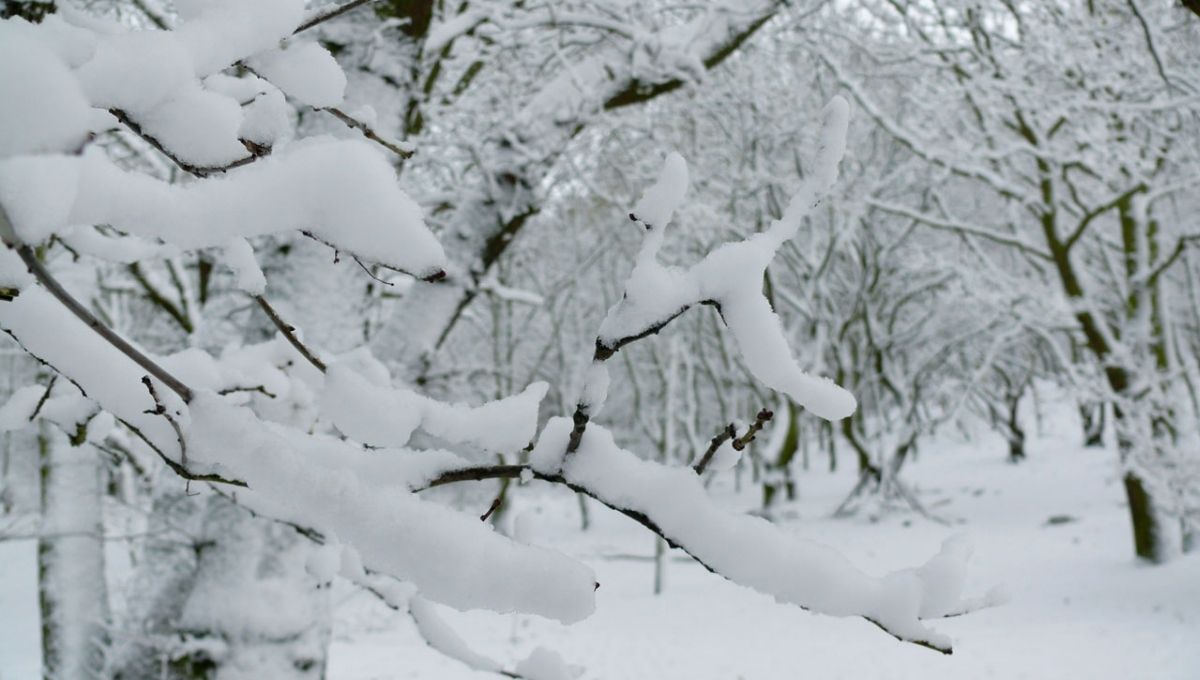
The world quiets under a blanket of snow. Trees stand still, rivers freeze mid-thought, and the air thickens with stillness. This silence is not empty—it is full. In many cultures, the hush of winter is seen as a sacred pause, a time when nature withdraws to reflect, to listen, and to prepare.
In Japanese aesthetics, this concept finds a home in ma—the space between sounds or actions that imbues them with meaning. The silence of winter becomes a canvas for the soul, where clarity emerges from the absence of noise. Silence, in winter, is not void but presence—an unseen energy pulsing beneath frozen earth.
How Winter Represents Endings and Death
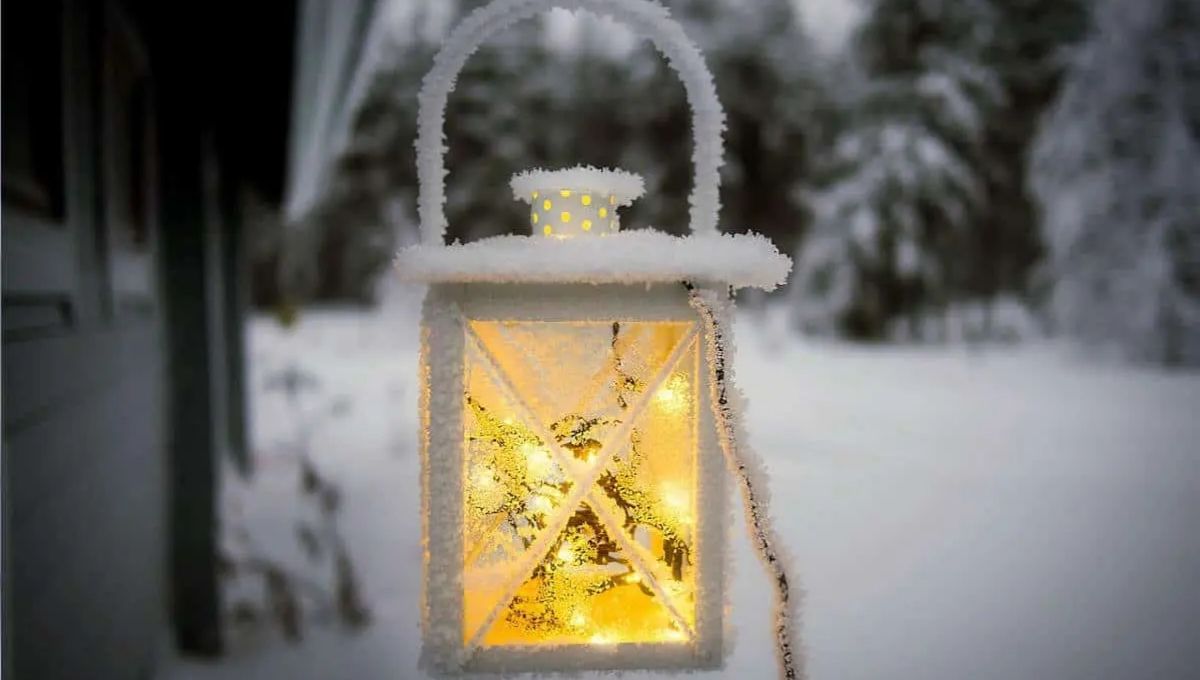
Winter is often the metaphorical bookend of life’s seasons. Leaves fall and decay, the land lies dormant, and light recedes into long nights. This season has been associated with endings and death across traditions—from the skeletal trees of Western poetry to the descent of Persephone into the underworld in Greek myth.
In the Celtic Wheel of the Year, Samhain—celebrated at the onset of winter—marks a thinning of the veil between the living and the dead. It acknowledges that death is not annihilation but transition. Winter’s cold grasp does not obliterate; it transforms, preparing all things for what lies beyond the frost.
Rebirth and Renewal: The Promise of Winter’s End
Beneath the frozen crust, life simmers. Winter, though barren in appearance, holds the embryo of spring. Dormant seeds lie in wait, and buds form quietly under icy bark. This is the paradox of winter: it kills and conceives at once.
In Persian culture, the celebration of Yalda Night—the longest night of the year—is followed by the gradual return of light, a symbol of rebirth. Christianity echoes this in the birth of Christ during the heart of winter, embodying hope emerging from desolation. Winter’s end whispers renewal not as a possibility, but as a promise.
Purity and Innocence: Winter’s Gentle Side
A fresh snowfall purifies the landscape, cloaking imperfections in pristine white. This visual clarity evokes purity and innocence. The symbolism is potent—white is a color long associated with beginnings, virtue, and the untouched.
In Inuit cultures, snow is not merely weather; it is sacred and expressive, its many forms giving name to different types of snow and ice. It speaks to the refined beauty and fragility of innocence. In literature and art, winter often becomes the backdrop for moments of vulnerability, candor, and emotional honesty. In its quietude, winter gives innocence space to breathe.
Winter as a Season of Transitions
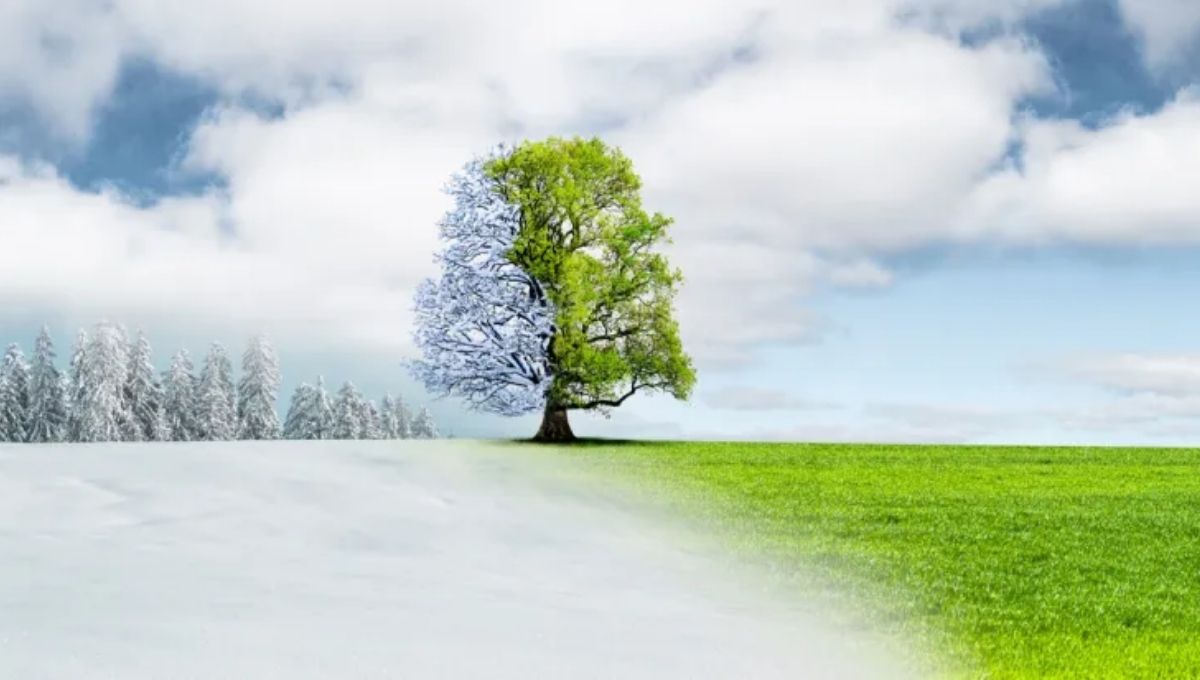
Change does not always trumpet its arrival. Sometimes it comes softly, like snowflakes collecting into drifts. Winter is the liminal space between death and rebirth, a temporal threshold. This transitional energy is a reminder that all change requires stillness.
Indigenous cultures often use winter as a time for storytelling, meditation, and the oral passing of wisdom. These practices underscore winter’s role as a crucible for transformation. One must descend into winter’s cave before emerging into spring’s meadow. It is a season that teaches patience, endurance, and faith in the unseen.
Winter Festivities and Celebrations Around the World
Despite its bleak veneer, winter is rich with festivity. Across the globe, celebrations burst forth as candles in the dark. Christmas, Hanukkah, Diwali, and Kwanzaa all revolve around themes of light overcoming darkness.
In Scandinavia, Jul (Yule) marks the solstice with bonfires and feasts—echoes of ancient Norse traditions that celebrated the sun’s return. Chinese New Year, though arriving at winter’s end, symbolizes renewal and is steeped in ancestral reverence. These celebrations are not merely cultural—they are spiritual antidotes to winter’s austerity.
Winter and the ‘Dark Night of the Soul’ Experience
Coined by mystic Saint John of the Cross, the “dark night of the soul” refers to a period of inner desolation preceding spiritual awakening. Winter mirrors this descent—a season where warmth, light, and certainty retreat, compelling a confrontation with the self.
Many spiritual paths regard this descent as necessary. Just as the seed must crack open in darkness to grow, the soul must weather its own winter to mature. The season becomes an archetype for transformation through suffering—unseen growth born from silence and solitude.
Symbolic Objects That Represent Winter
Winter’s essence is distilled into the objects that define it. The snowflake, with its intricate, ephemeral design, symbolizes individuality and transience. Evergreen trees—resilient through frost—stand as emblems of endurance and eternal life.
Icicles represent beauty forged by cold, delicacy born from the unforgiving. Mittens, scarves, and fireside hearths become tokens of warmth, love, and domestic sanctuary. Across cultures, these items are imbued with metaphor: not mere winter tools, but symbolic vessels of meaning.
Global Winter Celebrations and Traditions
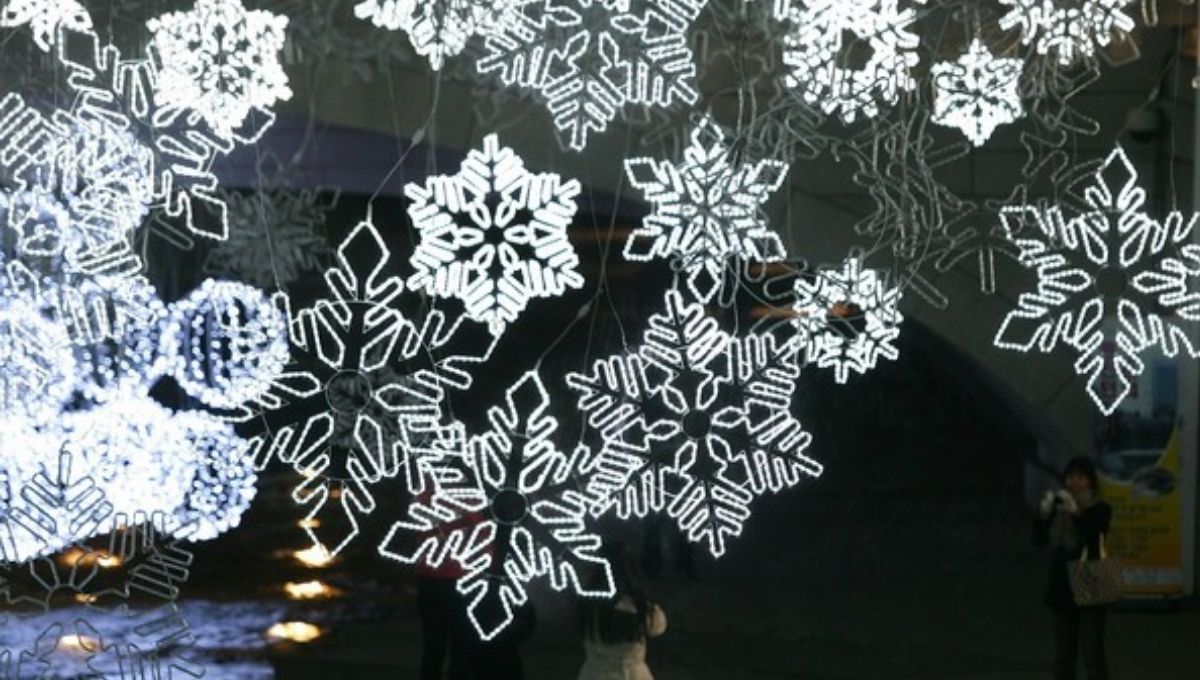
From mountaintop rituals to desert lantern festivals, winter traditions span continents and carry ancient echoes. In Japan, the Sapporo Snow Festival transforms ice into art, showcasing the creative soul of winter. In Russia, Maslenitsa—celebrated just before Lent—bids farewell to winter with pancakes and bonfires.
In Guatemala, the Burning of the Devil rids homes of evil spirits as winter nears, while the Sámi people of the Arctic maintain reindeer herding and storytelling traditions that tether them to ancestral rhythms.
These rituals are not simply seasonal—they are expressions of cultural identity rooted in winter’s symbolism.
Winter is not just a time of year; it is a language. A language spoken in snow and silence, in endings and expectant beginnings. Its symbolism is universal yet deeply personal, etched into the myths, festivals, and inner journeys of people around the world.
FAQs
1. What does winter symbolize in different cultures?
Winter often symbolizes transformation, introspection, and the cycle of life. Many cultures see it as a time of endings, rest, and eventual rebirth.
2. Why is winter associated with silence and stillness?
Because nature slows down—rivers freeze, snow muffles sound—winter’s silence is seen as sacred, offering a chance for reflection and inner peace.
3. Is winter only seen as a time of death or endings?
Not at all! While winter marks endings, it also holds the promise of renewal, like seeds waiting underground for spring.
4. How do different cultures celebrate winter?
From Christmas and Hanukkah to Yalda Night and Maslenitsa, winter celebrations focus on light, warmth, and community amid the cold.
5. What are some objects that symbolize winter?
Snowflakes, evergreen trees, icicles, scarves, and hearths all carry deep symbolic meanings—from purity and resilience to warmth and love.
Conclusion:
Winter embodies silence, transition, and renewal—reminding us that stillness holds power. Across cultures, its symbolism weaves through death, rebirth, purity, and celebration. Embracing winter’s deeper meanings enriches our spiritual and cultural awareness, offering a moment to pause, reflect, and reconnect with the quiet strength within life’s coldest season.
Read More:
Sun in 1st House: In-depth Explanation (All Signs)
15 Powerful Symbols of Forgiveness from Different Cultures
Phoenix Symbolism & Meaning: Ultimate Guide