
What Does Wind Represent?
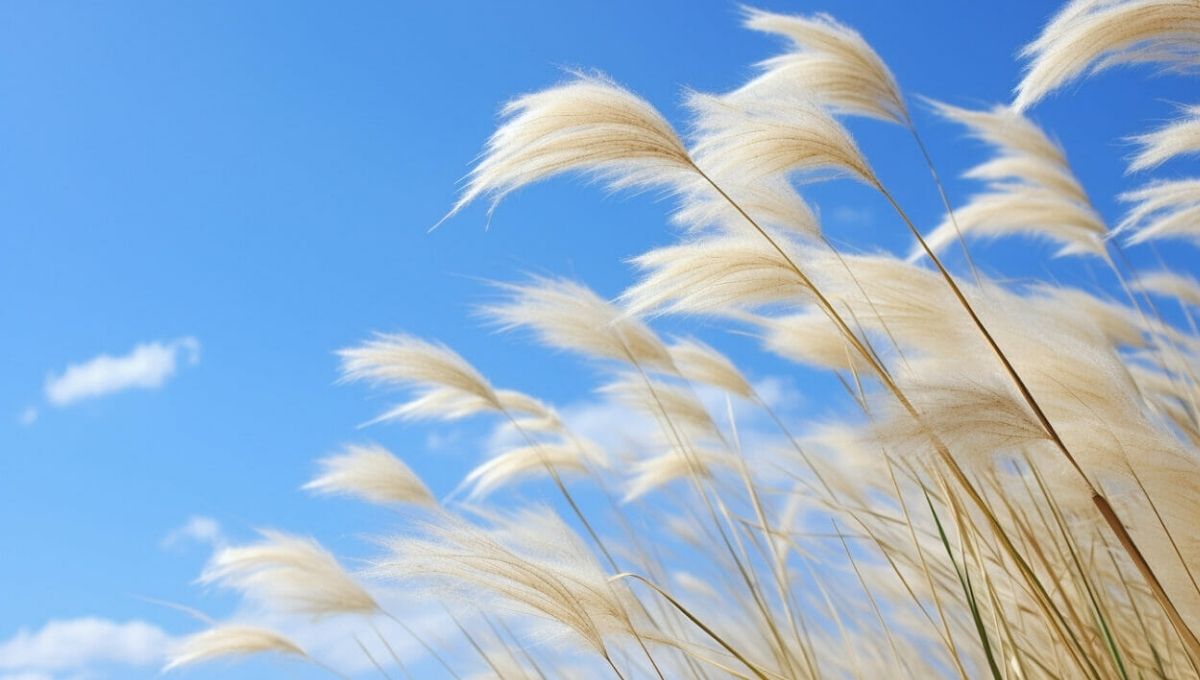
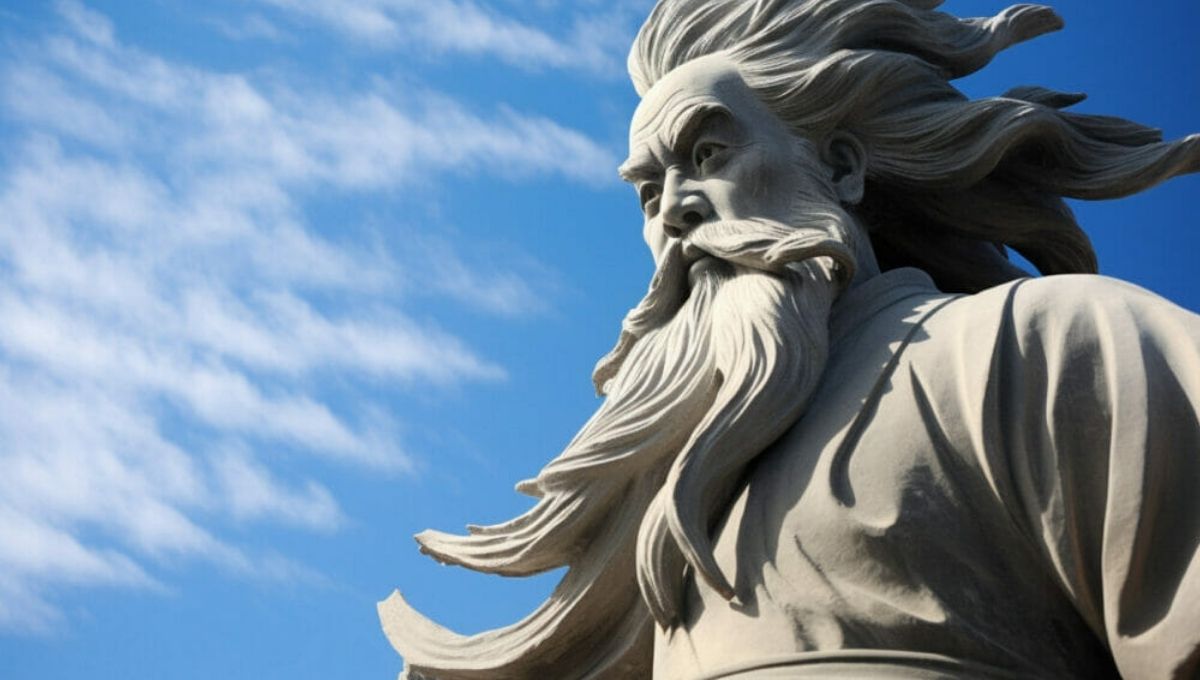
Wind, elusive and intangible, has long been revered as a symbol of movement, change, and the unseen energies that animate the world. Across history, it has embodied mystery and momentum—an invisible yet omnipresent force that shapes landscapes and souls alike. Wind suggests a connection between realms, whispering truths from one plane to another. It is the breath of the cosmos, both gentle and tumultuous, guiding transformation without form.
Types of Wind and What They Symbolize
Winds differ not only in direction and strength but in their symbolic resonance. A soft breeze may signify tenderness, the beginning of something delicate and new. The howling gale, by contrast, represents upheaval—both destructive and cleansing. Eastern winds often symbolize renewal, while western winds hint at endings or the passage of time. Northern winds are frequently linked to wisdom and stillness; southern winds, to passion and vitality. Each current carries metaphoric weight, shaped by myth and geography.
How Different Cultures Interpret the Wind
Cultural interpretations of wind vary widely, yet share a common reverence. In some traditions, wind is a sacred messenger; in others, a harbinger of fate. Where one society might associate the wind with divine wrath, another might hear ancestral voices in its swirling call. From desert tribes who see the wind as a force of life and death to island cultures who interpret its direction as prophecy, wind embodies both context and mystery.
Wind Symbolism in Today’s World
In modern thought, wind retains its symbolic vitality. It represents freedom in literature and media, and inner change in psychological discourse. Urban dwellers may associate wind with escape from routine—an invitation to wander or reset. Environmentalism, too, imbues the wind with symbolic meaning, linking it to nature’s resilience and the power of renewable energy. Even in contemporary spiritual practices, wind is invoked in rituals to clear stagnant energies or invite transformation.
Significance of the Wind in Cultures Around the World
Across the globe, wind continues to occupy a sacred or symbolic role. In Japanese Shinto practices, wind kami are deities of movement and unseen power. In African traditions, the wind is often a carrier of ancestral wisdom or spiritual intervention. In South American cultures, the Andes wind may be believed to carry healing or messages from the mountain spirits. Despite geographic distances, humanity shares a near-universal awe of the wind’s intangible potency.
Most Common Meanings Behind Wind Symbolism
Freedom and Independence
Wind defies control. Its uncontainable essence symbolizes liberation and the human desire to transcend boundaries—both physical and psychological. To feel the wind is to be reminded of sovereignty.
Renewal and Rebirth
Just as wind clears away dust and decay, it signifies the purging of old energy to make space for new life. This symbolism appears in seasonal shifts and spiritual awakenings alike.
Travel and Exploration

Winds have propelled ships, guided birds, and whispered through mountain passes for millennia. They are metaphors for journeys, urging both physical travel and inner exploration.
Communication
Ancient peoples often believed wind carried voices—from spirits, gods, or distant lands. Symbolically, it remains associated with intuitive messages, whispers of the unseen, and the transfer of wisdom.
Life Force
In many languages, the word for wind is etymologically linked to breath or soul (e.g., “pneuma,” “prana,” “ruach”). Wind thus signifies the essence of life itself—the vital force that animates existence.
Harmony
The wind’s dance with trees and waves suggests unity. It is a reminder of nature’s interconnected rhythms, where elements interact without force yet with deep cohesion.
Spiritual Guidance
Wind is often seen as a guide between worlds—physical and spiritual. It signals divine intervention, guiding lost travelers and uncertain souls toward clarity.
Unseen Forces
What cannot be seen but can be felt—wind mirrors the hidden influences that shape our paths. It evokes the mystical, the invisible hand of fate or emotion.
Destruction
When unbridled, wind becomes a force of devastation. Tornadoes, hurricanes, and gales all represent chaos unleashed—reminding us of nature’s indifference and power.
Creativity
Wind stirs movement and change—two ingredients essential to creativity. Like inspiration, it arises suddenly, shifts direction, and cannot be pinned down.
Endurance
Though impermanent in presence, wind is eternal in existence. Its return is assured, its power resilient. This cyclical nature symbolizes quiet perseverance.
Chaos
Wild, directionless wind suggests turmoil. It represents emotional storms, confusion, and situations beyond control—a symbol of life’s unpredictable nature.
Serenity and Calmness
A soft breeze offers solace. It soothes, cools, and comforts. Symbolically, it is the hush after the storm, the quietude that fosters peace.
Intuition
Like a hunch or subtle knowing, wind often precedes change. It is a metaphor for the inner voice—a gentle nudge from the subconscious or the divine.
Temporal Nature of Existence
Wind reminds us that everything is fleeting. It moves through space, leaves no permanent trace, and yet changes everything in its wake. Life, too, is passing.
Interconnectedness

Wind connects regions, climates, and ecologies. It serves as a metaphor for the invisible threads linking all beings and systems in a shared global dance.
Emotional Connection
Wind evokes mood: melancholy, longing, excitement. It is the atmosphere made tangible—a reflection of inner emotional weather.
Wind Symbolism in Native American Culture
In Native American traditions, wind is sacred and multi-dimensional. Among the Lakota, the wind is the breath of the Great Spirit. Navajo culture speaks of wind as a vital force that enters the body and animates it. Winds from each cardinal direction carry specific powers—guidance, healing, transformation, or protection. Rituals and stories weave wind as a central character, both a deliverer and destroyer, always respected.
Wind Symbolism in Greek Mythology
Greek mythology abounds with wind deities. The Anemoi—Boreas (North), Notus (South), Eurus (East), and Zephyrus (West)—were powerful personifications of the four winds. Each governed weather, seasons, and fate. Zephyrus, for instance, was seen as the gentlest, heralding spring. Boreas, by contrast, was fierce and icy. Wind in Greek lore was divine, intentional, and often poetic in its influence on human lives.
Wind Symbolism in Chinese Philosophy
In Taoist and Confucian thought, wind embodies qi—the life energy that flows through all things. Feng (wind) in “feng shui” represents the invisible forces that move energy through environments. Balanced wind flow signifies harmony and health; chaotic wind indicates imbalance. Symbolically, wind bridges heaven and earth, moving with intention or discord based on the energies it channels.
Wind Symbolism in Christianity
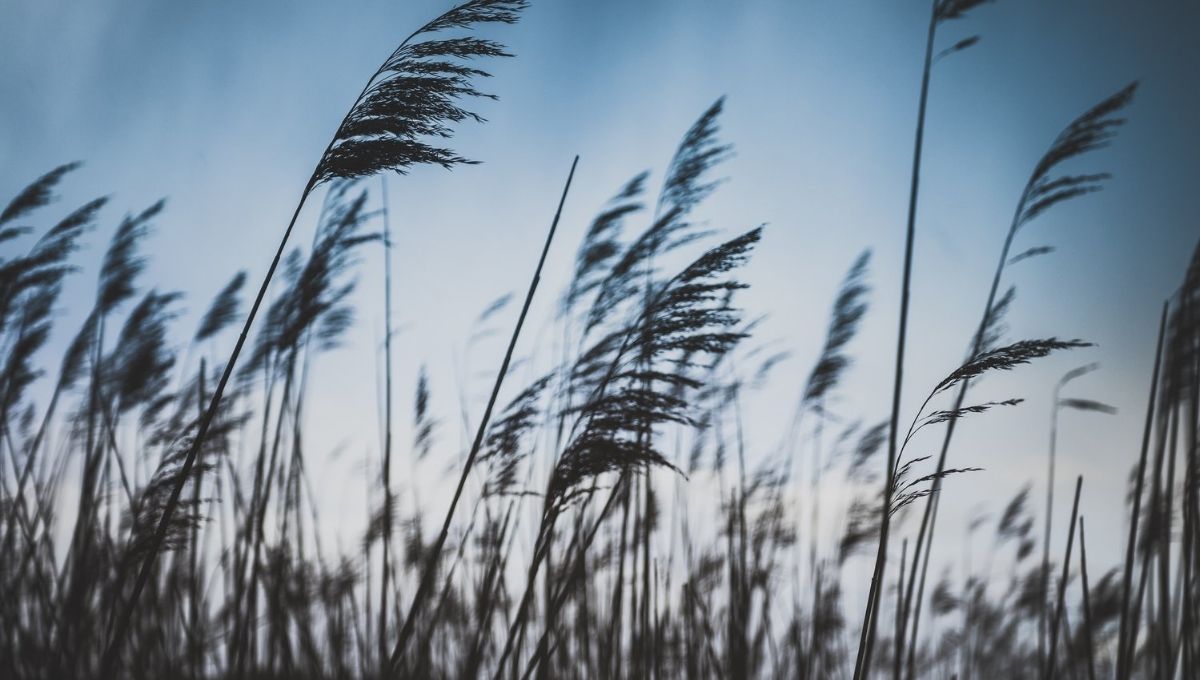
Biblical texts often associate wind with the Holy Spirit. In the Book of Acts, the descent of the Spirit is marked by a rushing mighty wind. Throughout scripture, wind signifies divine power, judgment, presence, and transformation. It acts as a messenger, delivering God’s will or enacting his wrath. The unseen nature of wind is likened to faith—felt but not seen.
Wind Symbolism in Norse Mythology
In Norse cosmology, wind arises from the breath of giants and gods alike. Odin, the all-father, is deeply connected with breath and wind, especially through his role as a seer and wanderer. Wind was also a tool of divine will—storms as signs of battle or wrath. It carried souls across realms and was often linked with fate, woven by the Norns and whispered by the winds of destiny.
Wild Hunt
A spectral procession seen in stormy skies, the Wild Hunt is a folkloric phenomenon tied to Northern European myth. Winds that rage at night were believed to carry the hunt’s ghostly riders, led by Odin or a forest god, gathering souls or omens. The wind here is both a medium and a harbinger, blending terror and majesty in its haunting gallop.
Summary: What Wind Symbolism Teaches Us
Wind, in its subtlety and strength, invites contemplation. It teaches impermanence, movement, and the power of the unseen. Across mythologies and belief systems, it embodies messages from gods, the breath of creation, the call of change. Whether as chaos or calm, inspiration or destruction, wind remains one of humanity’s most enduring metaphors—forever shifting, forever shaping the soul.
FAQs
1. What does wind symbolize in different cultures?
Wind symbolizes freedom, change, and spiritual connection across cultures. It can represent divine messages, ancestral voices, or natural balance depending on the tradition.
2. What is the spiritual meaning of wind?
Spiritually, wind is seen as a guide or messenger from the divine. It often symbolizes transformation, intuition, and the unseen energy that connects all life.
3. How is wind interpreted in mythology and religion?
In myths and religions, wind is often linked to gods, spirits, and fate. From Greek Anemoi to the Holy Spirit in Christianity, wind acts as a powerful, sacred force.
4. Why is wind associated with freedom and change?
Wind’s uncontrollable, moving nature makes it a natural metaphor for freedom, independence, and transformation. It inspires growth, exploration, and renewal.
5. What are the symbolic meanings of different types of wind?
A soft breeze may represent peace or new beginnings, while strong winds like storms symbolize upheaval, cleansing, or powerful emotional shifts.
Conclusion:
Wind symbolism transcends cultures and time, representing freedom, change, spiritual guidance, and life’s unseen forces. Whether calm or chaotic, it mirrors our inner and outer journeys. Understanding wind’s meaning helps us connect more deeply with nature, mythology, and ourselves, reminding us that even the invisible can leave a powerful impact.
Read More: