

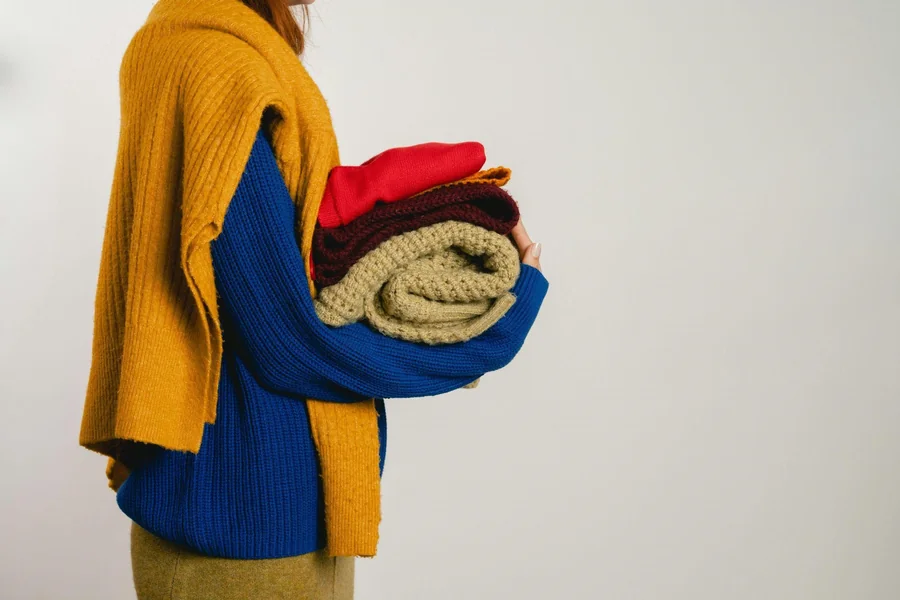
Women’s fashion has entered a new era, one driven less by fast-changing trends and more by thoughtful choices, comfort, and long-term value. As part of this shift, natural fibers have re-emerged as everyday essentials, offering a level of quality and versatility that synthetic materials rarely match. This renewed appreciation is easy to see in the rising popularity of classic staples such as a merino wool sweater for women, which blends softness, durability, and timeless design in a way that aligns perfectly with how women want to dress today. The return to natural fibers reflects not only aesthetic preferences but also deeper lifestyle priorities around wellbeing and sustainability.
The Desire for Clothing That Feels Good to Wear
One of the biggest drivers of this comeback is comfort. Not the temporary comfort achieved by ultra-soft synthetics, but the breathable, body-responsive comfort that natural fibers deliver. Fabrics like merino wool, cotton, linen, cashmere, and silk regulate temperature more effectively, allowing women to stay comfortable through changing climates and activity levels.
Merino wool, in particular, has become a standout because of its rare combination of softness, breathability, and adaptability. Unlike traditional wool, it doesn’t itch or feel heavy. It transitions easily from outdoor settings to overheated interiors, making it ideal for women who need a wardrobe that adjusts as quickly as their daily schedules.
In a world where people spend more time moving between environments, work, errands, social moments, remote tasks, clothing that manages comfort without constant adjustment has enormous appeal.
A Shift Toward Mindful, Sustainable Fashion
The resurgence of natural fibers is also closely tied to growing consumer awareness about sustainability. Many women are rethinking the environmental costs of synthetic clothing, which often involves petroleum-based materials, high energy consumption, and limited biodegradability. Natural fibers offer an alternative that feels both practical and responsible.
They last longer, maintain their structure through repeated wear, and biodegrade at the end of their lifespan. They also require less frequent washing due to their breathability and odor-resistant properties, particularly true for merino wool, reducing overall water and energy use.
Guidance from the U.S. Environmental Protection Agency highlights the importance of prolonging garment life and choosing durable, low-impact materials to reduce textile waste. This reinforces the growing shift toward natural fibers as foundational elements of a sustainable wardrobe.
As women become more conscious of their purchasing decisions, natural fibers provide a straightforward path toward more responsible fashion consumption.
The Appeal of Timeless Style Over Fast Trends
Fashion cycles have never moved faster, largely due to digital culture and rapid retail turnover. But this acceleration has also created fatigue. Many women now prefer clothing that feels timeless, pieces that can be worn year after year without appearing tied to a single season.
Natural fibers inherently support this desire for longevity. Their textures, drape, and classic silhouettes rarely fall out of favor. A merino wool sweater, a linen blouse, or a cotton knit dress can be styled countless ways across different seasons and occasions.
The comeback of natural fibers is, in many ways, a rejection of disposable fashion. Instead of buying items meant to be worn a handful of times, women are building wardrobes filled with garments that age gracefully and remain relevant.
Performance Qualities That Support a Modern Lifestyle
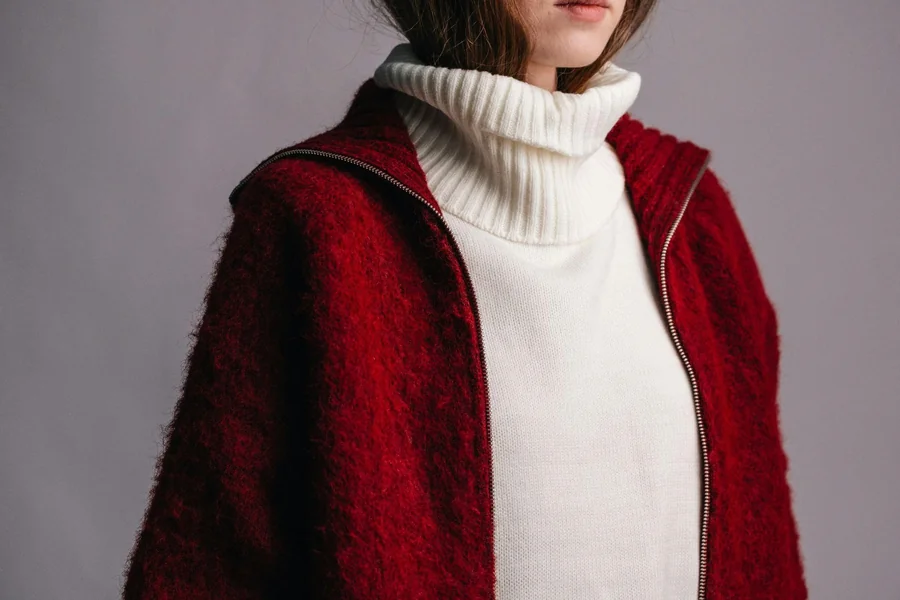
Another reason natural fibers are returning to the spotlight is their functional performance. Today’s women need clothing that transitions effortlessly between roles, professional, parental, active, social, often all within the same day.
Natural fibers support this flexibility far better than synthetics:
- Temperature regulation keeps the body comfortable indoors and outdoors.
- Moisture-wicking properties prevent overheating or discomfort during movement.
- Durability ensures garments withstand repeated wear and washing without losing shape.
- Odor resistance, especially in merino, reduces the need for constant laundering.
These qualities are not marketing claims, they are structural advantages inherent to natural fibers. And in daily life, they translate into fewer outfit changes, more predictable comfort, and clothing that maintains its integrity longer.
Texture, Warmth, and the Sensory Element of Dressing
Fashion isn’t only visual. It’s tactile, emotional, and sensory. Natural fibers offer depth and character through texture, soft wools, crisp linens, smooth silks, that cannot be authentically replicated with synthetic blends.
This sensory appeal matters. Women want clothing that feels luxurious against the skin, that moves naturally with the body, and that evokes comfort when worn. This emotional connection plays a growing role in buying decisions, especially in a world where people increasingly prioritize experiences and wellbeing.
A merino wool sweater, for example, becomes more than a garment. It becomes a repeating moment of softness and warmth, contributing to a sense of ease throughout the day.
Why Natural Fibers Support Wardrobes That Last
As more women curate intentional wardrobes, natural fibers have become essential building blocks. They support the principles of longevity, versatility, and personal expression. They can be layered, dressed up or down, and paired seamlessly with both casual and refined pieces.
A sweater in merino wool remains a staple not only because it looks classic, but because it performs consistently year after year. Natural fibers develop character over time rather than breaking down. Their aging process is graceful rather than disposable.
This durability aligns with the broader movement toward investing in fewer, better items, a shift that values emotional satisfaction, financial wisdom, and environmental consideration.
A Return to Authenticity in Dressing
Ultimately, the comeback of natural fibers reflects a desire for authenticity. In a world saturated with synthetic fast fashion, women are drawn to materials that feel grounded, real, and enduring. Clothing made from natural fibers supports personal expression without noise. It complements the rhythms of daily life rather than complicating them.
As women continue to refine their wardrobes with intention, natural fibers will remain central, offering comfort, longevity, sustainability, and a quiet elegance that never goes out of style.