
Understanding Forgiveness: What It Means and Why It Matters
Forgiveness is more than a moral virtue or an act of goodwill—it is an intricate emotional and psychological release. It allows an individual to sever ties with resentment, guilt, and emotional wounds, often without erasing the memory of the offense.
In many traditions, forgiveness is seen as a rebirth—a conscious decision to move forward untethered by past pain. Whether granted to oneself or others, forgiveness fosters healing, reclaims inner peace, and mends broken bonds. It restores dignity not just to the wronged but also to the wrongdoer, affirming our shared humanity.
The Power of Forgiveness: Surprising Stats and Scientific Insights
Recent psychological research reveals that forgiving others can have tangible health benefits. Studies show that individuals who practice forgiveness report lower blood pressure, reduced stress levels, and even stronger immune systems.
According to data from the Mayo Clinic, people who forgive tend to have healthier relationships, lower levels of anxiety, and improved heart health.
Moreover, neuroscience points to changes in brain function—engaging regions responsible for empathy and emotional regulation—when individuals embrace forgiveness. In essence, forgiving isn’t just noble; it’s neurologically and physically transformative.
What Is the Ultimate Symbol of Forgiveness?
While cultures differ vastly, many converge on a single truth: symbols help externalize the abstract. The ultimate symbol of forgiveness varies based on tradition and belief, yet it always represents release, reconciliation, and renewal.
From the graceful flight of a white dove to the simplicity of an extended hand, these symbols speak across languages. There isn’t a singular universal symbol, but rather a tapestry of meaningful representations—all echoing the profound human need to let go and begin anew.
White Dove
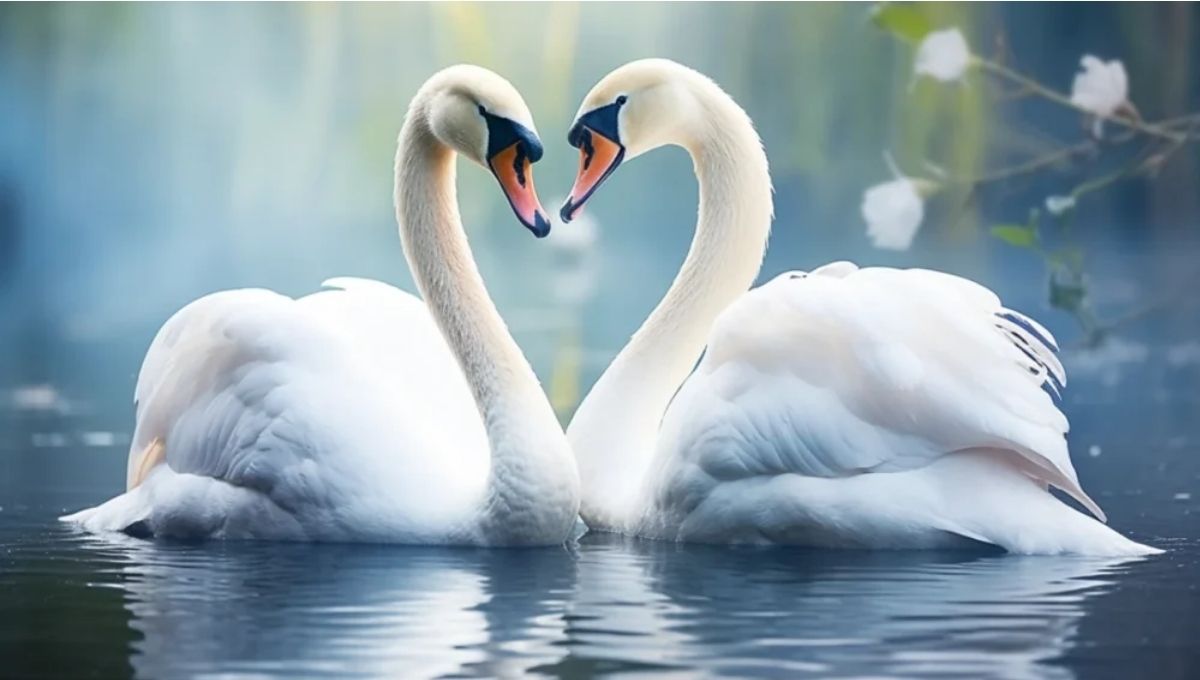
A timeless emblem of peace and purity, the white dove glides effortlessly into the symbolic realm of forgiveness. Its feathers evoke softness; its flight, freedom.
In Christian and post-war iconography alike, the dove symbolizes divine pardon and fresh beginnings. To release a dove is to release grievance, to unshackle the heart from bitterness and vengeance.
Olive Branch
Tracing back to ancient Greece and the biblical flood narrative, the olive branch has long served as a declaration of peace and reconciliation. To extend an olive branch is to seek truce without words—a silent but profound gesture of humility and hope. It signals the end of hostility and the emergence of goodwill.
Mpatapo
Rooted in the Akan culture of Ghana, the Mpatapo symbol is an Adinkra sign representing reconciliation, peacemaking, and forgiveness. Resembling a knot, it illustrates the complex yet binding nature of mended relationships. Mpatapo is a visual reminder that forgiveness is not the erasure of history, but the weaving of new bonds through understanding.
Goddess Clementia

In Roman mythology, Clementia was the goddess of mercy, leniency, and forgiveness. Her very name evokes compassion. Revered especially by emperors who sought to present themselves as benevolent rulers, Clementia embodies the concept of justice softened by grace. Her presence in art and literature reminds us that mercy is a divine force capable of dissolving wrath.
Heart
The heart, a universal symbol of emotion and vulnerability, also encapsulates the essence of forgiveness. A heart opened is a heart exposed—willing to feel, to hurt, and to heal. It symbolizes love overcoming pride, connection triumphing over division. To forgive from the heart is to relinquish the ego and embrace compassion in its rawest form.
Hug
A hug compresses silence into warmth. In countless cultures, an embrace is the climax of forgiveness, where tension collapses and affection returns. Physical yet deeply emotional, a hug communicates acceptance, apology, and the end of emotional estrangement. It is a tactile surrender to reconciliation.
Handshake
Long a gesture of agreement and trust, the handshake carries within it a symbolic nod to forgiveness. Historically used to show that neither party held a weapon, it now functions as a modern-day peace offering. A firm grasp speaks of moving forward, a compact of mutual respect restored.
Lotus Flower
In Eastern traditions, particularly Buddhism and Hinduism, the lotus flower represents purity rising from murky waters. Its petals unfold with grace, mirroring the process of spiritual awakening and the decision to forgive. To forgive, like the lotus, is to emerge unstained from turmoil, offering beauty where there was once pain.
Water
Water cleanses, quenches, and renews. Symbolically, it washes away the remnants of past transgressions. In rituals across cultures—from Christian baptisms to Hindu ablutions—water serves as the ultimate purifier, facilitating emotional rebirth. Forgiveness, like water, flows freely when not obstructed by pride or fear.
Offering or Gifts
In many indigenous and Eastern traditions, an offering—be it flowers, food, or tokens—signifies repentance or reconciliation. The act of giving without demand is a gesture of sincerity and peace. Gifts act as conduits of remorse and acceptance, forging new relational paths from fractured ones.
Breath
Breath, often overlooked, is a subtle yet powerful symbol of life and presence. In practices like mindfulness and meditation, conscious breathing becomes a method of releasing anger and cultivating forgiveness. A deep breath taken in awareness can be the first step in letting go—exhaling resentment, inhaling peace.
Quilt/Patchwork
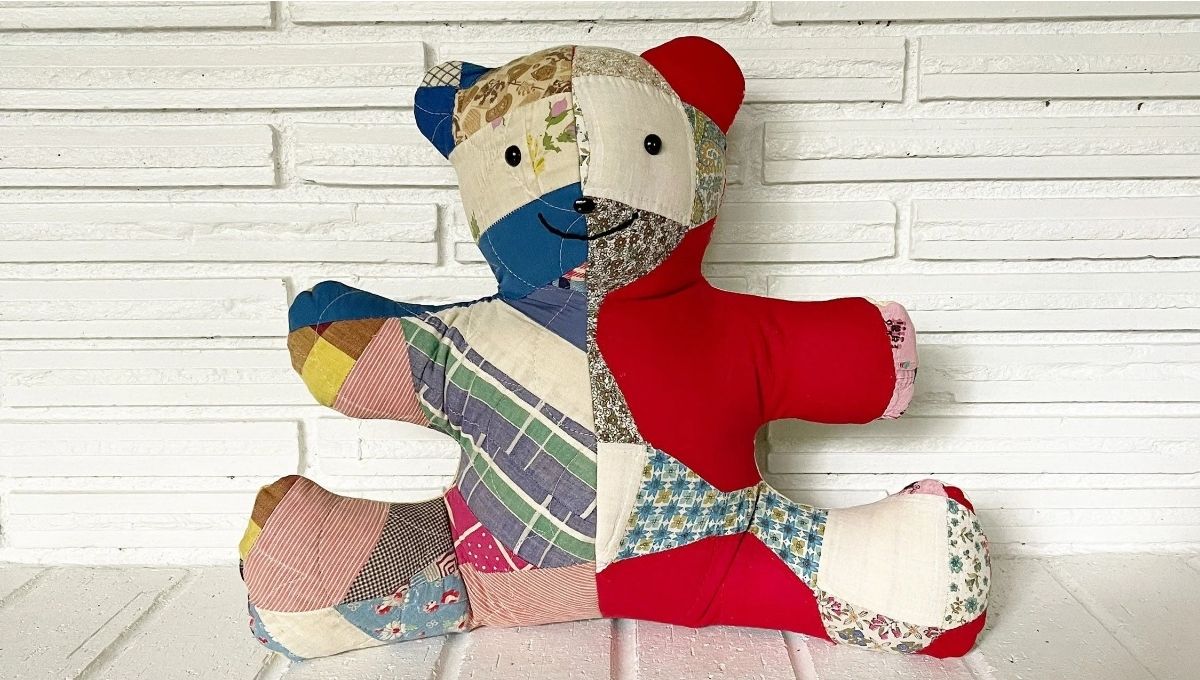
Quilts represent unity from brokenness. Each patch tells a story—some joyful, some painful—but together they form a cohesive whole. In forgiveness, this imagery resonates deeply: fractured pieces sewn together not to hide the scars, but to honor them. A quilt is a testament to the resilience of relationships repaired.
Prayer and Meditation
Forgiveness often begins in solitude, within the sanctuary of the mind and spirit. Through prayer and meditation, individuals confront their own hearts, surrender grievances, and seek higher guidance. These practices are vessels for spiritual forgiveness, empowering one to find grace both within and toward others.
Scales of Justice
Though seemingly rigid, the scales of justice can symbolize balance between retribution and mercy. True justice doesn’t always demand punishment—it can weigh in favor of compassion. Forgiveness, in this context, is not the absence of accountability but the equilibrium between consequence and grace.
FAQs
1. What is the most powerful symbol of forgiveness?
While there’s no universal symbol, the white dove is widely regarded as a powerful symbol of forgiveness, representing peace, purity, and emotional release.
2. How do different cultures represent forgiveness?
Cultures around the world use unique symbols of forgiveness like the olive branch (Greece), Mpatapo (Ghana), lotus flower (Asia), and gifts or offerings (Indigenous traditions) to express peace and reconciliation.
3. Can forgiveness improve mental and physical health?
Yes, scientific studies show that forgiving others reduces stress, lowers blood pressure, and boosts emotional well-being by activating empathy and emotional regulation centers in the brain.
4. What is the meaning of the olive branch in forgiveness?
The olive branch symbolizes a peaceful truce and the end of conflict. It’s a timeless gesture of humility, hope, and reconciliation rooted in biblical and Greek traditions.
5. How can prayer and meditation help with forgiveness?
Prayer and meditation foster inner reflection, helping individuals release anger, seek grace, and find emotional peace, making them powerful tools for spiritual forgiveness.
Conclusion:
Forgiveness is a powerful force for healing, peace, and renewal. These 15 cultural symbols of forgiveness offer meaningful ways to release resentment and embrace compassion. Whether through prayer, a dove, or a simple hug, each symbol reminds us that letting go can lead to emotional freedom and lasting inner peace.
Read More:
Sun in 1st House: In-depth Explanation (All Signs)
Symbols of Harmony in Arts and Culture
Phoenix Symbolism & Meaning: Ultimate Guide