

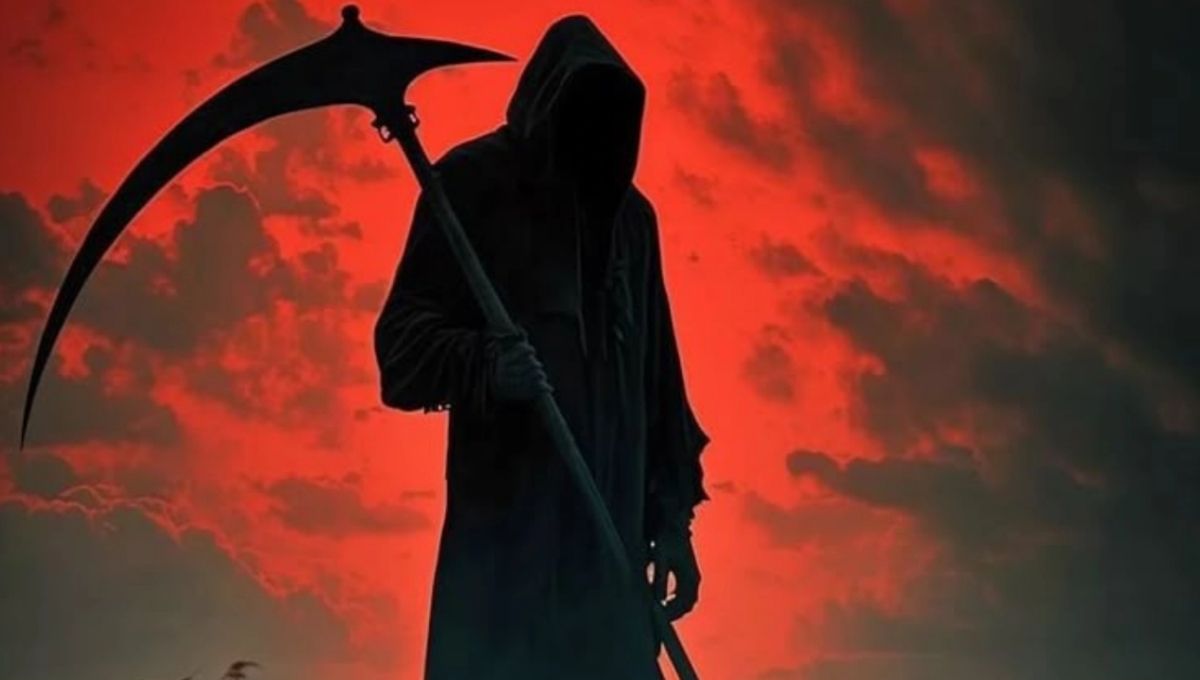
The Grim Reaper
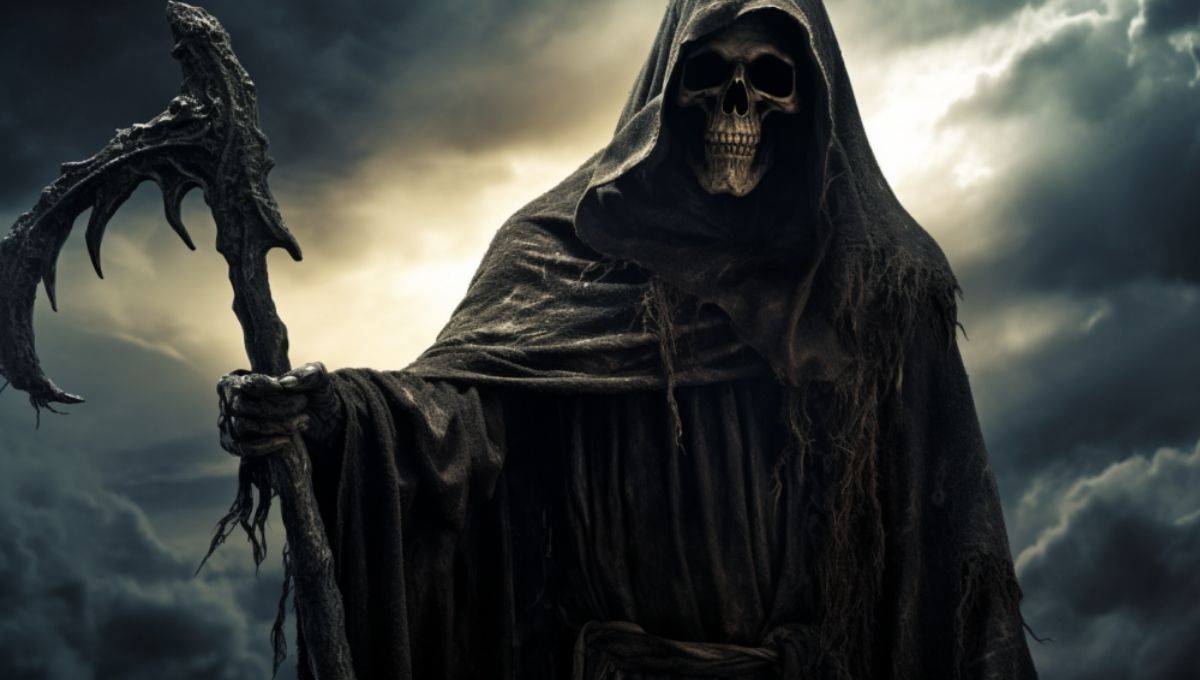
Cloaked in darkness and wielding a scythe, the Grim Reaper embodies the inevitability of mortality. This figure, feared yet respected, appears across cultures as the harbinger of the end. Its skeletal visage and patient presence remind humanity that no soul can escape the passage of time.
The Skull
The skull stands as one of the most enduring symbols of death. Stripped of flesh, it represents the raw essence of human fragility. In art and literature, the skull is a stark memento that beauty fades, but the reality of death endures.
The Hourglass: Time Running Out
The grains of sand falling through the hourglass whisper of life’s brevity. Once full, now dwindling, the hourglass warns that every moment counts. It captures the fragile balance between existence and expiration.
The Coffin
Encasing the body, the coffin is a vessel of final rest. Its presence speaks of endings and closure, a reminder that life’s journey concludes in silence. Symbolically, it is both a prison and a sanctuary for the departed.
Tombstone: Final Resting Symbol
The tombstone immortalizes a name long after the body has decayed. Etched in stone, it testifies to a life once lived. Standing tall in cemeteries, it anchors memory in the physical world while the soul journeys elsewhere.
The Vulture
Circling in the skies, the vulture watches patiently for death. A scavenger by nature, it transforms decay into sustenance. In symbolism, it embodies inevitability, renewal through destruction, and the cycle of life fed by death.
Skeleton: Reminder of Mortality
Bare bones echo life’s conclusion. Skeletons, though once hidden beneath flesh, emerge as haunting reminders of the structure left behind. They are a universal metaphor for death stripped of illusion.
Dead Tree: Nature’s Symbol of Death
A lifeless tree with barren branches evokes a sense of stillness and decay. Where once leaves rustled with vitality, now only silence remains. The dead tree mirrors human mortality in nature’s quiet decline.
The Black Cat
Mysterious and shadowy, the black cat carries an aura of foreboding. Linked with superstition and witchcraft, its appearance is often read as a sign of misfortune, darkness, or death’s silent approach.
Mourning Dove: Bird of Sorrow
Soft-voiced and gentle, the mourning dove laments with its mournful coo. Across cultures, it is seen as a bird of grief, symbolizing both farewell and the sadness of parting souls.
Owl: Messenger Between Worlds
The owl’s piercing gaze and nocturnal watchfulness mark it as a guardian of mysteries. In many traditions, it serves as a bridge between life and death, carrying messages from unseen realms.
The Bat
Emerging from caves at dusk, bats dwell in shadows. Their association with darkness and night makes them harbingers of death, mystery, and the unknown. They embody both fear and transformation.
Ouroboros: Cycle of Death and Rebirth
A serpent devouring its own tail, the Ouroboros represents eternity. Death folds into rebirth, endings fuel beginnings, and the eternal cycle spins on. It is death not as cessation, but as transformation.
The Noose
Simple and brutal, the noose signifies a swift and tragic end. It embodies execution, punishment, and despair. As a symbol, it speaks of mortality intertwined with fate and choice.
Cross: Death and Eternal Life
The cross, sacred in Christianity, holds the paradox of death and salvation. It recalls sacrifice, suffering, and crucifixion, yet also promises eternal life beyond the grave.
Extinguished Candle: Life Snuffed Out
The sudden flicker, the smoke rising—the candle extinguished mirrors life ending. Its flame stands for the soul, fragile and luminous, while its darkness represents mortality’s final breath.
Mirror: Gateway to the Spirit World
Mirrors have long been tied to the supernatural. In death symbolism, they are believed to reflect the soul, or even serve as portals for spirits. Covered in mourning rituals, mirrors protect the living from unseen realms.
Snake: Death and Transformation
Venomous and ancient, the snake embodies both danger and renewal. Its shedding skin recalls the death of the old self, while its presence in myths links it to mortality and resurrection alike.
Rotting Flesh: Decay and Mortality
The image of rotting flesh is a raw emblem of impermanence. It confronts the living with the certainty of decay, reminding all that beauty fades and matter returns to dust.
Blood
Blood stains, flows, and spills—signifying both life and its loss. In death symbolism, blood is a mark of violence, sacrifice, or the price of mortality.
Black Butterfly: Soul and Death Symbol
Delicate yet dark, the black butterfly represents the soul’s departure. In many cultures, its appearance foretells death or serves as a messenger from the departed.
Waning Moon: Symbol of Life’s End
As the moon shrinks and fades into darkness, it mirrors the waning of life. The waning moon symbolizes decline, closure, and the final stages before dissolution.
The Funeral
Somber and ceremonial, the funeral binds the living to the dead. It acknowledges loss, honors memory, and symbolizes the communal acceptance of mortality.
The Plague Doctor
With a beaked mask and eerie garb, the plague doctor became a symbol of death during Europe’s darkest epidemics. Today, the figure lingers as a haunting emblem of mortality’s reach.
Phoenix: Death and New Beginning
From ashes it rises, blazing anew. The phoenix embodies the paradox of death as transformation. It symbolizes the end that becomes a beginning, immortality through renewal.
Crows & Ravens: Messengers of Death
Dark-winged and ominous, crows and ravens carry the weight of prophecy. Their calls echo in silence, foretelling death and bridging the seen with the unseen.
Scythe: Tool of the Reaper
Sharp and curved, the scythe is the Grim Reaper’s chosen instrument. Once a tool for harvesting crops, it became the metaphor for harvesting lives.
The Color Black
Timeless and solemn, black drapes the rituals of mourning. It embodies the void, the unknown, and the silence of death.
Poppy Flower: Symbol of Sleep and Death
Delicate petals mask a deeper truth. Poppies, long linked with eternal sleep and remembrance, stand as quiet symbols of death’s peace.
Stairway to Heaven: Passage After Death
The stairway reaching skyward symbolizes transcendence. It envisions the soul’s journey beyond earthly existence, climbing toward light, eternity, and divine reunion.
Anubis: Egyptian God of Death
Jackal-headed Anubis guided souls through the underworld. A vigilant guardian, he weighed hearts against truth and determined the fate of spirits.
Cerberus: Guardian of the Underworld
Three-headed and ferocious, Cerberus stood at the gates of Hades. As myth tells, no soul could pass without his watch, making him a living boundary between life and death.
Death’s Head Moth
Its eerie skull-like marking gives the moth a chilling presence. Often seen as an omen, it drifts in the night as a subtle herald of mortality.
Yama: Hindu God of Death
Yama, the celestial judge, governs the afterlife in Hindu tradition. He holds the destiny of souls, deciding their next journey beyond death.
Wheel of Fate: Cycle of Life and Death
The wheel turns ceaselessly, carrying life into death and back again. It symbolizes inevitability, destiny, and the endless rotation of existence.
Death Tarot Card
In tarot, death does not always mean physical demise. It signals transformation, endings, and new beginnings—death as change, not annihilation.
Death Masks
Molded from the departed, death masks preserve faces beyond life. They stand as eerie relics, symbols of remembrance and mortality made tangible.
Funeral Pyre
Blazing into the sky, the funeral pyre consumes the body in flame. It symbolizes purification, release, and the soul’s ascent beyond earthly remains.
Banshee: Spirit Who Foretells Death
In Irish lore, the banshee’s wail echoes doom. A spectral woman weeping in the night, she warns of imminent death within families and clans.
Memento Mori: Reminder of Death
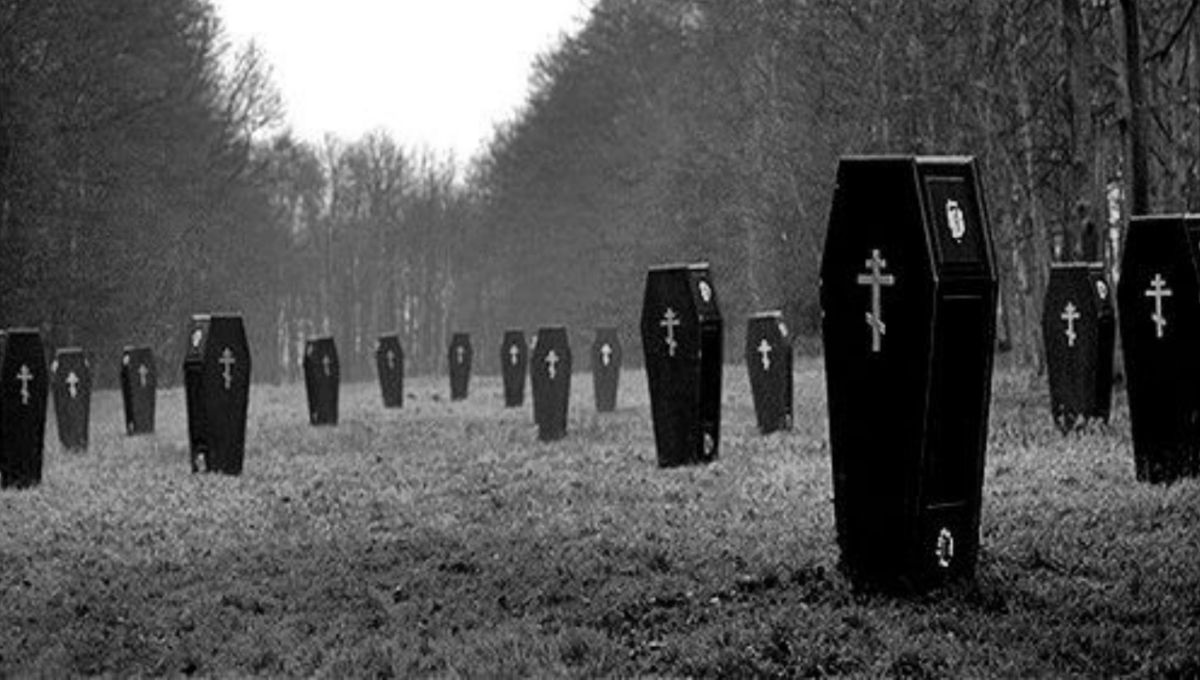
Latin for “remember you must die,” memento mori is a timeless warning. Through art, words, and objects, it instructs the living to embrace humility and live with mortality in mind.
FAQs
1. What is the most common symbol of death?
The skull is the most universal symbol of death, representing human fragility and the inevitability of mortality.
2. Why is the Grim Reaper associated with death?
The Grim Reaper, with his cloak and scythe, symbolizes the harvest of souls and the certainty that no life escapes death.
3. What does the hourglass symbolize in death?
The hourglass represents time running out, reminding us that life is short and every moment is precious.
4. Which animals are seen as symbols of death?
Owls, crows, ravens, bats, and vultures are often linked to death, acting as messengers or omens in many cultures.
5. What does Memento Mori mean?
Memento Mori is Latin for “remember you must die.” It’s a reminder to live with humility and awareness of mortality.
Conclusion:
Exploring these 40 symbols of death reveals how cultures view mortality, transformation, and remembrance. From the Grim Reaper to Memento Mori, each symbol reminds us of life’s fragility and the cycle of endings and beginnings. Understanding them helps us embrace mortality with wisdom, respect, and deeper spiritual meaning.
Read More: