


Summer has always carried many layers of meaning, weaving itself into story, memory, and art. The season stands as a mirror of life’s fullness, a chapter marked by warmth, strength, and change. From old myths to modern times, summer means more than just sunshine—it is a language of the heart.
Growth
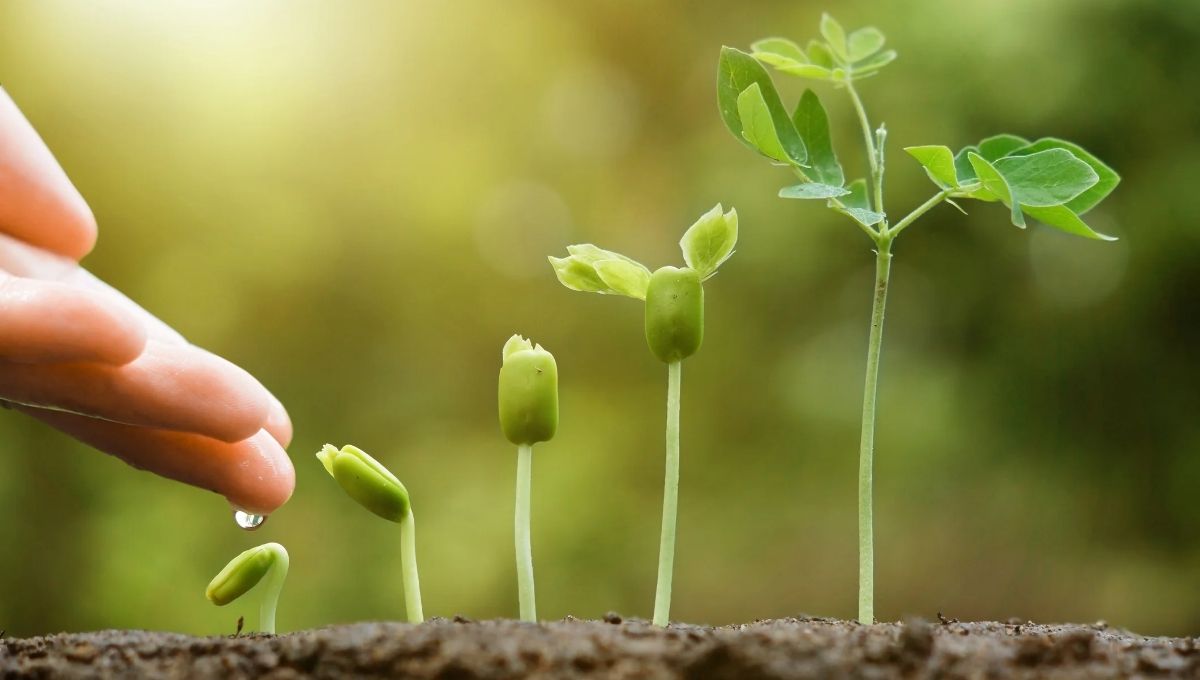
Summer is the season of thriving. Fields fill with crops, trees reach higher, and flowers open in bright colors. Growth here shows not only physical plenty but also personal progress. It is a time of learning, using chances, and going beyond limits.
Joy
The laughter of children playing in water, the smell of barbecues, and the easy rhythm of long evenings—all show summer as a sign of joy. The season brings happiness, reminding us to enjoy short-lived pleasures and dive into life’s simplest moments.
Energy
Summer shines with strength. The hot sun, longer days, and busy activities show a burst of energy. This meaning reflects power, drive, and push. It calls on people to use their strength, chase dreams, and step boldly toward their goals.
Freedom
With schools closed and holidays plenty, summer has long been linked to freedom. It is the season of open roads, barefoot walks, and ocean waves pulling one into release. In art and writing, summer often shows a break from rules, embracing play and the unknown.
Abundance

Fields heavy with grain, markets full of fruits, and communities gathering in harvest festivals—all show summer’s plenty. The season stands for wealth, sharing, and success. It reminds us that after patience and work, reward and food arrive in plenty.
Exploration
Summer invites exploring. Trips to new lands, walks through forests, and adventures under starry skies show curiosity. In meaning, it shows a search for finding—whether in place, mind, or spirit. The heat of summer pushes people beyond comfort into new paths of growth.
Nostalgia
For many, summer is filled with old memories. It recalls school breaks, endless games, and evening talks. Artists show this feeling in warm colors, while poets call it a golden memory. Summer reminds us that memories are both sweet and short, a treasure held in time.
Summer’s Heat and Dryness
While summer brings joy, it also carries force. The burning sun, dry earth, and hot winds show struggle and strength. This part of summer teaches patience and balance, showing how extremes shape both the land and the spirit.
Creativity
Bright colors, lively scenes, and joyful events make summer a source of creativity. Artists find ideas in its golden light; musicians in its beats; writers in its feeling of life. Summer shows the rich spark of imagination that grows when life itself feels alive.
Romance
Summer nights under stars, seaside walks, and short-lived summer loves have long tied the season to romance. It shows passion, desire, and the beauty of moments that do not last. The heat of summer love mirrors the season—fiery, unforgettable, and sometimes short, yet lasting in memory.
Summer in Greek Mythology: Myths and Symbolism
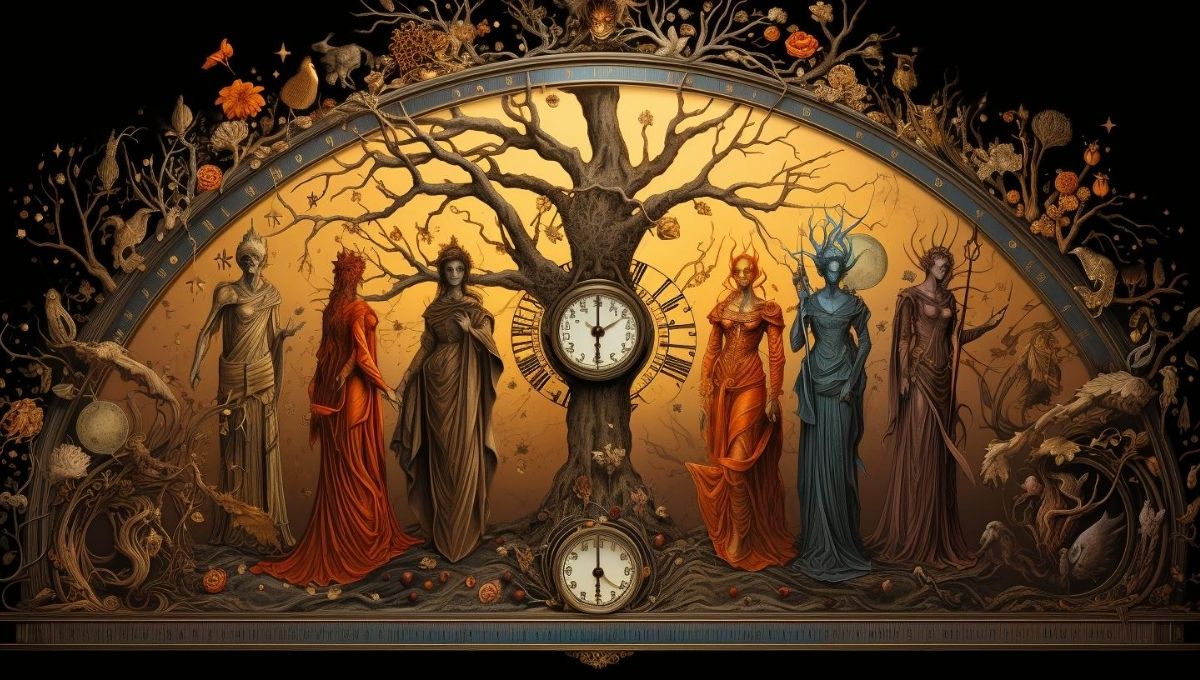
In Greek myths, summer was tied to Demeter, the goddess of farming. The story of Persephone going into the underworld and returning to earth explained the cycles of growth and rest. Summer showed fertility, plenty, and the joy of reunion. It was a holy reminder of renewal and the bond between life and the land.
Summer in Ancient Egyptian Beliefs and Myths
For the Egyptians, summer came with the yearly flooding of the Nile, which brought growth and wealth. The river’s rise showed life-giving plenty, holy renewal, and the kindness of their gods. Summer was a divine rhythm, ensuring survival and celebrating the lasting bond between nature and people.
Summer Symbolism in Japanese Culture and Traditions
In Japan, summer holds deep cultural meaning. Festivals with lanterns, fireworks, and dances show joy and unity. In meaning, summer stands for life and spiritual cleansing. The cicada, a common sign of summer, shows the weakness and beauty of life. In art and writing, the Japanese summer often shows both short happiness and quiet thought.
Common Symbols and Items Linked to Summer
Certain things are always tied to summer’s meaning: the sun, sunflowers, seashells, butterflies, and waves. These things bring life, warmth, and change. They act as clear signs of the season, reminding us of its return each year and its shared meaning in daily life.
Understanding the Costs of Hosting Special Events in Game Machines
When summer festivals and events appear in digital worlds, the season’s meaning moves into technology. Hosting special events in arcade or digital game machines often has high costs—care, power, and design. Yet these events copy real-life summer gatherings, showing community, joy, and shared fun in both physical and online spaces.
Ladybugs as Spiritual Messengers and Symbols of Angels

Ladybugs, often most active in summer’s warmth, carry deep spiritual meaning. Many believe they see them as holy messengers, bringers of luck and safety. Their soft flight and bright red shells link them to angel care and blessings. In summer’s wider meaning, they show hope, renewal, and gentle guidance.
FAQs
1. What does summer symbolize across cultures?
Summer symbolizes growth, joy, energy, freedom, abundance, exploration, nostalgia, creativity, and romance across different cultures. It represents life, warmth, and personal and natural renewal.
2. How is summer represented in Greek mythology?
In Greek mythology, summer is linked to Demeter, the goddess of farming. The story of Persephone’s return from the underworld explains the cycles of growth, fertility, and the joy of reunion.
3. What are common symbols associated with summer?
Common summer symbols include the sun, sunflowers, seashells, butterflies, waves, and festivals. They represent warmth, life, change, and shared cultural celebrations.
4. How do different cultures celebrate summer?
In Japan, summer is celebrated with lantern festivals, fireworks, dances, and the symbolic cicada. In Egypt, summer is tied to the Nile’s flooding, representing growth and wealth. These celebrations reflect joy, unity, and renewal.
5. What spiritual meaning does summer hold?
Summer carries spiritual meanings like hope, renewal, and guidance. Ladybugs, active in summer, are seen as angelic messengers, bringing luck, safety, and gentle blessings.
Conclusion:
Summer is more than sunshine—it symbolizes growth, joy, energy, freedom, and creativity across cultures. From Greek myths to Japanese festivals, the season inspires exploration, romance, and nostalgia. Summer’s symbols, like the sun, butterflies, and ladybugs, remind us of life’s warmth, abundance, and spiritual renewal, enriching both art and daily living.
Read More: