

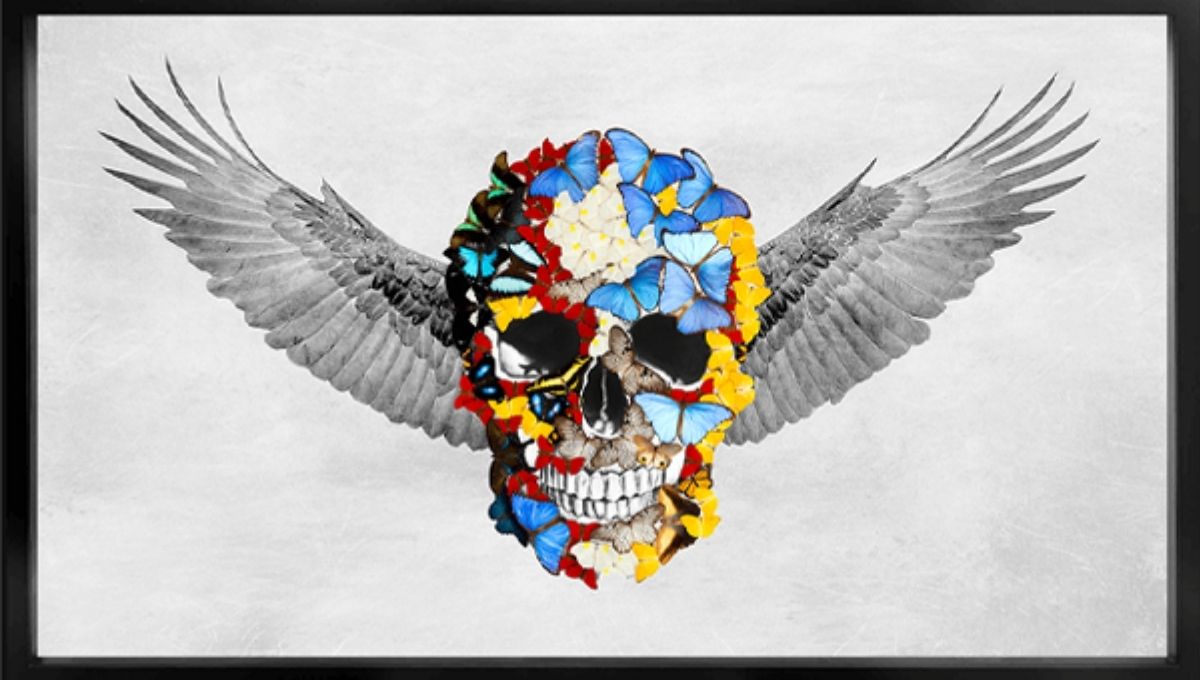
The human skull has long fascinated artists, philosophers, and cultures across the world. As a universal symbol, it has been etched into flags, painted in sacred rituals, worn as fashion, and typed out as emojis in digital conversations. Its meaning morphs through time and context—sometimes feared, sometimes revered. What begins as a symbol of death often becomes an emblem of power, rebellion, transformation, and even identity.
Skull Emoji Meaning: What It Says in Texts & Online
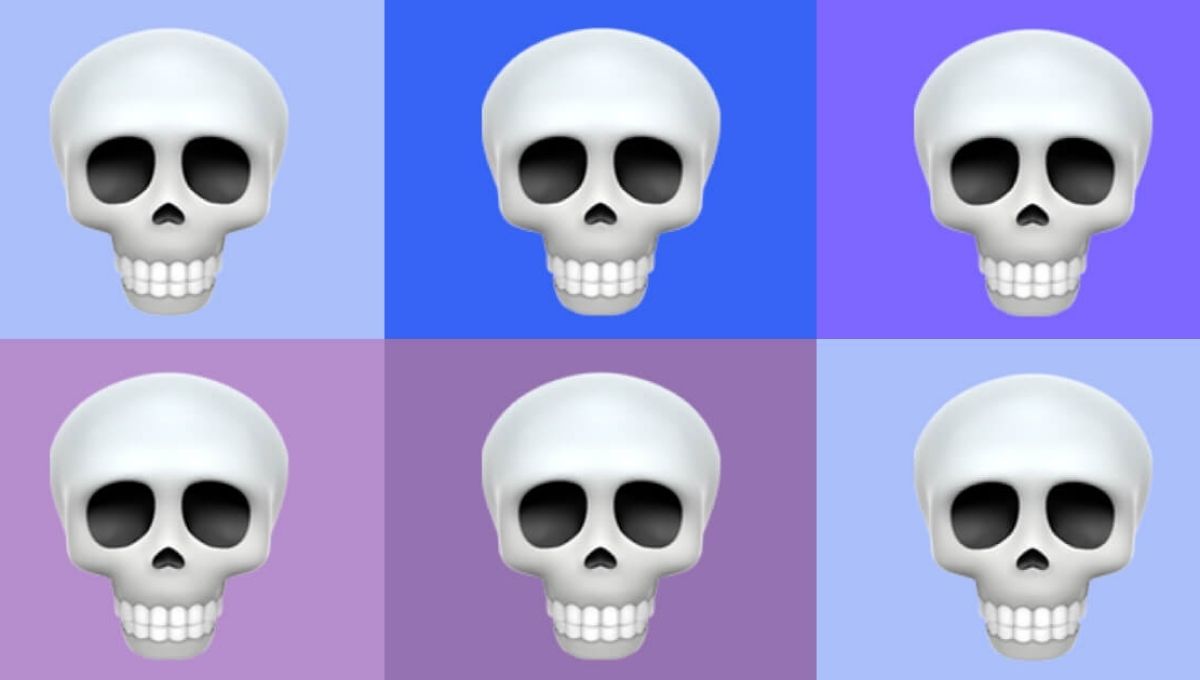
In the digital age, the emoji has evolved into something much more nuanced than its grim visage suggests. While it originally signified death or danger, modern usage has flipped the tone completely.
Today, the is often used to express extreme laughter, sarcastic self-deprecation, or dramatic emphasis, like “I’m dead” to mean “I’m laughing so hard.” It’s the Gen Z version of rolling on the floor. In texting culture, it’s less about mortality and more about mood. A single skull emoji can pack humor, irony, or intensity depending on who sends it and how. It’s a digital chameleon of emotion.
How Skulls Are Used in Political Messaging & Propaganda
Skulls have been wielded in politics as tools of both intimidation and ideology. Regimes throughout history have used the image of the skull to provoke fear—think of Nazi SS uniforms bearing skull insignias, or pirate flags (Jolly Roger) meant to terrify foes.
More recently, fringe groups or rebellious movements might use skulls to signal opposition to the status quo, embracing them as a motif of resistance. In propaganda, the skull acts as a psychological trigger, evoking mortality, urgency, and dominance. It’s a symbol that says: “We are not afraid to deal in death.”
What Skulls Symbolize in Men’s and Women’s Jewelry Today
In contemporary jewelry, skulls embody a complex blend of aesthetics and meaning. For men, skull motifs often evoke masculinity, toughness, and edge—a nod to biker culture or heavy metal fashion. In women’s jewelry, the same motif may symbolize mystery, confidence, or a flirtation with danger.
But beyond gender, the skull in modern accessories often represents fearlessness in the face of mortality. It tells the world that the wearer embraces life fully, even with the knowledge that it is fleeting.
How Skull Symbols Express Individuality and Personal Identity
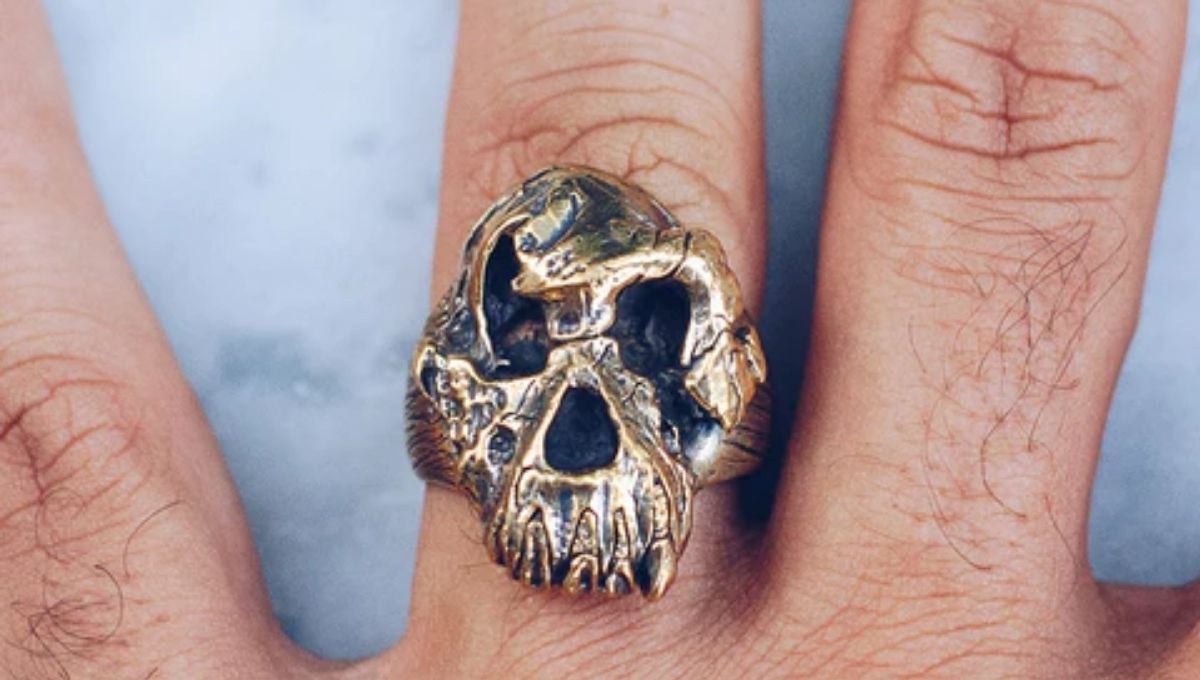
No two skull tattoos or skull rings carry the exact same message. The skull has become an intensely personal emblem, adapted by individuals to express unique philosophies. For some, it’s a symbol of surviving trauma; for others, a reminder to live authentically despite life’s impermanence.
Wearing a skull can be a silent manifesto—a declaration that one lives on their own terms. It distills the individual’s identity into a bold, timeless form.
Popular Skull Symbolism Around The World
From Mexico’s calaveras to Tibet’s skull cups used in ritual, skull symbolism permeates global cultures with varied connotations. In Europe, skulls often appear in vanitas art to remind viewers of the transience of life.
In India, the goddess Kali wears a garland of skulls, representing both destruction and rebirth. Each culture reframes the skull not just as a relic of death, but as a lens to interpret life, faith, and destiny.
Mortality
At its most primal, the skull is a stark reminder of mortality. It is the final form beneath all flesh, the common denominator of humanity. Artists, poets, and philosophers have long used the skull to meditate on life’s brevity. To stare at a skull is to confront the reality that no one escapes death—it equalizes kings and commoners alike.
Day of the Dead
In Mexico’s Día de los Muertos, skulls take on a joyous form. Colorful sugar skulls honor the deceased, celebrating their lives rather than mourning their absence.
Families decorate altars, cook traditional foods, and share stories—all centered around this vibrant depiction of the skull. Here, the skull isn’t ominous. It’s festive, loving, and intimately tied to ancestral memory.
Power
Throughout history, skulls have symbolized absolute power—the kind that rules over life and death. Warriors painted skulls on shields; conquerors placed enemy skulls on stakes. Even now, military units and elite groups use skull imagery to signal strength and fearlessness. It’s a symbol that says, “I hold dominion over danger.”
Secrecy
In secret societies or occult traditions, the skull may represent hidden knowledge. It evokes the veil between life and death, the known and the unknown. Freemasons, for instance, have used the skull as a reminder of sacred truths only revealed to the initiated. In this context, it becomes a cipher for mystery and exclusivity.
Transformation
The skull also marks metamorphosis. From shamanic rituals to modern storytelling, death often precedes transformation. The shedding of ego, fear, or even life itself can be symbolized by the skull. It’s not an end, but a beginning in disguise.
Rebellion
Punks, rockers, anarchists—rebellious spirits throughout time have embraced the skull as a sign of defiance. It breaks social norms, rejects conformity, and claims space outside the rules. It tells the world: “I won’t be tamed.”
Evil
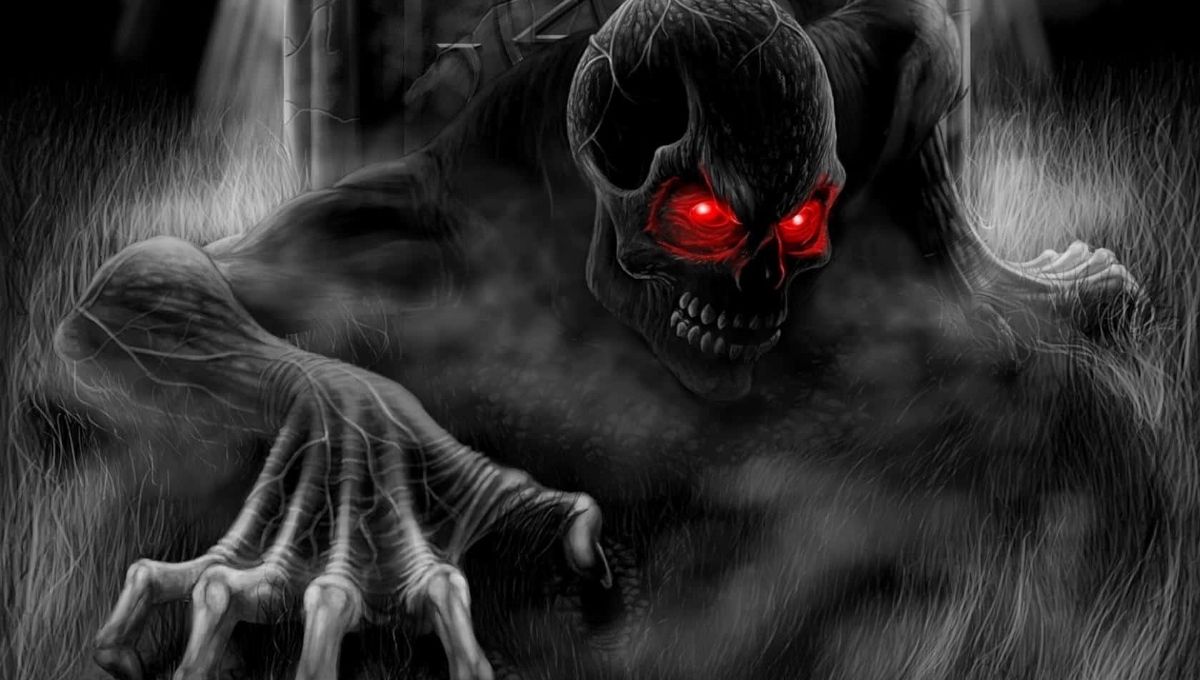
Not all skull symbolism is romanticized. In darker contexts, skulls remain symbols of evil, malevolence, or violence. Horror films, poison warnings, and tales of the macabre often place skulls at the center of their most sinister imagery. It is the face of fear itself.
Transience Of Life
The skull is a mirror held up to time. It speaks of life’s impermanence, whispering memento mori—remember you must die. Philosophers from the Stoics to Buddhist monks have used skulls to center their thoughts on what truly matters. It’s a call to live with urgency and intention.
Danger
On warning signs, chemical bottles, and pirate flags, skulls scream caution. They function as visual red alerts, encoding danger into a single unmistakable shape. It’s not just symbolic—it’s survival-oriented.
Skull Symbolism In Literature
From Hamlet’s soliloquy to gothic novels, the skull often acts as a literary device for pondering existence. Shakespeare used it to muse on death’s inevitability. In horror, it magnifies the grotesque. In thrillers, it foreshadows doom. In literature, the skull is never just a bone—it’s a story.
Skull Symbolism In Art
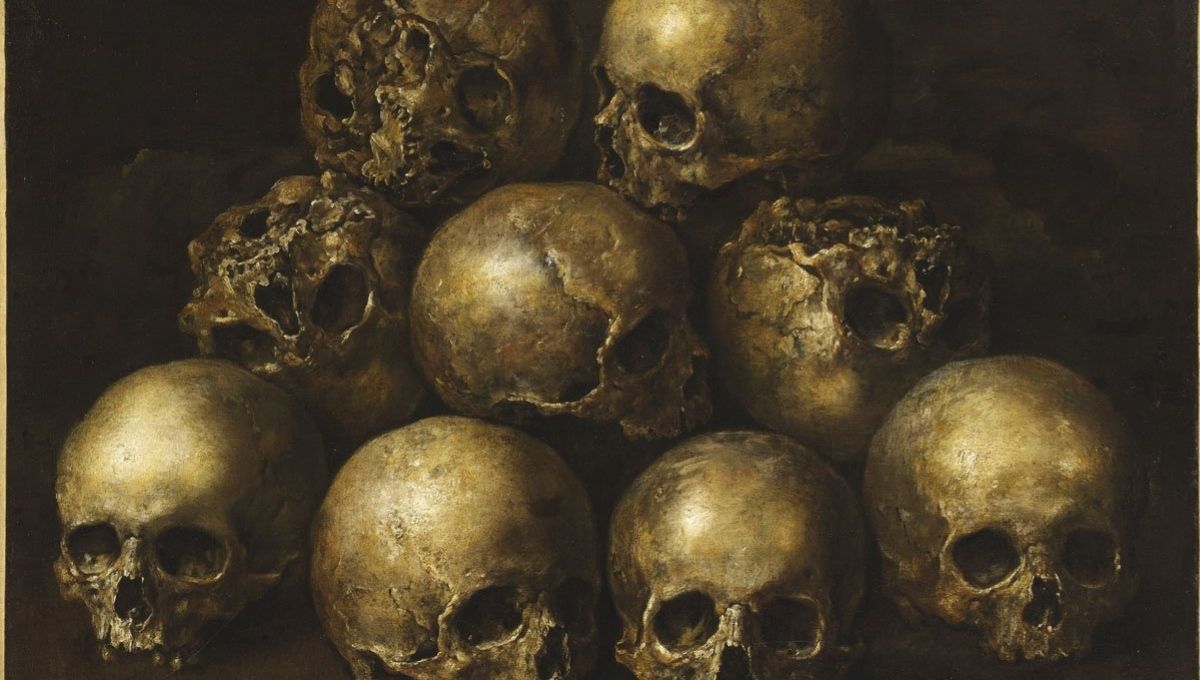
Artists across centuries have painted skulls to confront vanity, mortality, and time. In Renaissance still-lifes, skulls often accompany hourglasses and rotting fruit in the vanitas tradition. In modern art, skulls may critique capitalism, war, or even identity. It becomes both subject and symbol, rich with philosophical depth.
???????? Skulls In Mexican Cultures
In Mexican cultures, skulls are sacred and celebratory. Beyond Day of the Dead, they appear in folk art, murals, and jewelry. They symbolize connection with ancestors, acceptance of death, and the cyclical nature of life. They’re colorful, intricate, and spiritually significant.
The Evolving Meaning of Skull Jewelry
What was once feared is now fashionable. Skull jewelry has transitioned from a subcultural symbol to a mainstream trend. It’s no longer only for bikers or goths—it’s in luxury lines and everyday wear. But the meaning adapts with the times: strength, rebellion, wisdom, or style. Each wearer gives the skull new life.
Skull Symbols in Fashion and Subcultures
From punk jackets to haute couture, the skull is a fashion icon. Designers like Alexander McQueen have turned it into an artful motif, while underground scenes still use it to disrupt norms. It bridges worlds—mainstream and fringe, elegance and edge. In fashion, the skull doesn’t just decorate; it declares.
FAQs
1. What does the skull symbolize across cultures?
The skull symbolizes mortality, power, transformation, and identity in cultures worldwide—from sacred rituals to modern fashion.
2. What is the meaning of the skull emoji in texting?
In texts, the skull emoji often means extreme laughter, irony, or emotional intensity, not just death or danger.
3. Why are skulls used in political and propaganda imagery?
Skulls are used to evoke fear, dominance, and rebellion, often symbolizing death, resistance, or ideological power.
4. What does wearing skull jewelry represent today?
Skull jewelry reflects personal strength, fearlessness, and individuality, blending style with symbolic meaning across genders.
5. How do skulls express individuality and personal identity?
Skulls are deeply personal symbols, often representing survival, authenticity, or a bold rejection of societal norms.
Conclusion:
Skull symbolism reflects life, death, power, and identity across cultures, art, fashion, and digital expression. From sacred rituals to streetwear, the skull evolves while retaining its core message—mortality and meaning. Whether worn, drawn, or texted, it remains a bold reminder of who we are and what we face.
Read More: