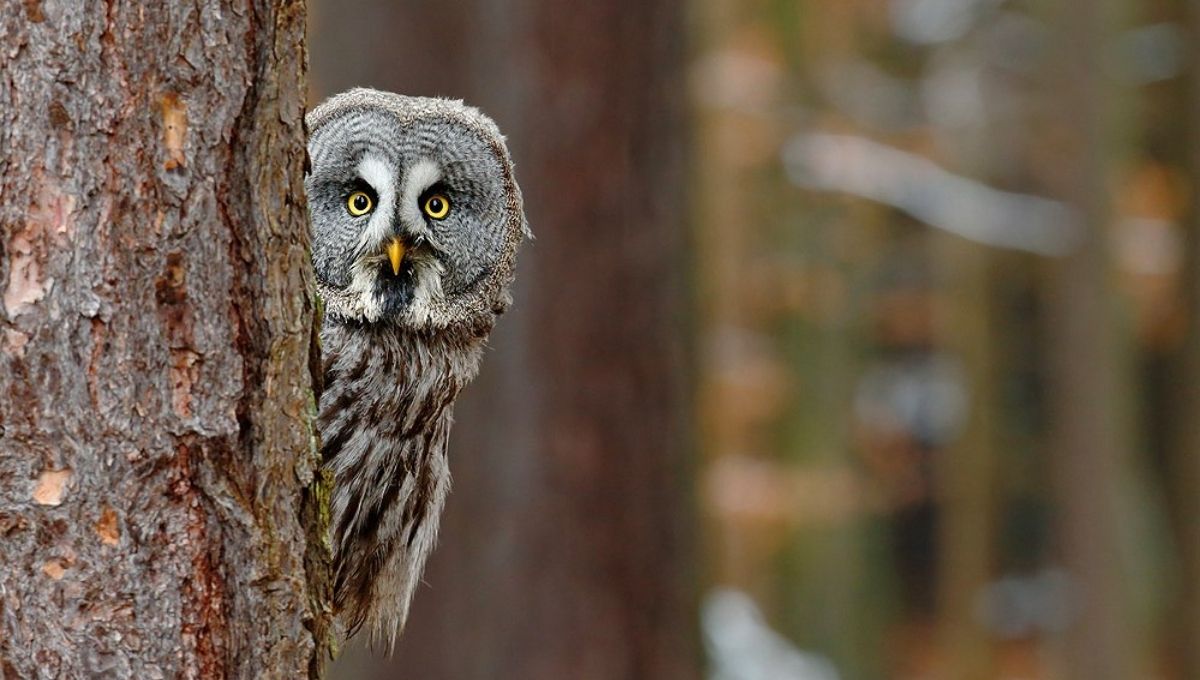

Across centuries and continents, the owl has fascinated human imagination. This night bird, covered in silence and mystery, has carried many meanings that change from one culture to another.
In some places, the owl is respected as a protector of wisdom and knowledge, while in others, it is feared as a sign of bad luck or death. Its spooky calls, sharp eyes, and ability to live in darkness have made it a symbol that crosses borders, showing both respect and fear.
The Meaning Behind the Owl Symbol
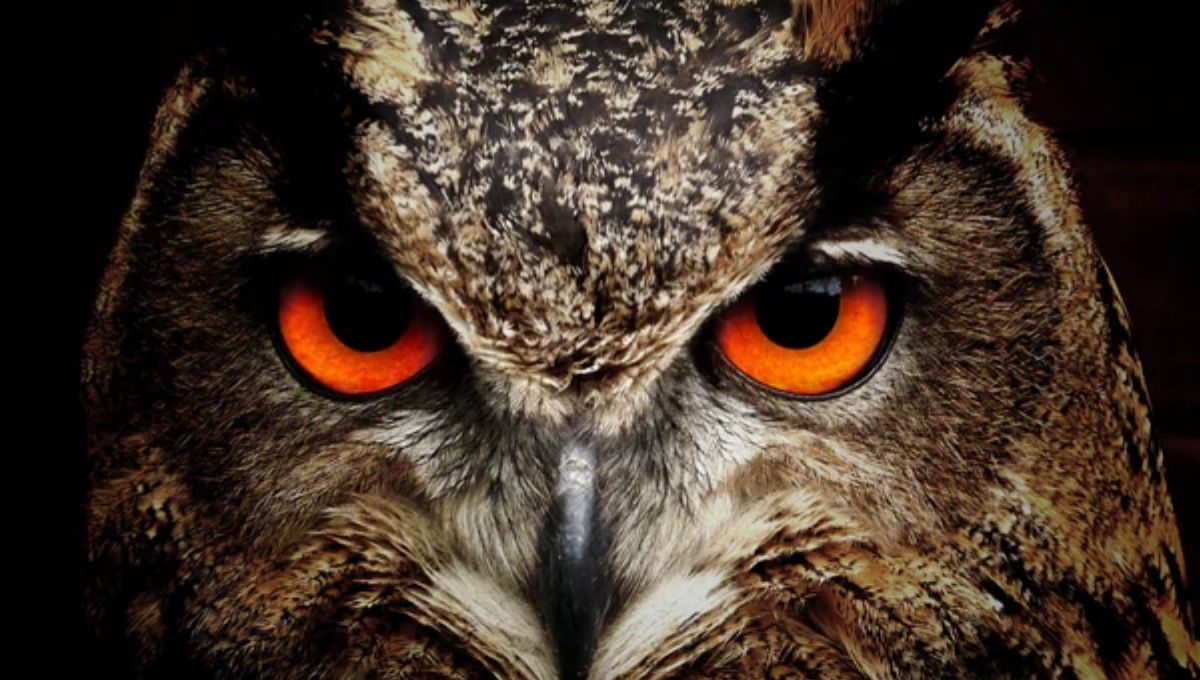
At its heart, the owl means more than just a bird of the night. It shows watchfulness, inner feeling, and the unseen parts of life.
With its ability to see in complete darkness, the owl has become a picture of inner vision and hidden knowledge. It reminds people to look deeper than appearances and search for truths beneath the surface.
What Owls Really Symbolize
Owls stand for opposites. They are birds of wisdom and mystery, but they also bring ideas of death and fear.
Their night lifestyle connects them to the unknown, to dreams, and to the inner mind. For many, the owl teaches patience, silence, and careful watching. It shows clarity in confusion, light in darkness, and the skill of noticing what others miss.
Owls as a Symbol of Death
In many cultures, the owl is strongly linked to death. Its strange hoots in the night have often been taken as signs of passing away. In old stories, the sight of an owl sitting nearby was sometimes thought to mean a death would soon happen in the family.
Yet, this link with death is not always negative. In some traditions, owls are seen as guides for souls traveling into the afterlife, helping move between the living and the spirit world.
Why Owls Are Seen as the Wisest Birds
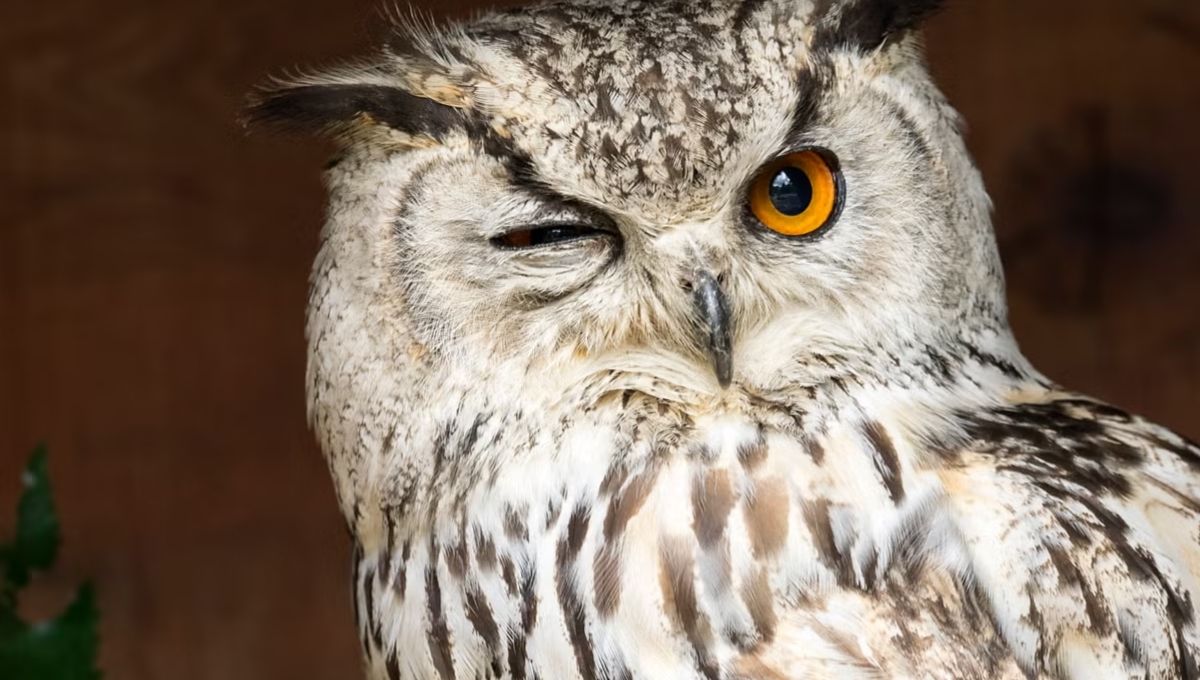
The owl’s sharp eyes and thoughtful look have long made it a symbol of wisdom. Unlike other birds, it does not rush or act without thinking. Its quiet presence and careful nature suggest intelligence and judgment.
Thinkers and learners across history have chosen the owl as their sign, honoring its link to deep thought, knowledge, and learning. Wisdom in the owl is not loud or proud—it is quiet, patient, and lasting.
Owls and Their Link to Magic and Wizardry
In stories and legends, owls have been tied to magic and the spirit world. Their night lives and strange calls made them perfect partners for witches, wizards, and shamans. In European stories, owls were often believed to carry messages between humans and the spirit world.
Their skill in flying through the night led to beliefs that they had magical powers, guiding spell users and fortune-tellers. Even today, in fantasy, owls still stand for magic, mystery, and hidden knowledge.
Owl Symbolism in Japanese Culture
In Japan, the owl has a very positive meaning. Called fukurō, the word itself can mean “luck” or “protection from problems,” depending on how it is written. Owls are often shown as bringers of good fortune, success, and happiness.
Many Japanese charms and decorations have owl designs, believed to keep away bad luck and bring blessings into the home. The bird is loved as a protective spirit, not feared.
Owl Symbolism in Chinese Culture: A Bird of Contradictions
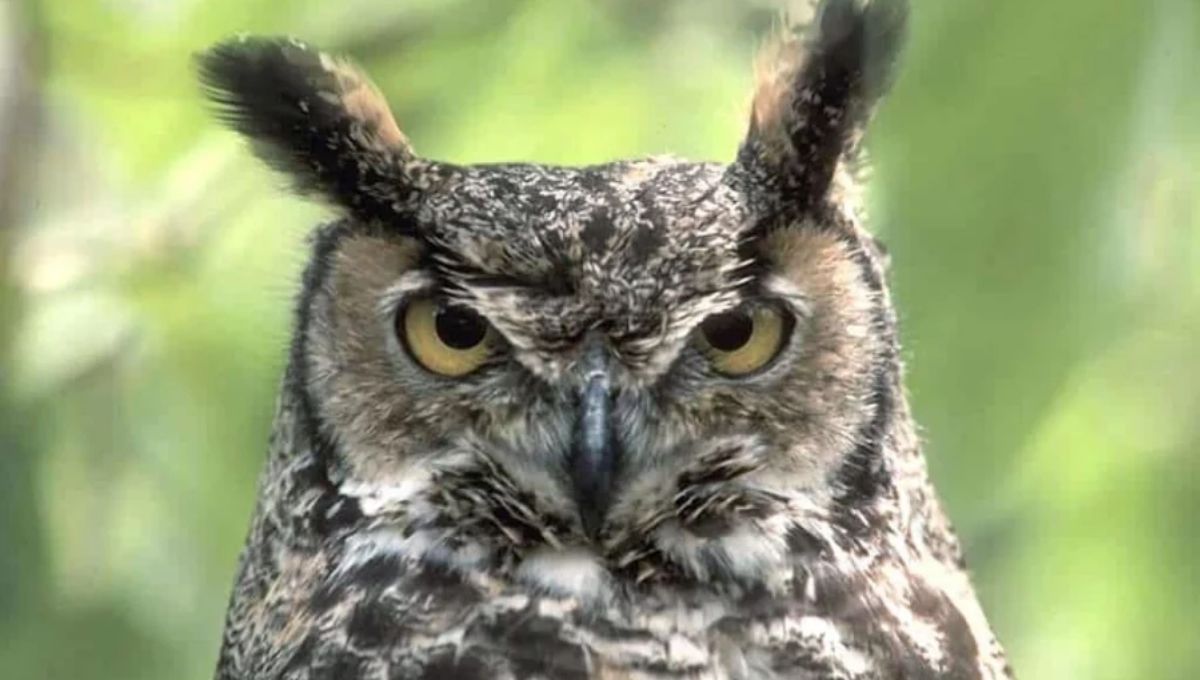
In Chinese belief, the owl shows both light and darkness. On one side, it is seen as a bird of bad luck, with its calls taken as signs of death or problems. On the other side, the owl also means strength, bravery, and safety from evil spirits.
This double meaning reflects the depth of Chinese thought, where symbols often have two sides that live together. The owl is both a warning and a protector, showing opposites at once.
Owl Symbolism in Ancient Greek Culture
To the ancient Greeks, the owl was holy. Linked to Athena, the goddess of wisdom and war, it became a respected sign of knowledge, reason, and watchfulness. The image of an owl was often placed on coins, showing wealth and learning.
In Greek stories, the sight of an owl during battle was seen as a sign of the gods’ support. For them, the owl was not a sign of doom but of wisdom and smart planning, a friend to both thinkers and fighters.
Owl Symbolism in Native American Beliefs
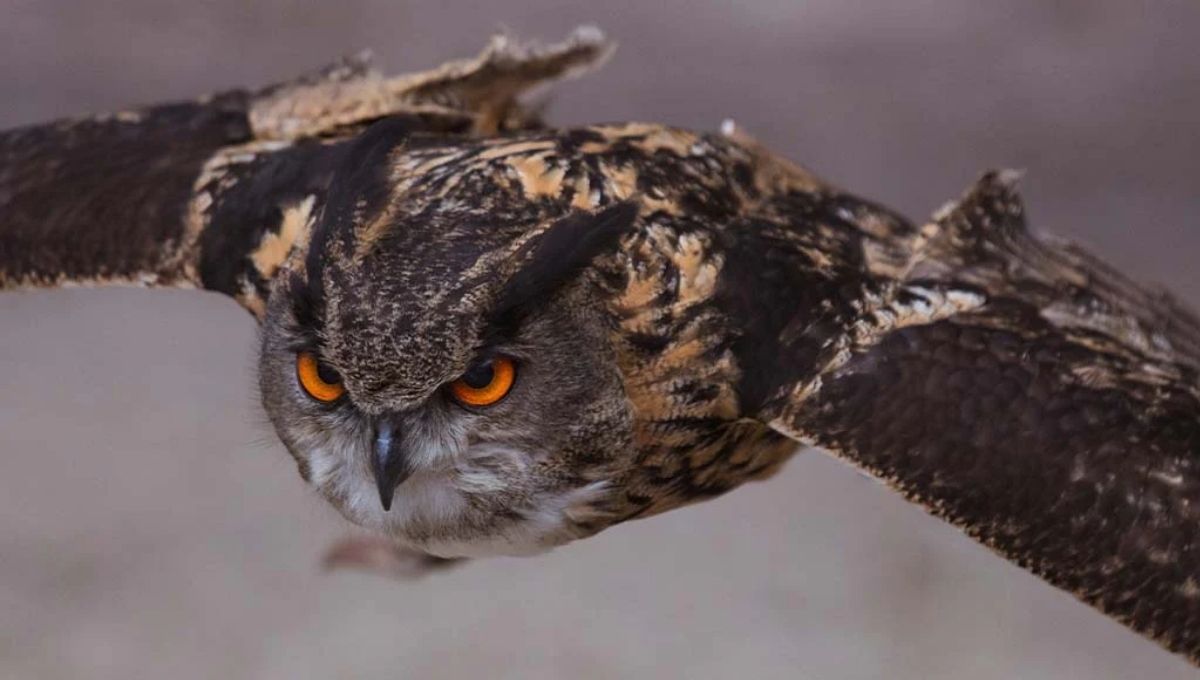
Among Native American tribes, owls hold many meanings, often tied to spiritual help. Some tribes see the owl as a messenger from ancestors or the spirit world, giving warnings or lessons. Others treat the owl with care, linking it to death and the supernatural.
Yet, some tribes honor the owl as a wise teacher and protector. In all views, the owl remains a strong spiritual sign, respected for its link to mysteries beyond the seen world.
FAQs
1. What does an owl symbolize spiritually?
Owls show wisdom, inner knowing, mystery, and the power to see beyond lies into deeper truths.
2. Why are owls linked to death in some cultures?
Many traditions see owls as signs of death, while others view them as guides for souls entering the afterlife.
3. How are owls connected to wisdom?
Owls mean wisdom because of their calm watching, sharp sight, and long connection to knowledge.
4. What is the meaning of owls in Japanese culture?
In Japan, owls are seen as lucky, meaning good fortune, safety, and happiness.
5. Do owls have magical symbolism?
Yes, owls are often tied to magic, seen as spirit guides between humans and the unseen world.
Conclusion:
Owls hold deep meaning across cultures, standing for wisdom, mystery, death, and safety. From Greek myths to Japanese luck and Native American beliefs, they remain spirit guides and powerful signs. Learning owl symbolism helps us connect with hidden truths, trust our inner knowing, and value their lasting role in human imagination.
Read More: