

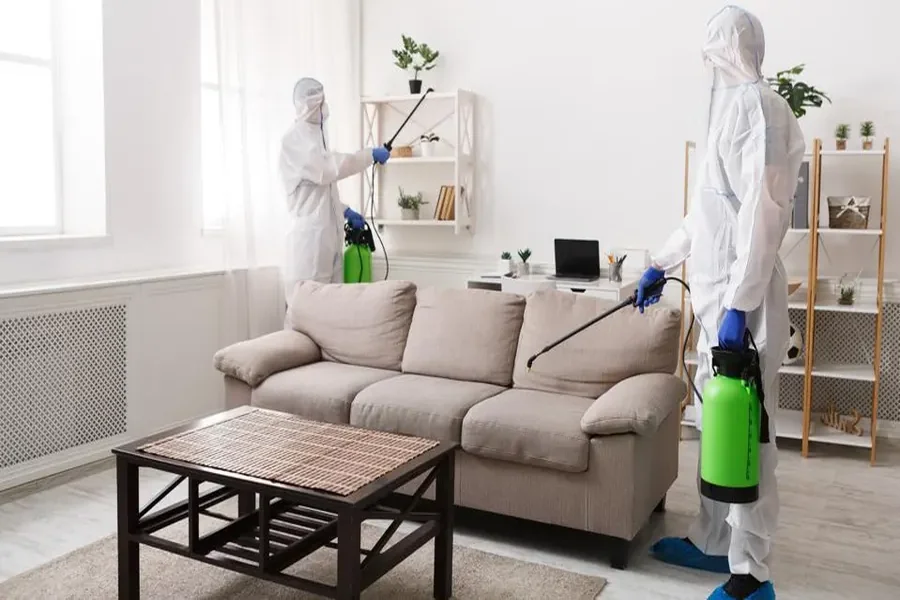
No homeowner wants to discover ants marching across the kitchen floor, mice in the attic, or termites silently damaging the structure of their home. Pests are more than just an inconvenience—they can contaminate food, spread bacteria, damage property, and create expensive repair bills if left untreated. Fortunately, preventing pests is often much easier and more affordable than eliminating an established infestation. By taking a proactive approach and maintaining your home both inside and out, you can significantly reduce the chances of unwanted pests moving in.
Seal Entry Points Around Your Home
One of the most effective ways to prevent pests is to stop them from getting inside in the first place. Many insects and rodents only need the smallest gaps to enter your home. Mice can squeeze through openings about the size of a dime, while ants and spiders can fit through tiny cracks that often go unnoticed.
Walk around the exterior of your home several times a year and inspect the foundation, siding, windows, doors, utility lines, vents, and roofline. Seal cracks with quality exterior caulk, replace damaged weather stripping around doors, and repair torn window screens. Larger gaps around pipes or vents can be sealed using steel wool and expanding foam to help deter rodents.
Creating a secure barrier around your home is one of the most important steps in long-term pest prevention.
Keep Your Kitchen Spotless
The kitchen is one of the most attractive areas for pests because it offers easy access to food and water. Even a few crumbs left on the floor or countertops can attract ants, cockroaches, and other insects.
Develop the habit of wiping down countertops after every meal, sweeping floors regularly, and cleaning beneath appliances where food debris tends to collect. Dirty dishes should not be left overnight, and food should always be stored in airtight containers. Pet food should also be removed before bedtime whenever possible.
By eliminating food sources, you make your home much less appealing to common household pests.
Eliminate Moisture Problems
Many pests thrive in damp conditions. Cockroaches, termites, mosquitoes, and silverfish are particularly attracted to moisture, making water control an essential part of home maintenance.
Repair leaking faucets, pipes, and roof leaks as soon as they are discovered. Keep gutters clean so rainwater flows away from your home’s foundation, and use a dehumidifier in damp basements or crawl spaces if necessary. Outdoors, empty containers that collect rainwater, including buckets, flower pots, birdbaths, and children’s toys.
Reducing excess moisture helps eliminate one of the key resources pests need to survive.
Maintain Your Landscaping
Your yard serves as the first line of defense against invading pests. Overgrown shrubs, tall grass, and tree branches touching your home provide insects and rodents with easy access.
Trim bushes and tree limbs so they remain several feet away from your home’s exterior. Mow the lawn regularly, remove piles of leaves, and clean up fallen fruit beneath trees. Firewood should always be stacked well away from the home and elevated off the ground to discourage termites, ants, and rodents.
A well-maintained landscape reduces the number of places where pests can hide before making their way indoors.
Store Food Correctly
Proper food storage extends beyond your refrigerator and kitchen cabinets. Dry foods stored in garages, pantries, or utility rooms can also attract insects and rodents.
Transfer flour, rice, sugar, cereal, pasta, pet food, and bird seed into sealed plastic or glass containers. Avoid storing food in opened cardboard packaging for long periods, and regularly inspect pantry shelves for signs of insects.
Keeping food properly sealed limits opportunities for pests to feed and reproduce.
Manage Trash Properly
Garbage is an irresistible food source for many pests, including flies, rodents, raccoons, and cockroaches.
Use garbage bins with tightly fitting lids, empty indoor trash frequently, and wash trash cans periodically to remove food residue and odors. Outdoor bins should be stored away from entryways whenever possible, and recycling containers should be rinsed before disposal.
Good waste management practices greatly reduce pest activity around your property.
Consider Additional Preventive Measures
Some homeowners choose to supplement good maintenance habits with additional deterrents. For example, some people use ultrasonic pest repellers as part of their overall pest management strategy, particularly in enclosed indoor spaces. While research on their effectiveness has produced mixed results and they should not be relied upon as a standalone solution, they may be used alongside proven prevention methods such as sealing entry points, maintaining cleanliness, and addressing moisture issues.
Combining multiple prevention strategies generally provides better results than relying on any single method.
Inspect Your Home Regularly
Routine inspections allow homeowners to catch small pest problems before they become major infestations.
Look for signs such as droppings, gnaw marks, shredded nesting materials, grease trails along walls, damaged food packaging, discarded insect wings, or unusual odors. Pay close attention to basements, attics, garages, crawl spaces, and utility rooms, where pests often remain hidden.
Early detection can save hundreds or even thousands of dollars in repair costs.
Reduce Household Clutter
Clutter provides countless hiding places for insects and rodents. Storage rooms filled with cardboard boxes, newspapers, clothing, or unused household items can quickly become nesting areas.
Instead of cardboard boxes, use plastic storage containers with secure lids. Organize storage spaces regularly and remove items you no longer need. Keeping your home neat makes it easier to spot early signs of pest activity and leaves fewer places for pests to hide.
Protect Your Home from Termites
Termites are among the most destructive pests homeowners face because they can cause significant structural damage before they are even detected.
Avoid stacking wood against your home’s exterior walls, repair water leaks promptly, and ensure soil does not come into direct contact with untreated wood. Regularly inspect decks, fences, and wooden support structures for signs of termite damage, such as mud tubes or hollow-sounding wood.
Scheduling professional termite inspections every few years is a worthwhile investment for many homeowners.
Know When to Call a Professional
Although many pest prevention tasks can be handled without professional assistance, some infestations require expert treatment.
If you continue seeing pests despite your prevention efforts, hear scratching sounds inside walls, notice termite damage, or discover signs of a growing rodent population, it’s time to contact a licensed pest control professional.
Professionals can accurately identify the pest, locate nesting areas, and apply treatments that are both safe and effective while helping prevent future infestations.
Seasonal Pest Prevention Tips
Different pests become active throughout the year, making seasonal maintenance an important part of prevention.
During spring, inspect your home’s exterior for winter damage, repair cracks, and check for termite activity. Summer is the ideal time to eliminate standing water, maintain landscaping, and ensure window screens remain in good condition. In the fall, seal entry points before temperatures drop and remove leaf piles that provide shelter for insects and rodents. During winter, inspect attics, garages, and basements for rodents seeking warmth and continue storing food securely.
Adjusting your maintenance routine with the seasons helps protect your home year-round.
Keeping pests away requires consistency rather than complicated solutions. By sealing entry points, maintaining a clean home, controlling moisture, managing waste, caring for your yard, and performing regular inspections, homeowners can prevent many pest problems before they begin.
No prevention plan can guarantee a completely pest-free home, but combining smart maintenance habits with early detection greatly reduces the risk of costly infestations. When necessary, professional pest control services can provide additional protection and peace of mind.
With a little routine care throughout the year, you can create a healthier, cleaner, and more comfortable living environment while keeping unwanted pests where they belong—outside.