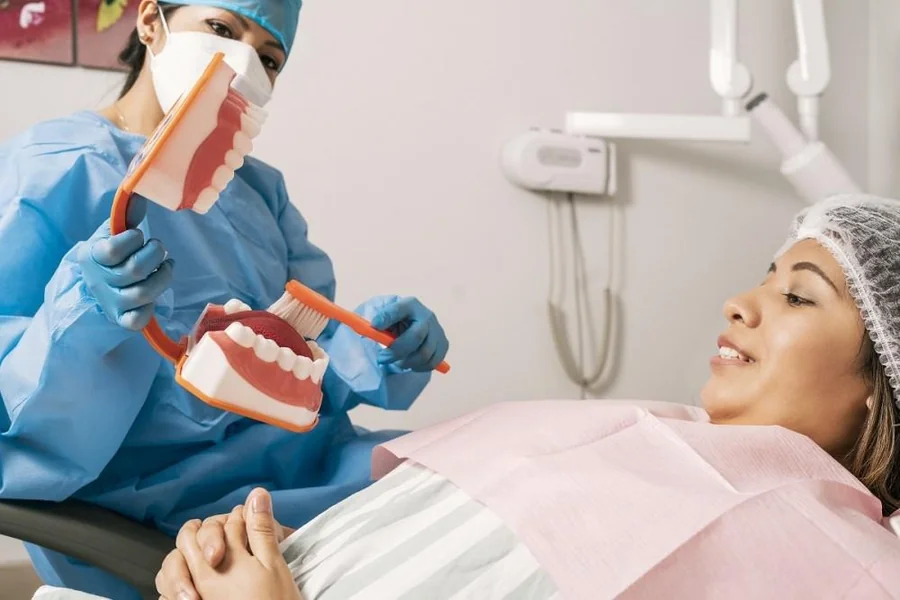

Getting to the dentist shouldn’t feel impossible, yet many struggle with access. In some areas, clinics are too far away, leaving gaps in preventive care like cleanings and check-ups.
This blog dives into how smarter location-based practices are solving these problems by bringing dental services closer to people who need them most. Keep reading to learn how better planning can make healthier smiles easier for everyone!
Key Takeaways
- Placing clinics in high-need areas reduces travel time. In North Carolina, 46 counties have only 1–1.9 dental practices per 1,000 kids under five, creating care gaps.
- Mobile clinics reach underserved communities. Programs like Delta Dental Mobile in South Dakota serve 6,250 children yearly since 2004.
- Schools and workplaces provide preventive dental care on-site. The SMILES Dental Project ensures kids get checkups at schools in Colorado without parents traveling far.
- Technology tools like GIS map underserved regions. They identify where more dentists are needed based on factors like child poverty rates and provider shortages.
- Tele-dentistry connects remote patients to care. Programs like Capitol Dental Care’s Virtual Homes help rural Americans access preventive services without long trips.
Geographic Proximity and Access to Preventive Dentistry
Living far from a dentist makes it harder to get regular checkups. Clinics closer to people can help stop problems like tooth decay before they start.
Reducing travel time with clinics in high-need areas
Placing dental clinics in areas with few services helps reduce travel time for patients. In North Carolina, 46 counties have only 1–1.9 dental practices per 1,000 children under five.
Families in these areas often face long drives to get oral health care. For many low-income families, this can delay or prevent necessary visits.
In some counties, the average drive to a nearby dentist is just seven minutes. But nearly 39 counties show significant gaps in access due to fewer clinics available for young children’s preventive care needs.
Opening more clinics near high-need regions can boost oral health and reduce missed appointments caused by long trips or transportation troubles.
Increasing accessibility in underserved regions
Many counties face a shortage of dental practices, especially for children. In North Carolina, nine counties lacked these services entirely for young kids. However, five of them had medical offices offering preventive oral health treatments instead.
This made care slightly more reachable.
Counties with high child poverty rates often see fewer dentists, too. Where over 35% of children live in poverty, the average number of dental practices is just 0.85 per 1,000 kids.
Medical offices in these areas step up by providing comparable preventive services at a similar rate of 0.82 per 1,000 children. Families also benefit when driving times are kept short; traveling an average of only nine minutes makes care easier to access despite limited resources nearby.
Mobile Dental Services
Mobile dental units bring essential care straight to the people. They bridge gaps in access, especially for those living far from traditional clinics.
Utilizing mobile clinics for remote communities
Mobile clinics bring dental care to remote areas. Programs like the Delta Dental Mobile Program in South Dakota have served 6,250 children yearly since 2004. These clinics offer essential preventive care to kids who might not see a dentist otherwise.
Rural regions like Missouri rely on units such as Miles for Smiles, which operates in 11 counties. Seven of these lack access to dental professionals altogether. Nearly 20% of Americans live in rural communities, with many facing limited oral health services and higher rates of untreated cavities or periodontal disease.
Providing care in schools, workplaces, and community centers
Schools, workplaces, and community centers play a key role in providing dental care to underserved groups. In Missouri, mobile dental units target counties with poor access. These units deliver preventive care and basic treatments directly where people live or work.
Similarly, the SMILES Dental Project ensures kids get checkups at schools in Colorado without needing parents to travel long distances.
In Alaska, 74 dental health aide therapists (DHATs) practice within remote tribal areas. Community outreach programs like Contra Caries Oral Health Education have also made strides.
This program raised oral health awareness among low-income families through targeted activities in local centers. These efforts reduce barriers and improve health equity for rural and urban communities alike.
Integration of Dental Care into Other Services
Combining dental care with other services saves time and effort for patients. It bridges gaps in oral health, especially for those with limited access. And oral health is an essential part of overall health, so it must be taken seriously.
Collaborative care in medical offices
Medical offices play a big role in preventive dental care. In North Carolina, over 400 medical practices provided oral health services to Medicaid-enrolled children under three in 2009.
These services included exams, fluoride varnish application, and caregiver counseling. Physicians there earned about $50 per visit for these treatments, much higher than the fees in some states like $15 or less.
Young kids visit doctors more often than dentists during their early years. Doctors often see kids at nine months and onward for well-child checkups. These visits are great chances to add preventive dental care and help reduce cavities later on.
Studies show physician-based oral health programs increase service use among Medicaid families while lowering the need for complicated treatments like fillings or tooth restorations.
Dental programs in educational institutions
Schools and colleges now play a big role in dental care. By 2017, there were 335 accredited dental hygiene programs across the U.S. These included associate degrees (288), baccalaureate programs (56), and certificates (8).
Programs like the dual licensure option in Minnesota allow students to qualify as both dental therapists and hygienists. This started in 2016 and helped expand oral care access for underserved groups.
Children benefit directly from these efforts too. The ADA launched its Community Dental Health Coordinator model in 2006 with training provided at around 18 institutions by August 2018.
Nearly 400 coordinators worked to assist individuals who couldn’t easily get preventive care or screenings. Educational spaces are hubs for building a stronger health workforce while improving local services long term.
Mobile clinics take learning on-the-road, bringing us to how they deliver care everywhere.
The integration of a spread system for dental services can effectively bridge the access gap in underserved communities.
Technology-Driven Location Solutions
Tech tools can map where dental care lacks the most. These solutions help connect patients in far-off areas to needed services.
Geographic information systems (GIS) for accessibility analysis
GIS helps identify areas lacking dental care. In a North Carolina Medicaid study, ArcMap 10.1 geocoded patient and provider locations for analysis. Using ArcGIS Network Analyst, driving times to nearby practices were calculated.
Results showed that 80% of enrolled families (1,000 out of 1,245) could be mapped successfully.
Enamel dentistry in South Lamar focuses on providing essential preventive care to the local community, making access easier for families in the area.
Provider availability was measured by the number of practices per 1,000 children under five. These figures were compared with HRSA shortage areas to pinpoint underserved regions. Maps also revealed how dentist distribution related to child poverty rates across counties.
Geospatial algorithms can place dentists in high-need spots for better access. This technology connects communities with much-needed preventive care services.
Mobile clinics further close gaps in remote places or schools where GIS data shows unmet demand for oral health assistance.
Tele-dentistry for remote consultations
Tele-dentistry bridges gaps in dental care for rural areas and underserved regions. It allows patients to consult with dental practitioners remotely, reducing the need for travel. Around 40% of people in rural areas lack access to oral health services.
This tool helps ease workforce shortages by bringing preventive care where it’s needed most.
Programs like SMILES Dental Project in Colorado and Capitol Dental Cares Virtual Dental Homes use tele-dentistry effectively. Medicaid supports about 60 million rural Americans, making this approach crucial for expanding preventive care.
Expanded practice hygienists also show better oral health results when paired with telehealth models. Tele-dentistry ensures more people can receive timely consultations despite geographic barriers or limited providers nearby.
Conclusion
Location makes a big difference in dental care. Putting clinics near people who need them most can help more kids and families get check-ups. Mobile services bring dentists to schools, jobs, and far-off places, breaking barriers.
Technology adds another helping hand by connecting patients with care from home. Simple changes like these make healthier smiles easier to reach for everyone.