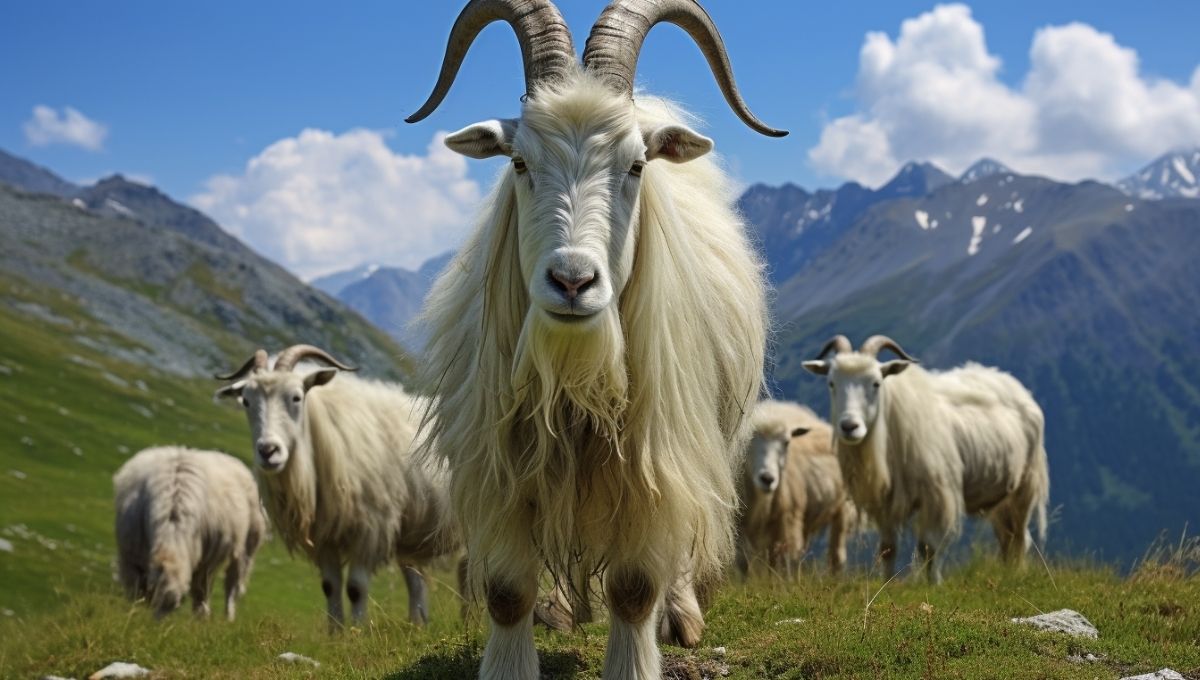

Goats as Symbols of Nourishment and Sustenance
In the annals of human civilization, few animals have nourished body and spirit quite like the goat. From rugged highlands to sun-drenched pastures, the goat has been a reliable source of milk, cheese, and meat—sustenance that supported nomadic tribes and agrarian societies alike.
Yet beyond its physical offerings lies a deeper symbolism. The goat represents provision, resourcefulness, and adaptability—its very presence a metaphor for life’s capacity to provide even in barren, rocky terrain. It is a totem of survival, symbolizing how modest means can yield abundant sustenance.
What the Goat Represents: Gifts in Symbolism
The goat is not merely a beast of burden; it is an emblem of generosity in myth and ritual. Its horns are frequently interpreted as vessels of abundance, like the legendary cornucopia, which in Greek mythology was born of the goat Amalthea.
The animal’s ability to thrive in harsh conditions is also seen as a gift, symbolizing perseverance and fortitude bestowed upon humanity.
In spiritual practices, the goat’s sacrifice was often viewed not as loss, but as an offering—a sacred transaction between the mortal and divine, a gift of appeasement, honor, and hope.
Goats and the Symbolism of Sexual Fertility
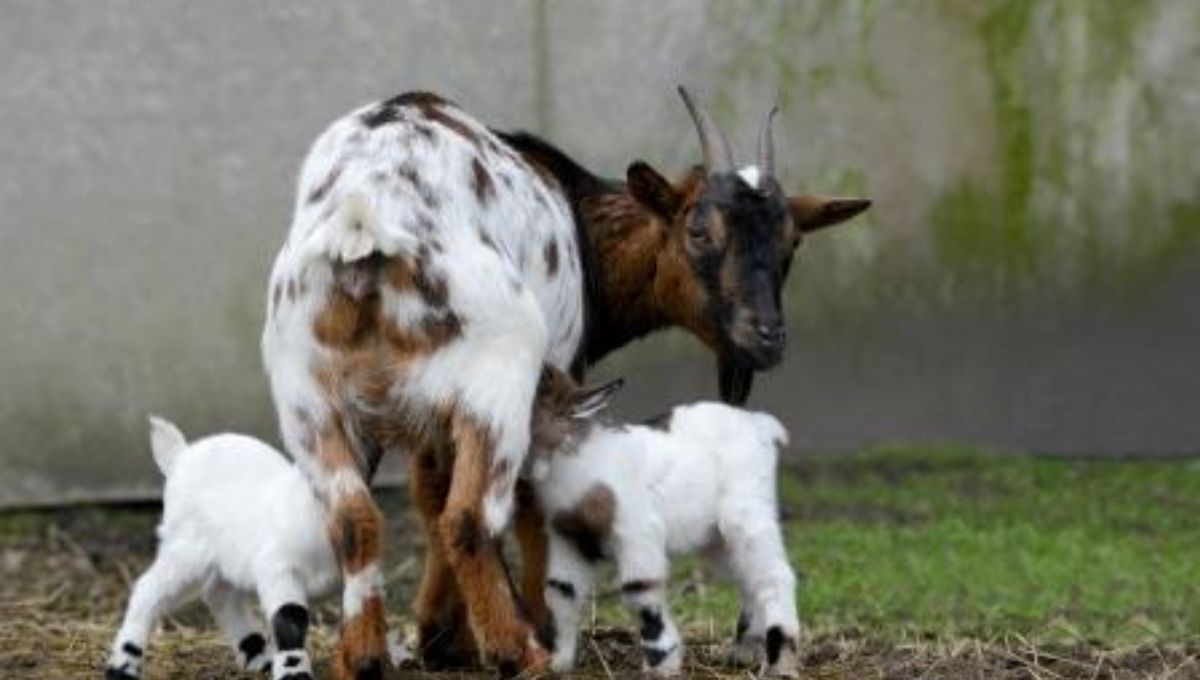
Unrestrained and instinct-driven, the goat has long been associated with raw, earthy fertility. Its mating behaviors are often exaggerated in folklore to represent vitality and unbridled desire.
In ancient fertility rites, goats were invoked or sacrificed to ensure prosperous crops and fruitful wombs. The symbolism extends beyond reproduction—it embodies a potent life force, an assertion of primal creative energy. It is the spark of regeneration, not just in the flesh, but in the soil, spirit, and cosmos.
Male Goat Symbolism: The Passionate Buck
The male goat—or buck—is the embodiment of virility, aggression, and dominance. His stance is assertive, his presence commanding. In symbolic terms, the buck reflects unfiltered masculine energy, sometimes noble, sometimes chaotic.
Mythologies across cultures have used the image of the buck to explore themes of conquest, ego, and ambition. His horns are not only weapons, but crowns—natural emblems of status and power. The buck stands as a vivid representation of lust, leadership, and the wild masculinity that often teeters between protector and predator.
Female Goat Symbolism: The Fertile Doe
Contrasting the buck’s brashness, the doe symbolizes nurturing, fecundity, and maternal wisdom. Her ability to birth and nourish offspring elevates her to a sacred station in fertility cults and pastoral lore.
The doe is gentle, yet tenacious—a protector of her young and a steward of continuity. She represents the cyclical nature of life, the sacred feminine principle that governs both physical and emotional nourishment.
Through her, the goat becomes not just a symbol of fertility, but of motherhood, healing, and the continuation of lineage.
Goats and the Devil: A Complex Symbol
The association between goats and the Devil is rooted in both misunderstanding and cultural evolution. Horned and cloven-hoofed, the goat bore physical similarities to depictions of pagan deities such as Pan or Faunus, figures later demonized by Christian doctrine.
Over time, these traits were absorbed into images of Satan, turning the goat into a vessel of sin, lust, and defiance. Yet this symbolism is complex.
To some, the goat represents rebellion, not evil, but resistance against authoritarian purity. It is a mirror for humanity’s darker instincts, neither entirely condemned nor embraced.
How Goat Symbolism Shifted from Paganism to Christianity
In pre-Christian cultures, goats were sacred—givers of life, fertility, and revelry. With the rise of monotheism, particularly Christianity, this symbolism was inverted. Gods like Pan, once celebrated, were recast as grotesque caricatures of temptation and chaos.
The goat, once divine, became diabolical. This shift reflects the broader transformation of spiritual paradigms, where the natural world, once honored, was increasingly viewed as something to be dominated or feared.
The goat’s journey from revered symbol to scapegoat reveals as much about human theology as it does about the animal itself.
Symbolic Meanings of Goat Strength and Resilience
Few creatures exemplify resilience like the mountain goat, leaping across perilous cliffs with enviable ease. This image has become a metaphor for endurance, ambition, and the ability to thrive against gravity, both literal and symbolic.
In art and literature, goats often represent strength not born of size or speed, but of tenacity. Their strength is quiet, calculated, and resolute. In a world that values perseverance, the goat stands tall, reminding us that success often lies in climbing what others fear to attempt.
The Goat’s Stubborn Nature: A Symbol of Tenacity?
Stubbornness, when attributed to the goat, often carries a double edge. It can suggest obstinacy, but also fierce independence. This unyielding nature reflects a spirit unwilling to be herded, coerced, or subdued.
In symbolic terms, the stubborn goat challenges conformity. It evokes the rebel, the trailblazer, the innovator who refuses to walk the well-worn path. In folklore, such stubbornness is often valorized—an emblem of personal will, unshakable purpose, and the courage to push forward despite resistance.
Goat Symbolism in Sacrifice and Atonement
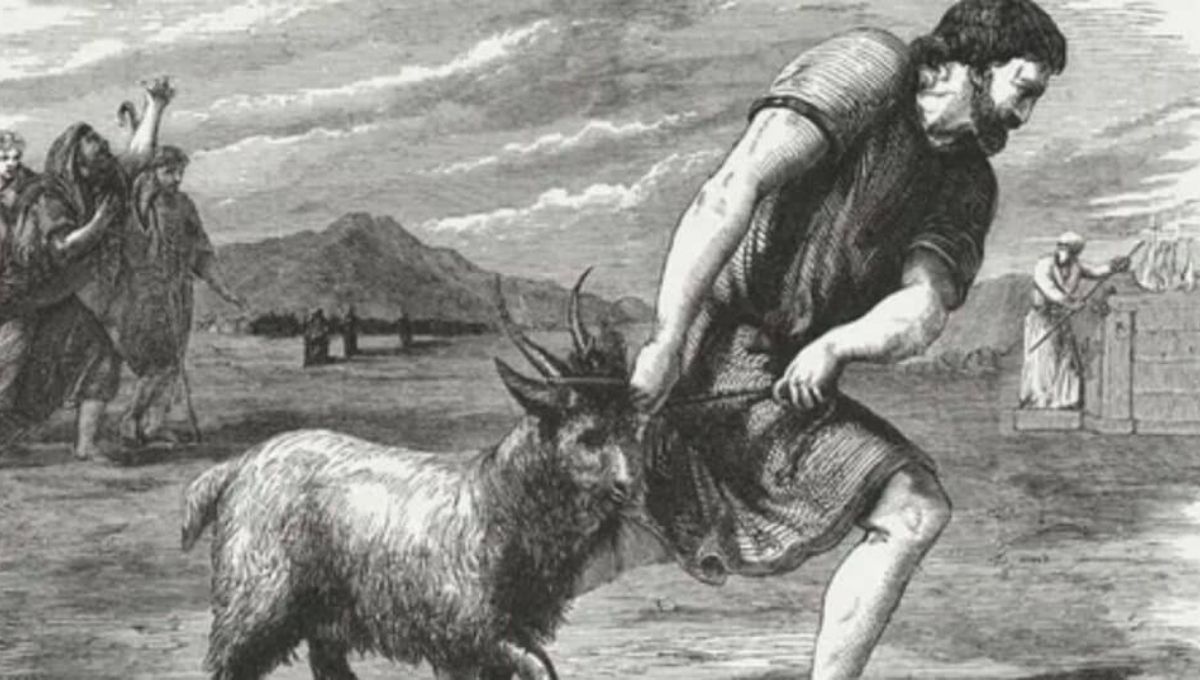
Across civilizations, the goat has stood at the altar—its life exchanged for peace, forgiveness, or favor. In ancient Jewish tradition, the concept of the “scapegoat” emerged: an animal ritually burdened with the sins of the people and cast out into the wilderness.
This symbolism of atonement reflects humanity’s desire to externalize guilt and seek redemption through ritual. The goat, in this context, becomes a silent redeemer—a being that absorbs transgression, transforming suffering into spiritual renewal.
Goat Symbolism in Capricorn and the Zodiac
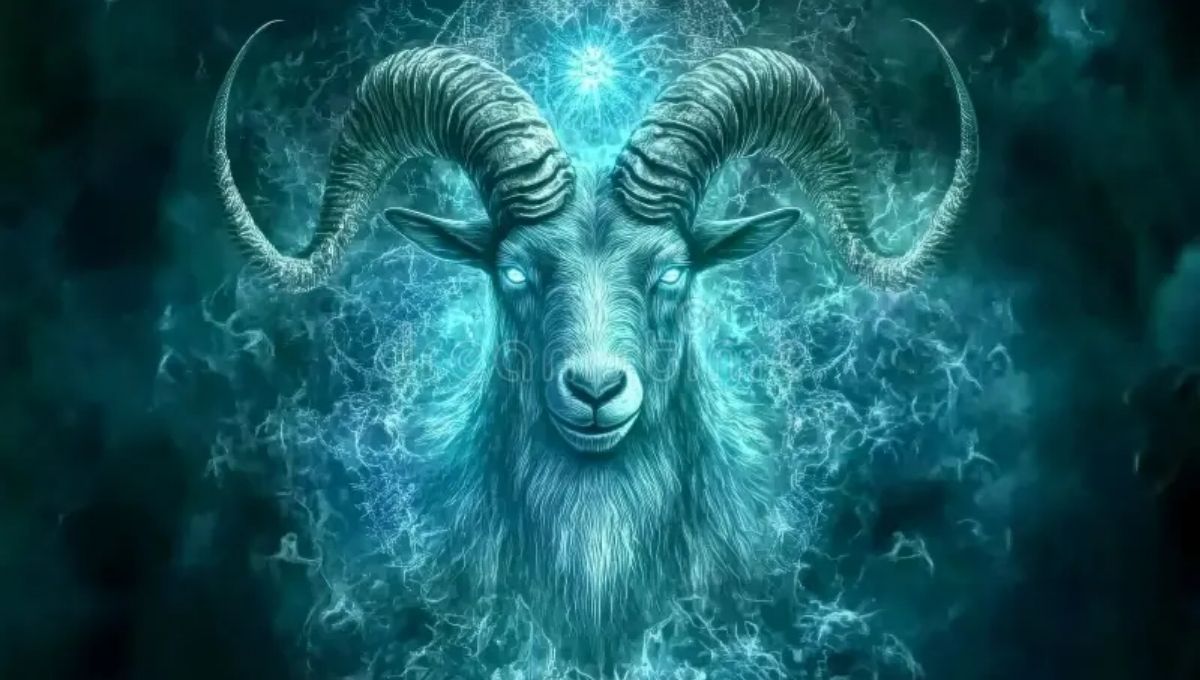
The constellation Capricorn, often depicted as a sea-goat, merges the earth-bound goat with the aquatic tail of a fish. This hybrid creature encapsulates ambition grounded in emotional depth.
Those born under Capricorn are often described as stoic climbers—disciplined, goal-oriented, and strategic. The goat here is celestial, a guide up the mountain of destiny. It symbolizes not just success, but the internal journey toward self-mastery. It is an image of paradox: terrestrial and otherworldly, practical yet mystical.
Negative Symbolism of Goats in Religion and Culture
In various religious texts and cultural interpretations, goats have been burdened with symbolic negativity. Their unclean designation in some traditions, combined with their independent nature, contributed to portrayals of moral unruliness.
In Christian contexts, goats are often contrasted with sheep—symbols of obedience and divine favor. The goat becomes the “other”—the sinner, the outcast, the soul led astray. Yet these interpretations often say more about institutional dogma than the animal itself, casting the goat as a shadow figure in the human spiritual narrative.
Goats and the Debate Over Animal Sacrifice in Religion
Goats have played central roles in religious sacrifices, yet this legacy is increasingly fraught. Ancient rites that once honored deities through goat sacrifice are now scrutinized through modern ethical lenses.
The debate revolves around reverence versus cruelty, tradition versus progress. For some, these rituals maintain sacred significance; for others, they are relics of a less enlightened era. The goat, caught in the crossfire, remains a symbol of devotion—but also a symbol of evolving human conscience.
Pan the Goat-God: Nature’s Wild Spirit in Greek Mythology
Pan, the Greek god of the wild, with his goat legs and horns, is the personification of untamed nature and sensual abandon. He haunts forests and pastures with his flute, evoking both fear and ecstasy.
Pan is not evil—he is primal, representing the instinctive, earthy forces that lie just beneath the surface of civilization. He symbolizes the joy of the natural world, the wildness that refuses domestication. Through Pan, the goat becomes divine once more—a spirit of revelry, wilderness, and eternal youth.
The Panes: Goat Spirits of Celebration and Nature
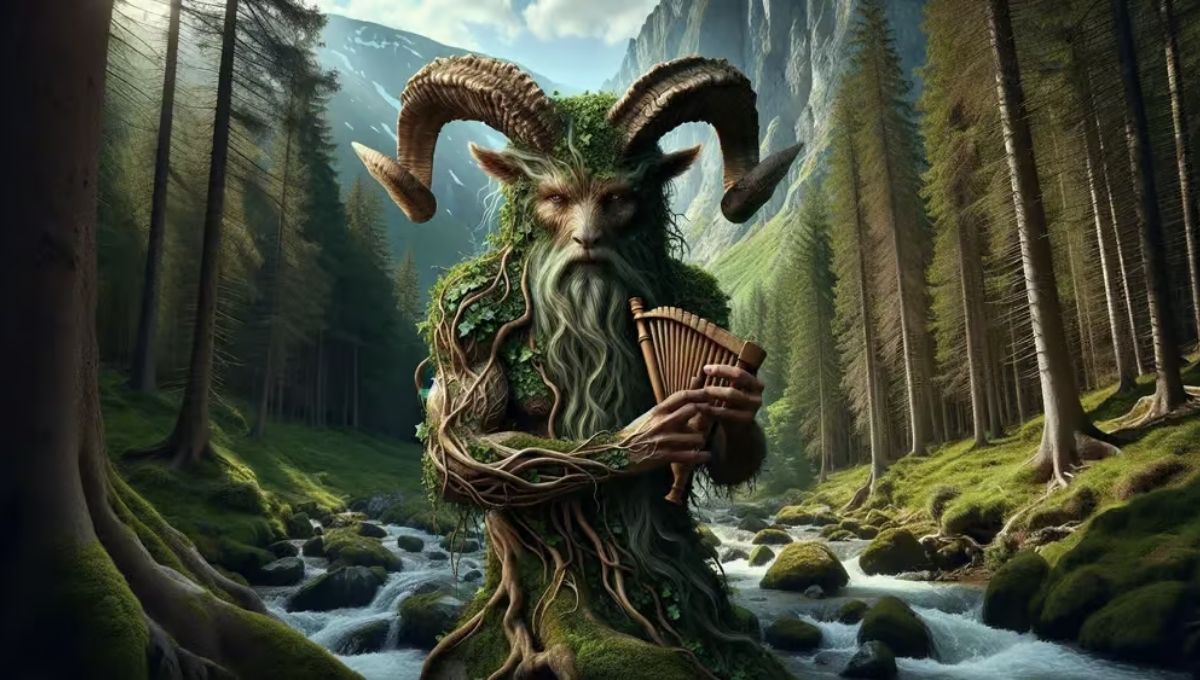
Lesser-known than Pan himself, the Panes are his frolicking companions—goat-legged spirits who embody merriment, music, and nature’s bounty. They dance, drink, and sing through fields, representing the euphoric union of life and land.
These beings reflect the communal side of goat symbolism: festivity, abundance, and the collective joy of being. As semi-divine entities, the Panes serve as a reminder that sacredness is not always solemn—it can be wild, communal, and jubilant.
Amalthea: The Goat Who Nurtured Zeus
In one of the most tender myths of Greek lore, Amalthea—the goat or goat-nymph—nurtures the infant Zeus with her milk, hiding him from the wrath of his father, Cronus. Her horn, broken off and filled with fruit, becomes the cornucopia—a symbol of never-ending abundance.
Amalthea represents divine care, protection, and nourishment. She is the archetypal maternal figure, elevated to myth not through battle or power, but through the simple, sacred act of feeding a god. Through her, the goat becomes immortalized as a symbol of divine generosity.
FAQs
1. What do goats symbolize in different cultures?
Goats symbolize nourishment, fertility, strength, resilience, and spiritual power across many cultures and mythologies worldwide.
2. Why are goats associated with fertility and abundance?
Goats represent raw fertility and life force; their horns are seen as symbols of abundance, like the cornucopia in Greek mythology.
3. How did goat symbolism change from paganism to Christianity?
In pagan cultures, goats were sacred and symbols of life and fertility, but Christianity later linked them to sin and the devil, changing their symbolic meaning.
4. What does the goat represent in astrology, especially Capricorn?
The Capricorn goat symbolizes ambition, discipline, and perseverance, guiding individuals on a path of self-mastery and success.
5. Why are goats sometimes linked to rebellion and stubbornness?
Goats embody tenacity and fierce independence, often symbolizing a rebellious spirit that challenges conformity and forges its own path.
Conclusion:
Goat symbolism spans nourishment, fertility, strength, and the divine, embodying resilience and life’s primal forces. Representing both nurturing and wildness, goats inspire courage, tenacity, and spiritual renewal. Understanding their rich symbolism helps us appreciate their profound cultural and mythological roles across history and spirituality, offering timeless lessons on survival and vitality.
Read More: