

The UK’s Growing Obsession with Fuller Hair
Walk into any chemist or beauty aisle in the United Kingdom today, and you’ll quickly notice something: shelves lined with serums, shampoos, and supplements all promising the secret to thicker, healthier hair. For many Brits, the issue goes far beyond vanity. Hair thinning can shake confidence, impact professional presence, and even become a source of social anxiety.
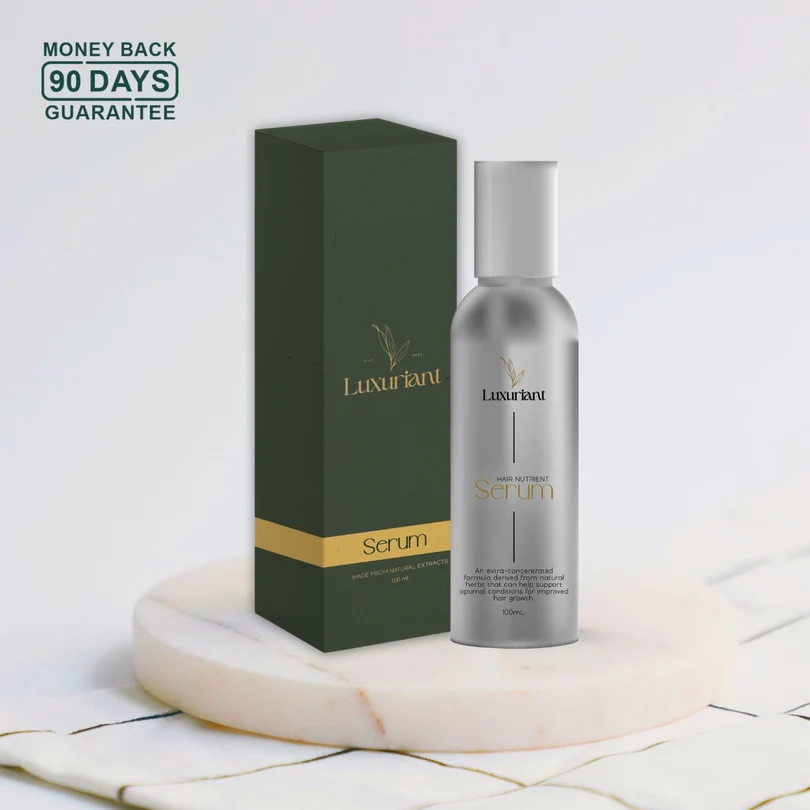
This is where the Luxuriant hair growth serum comes into play. Unlike generic products that rely on vague promises, the Luxuriant approach focuses on ingredients and science that deliver real results. But with so many options on the market, how do you know which serum is truly right for you?
This article will guide you through the science, myths, and decision-making process so you can move confidently from thin to thick.
Understanding Hair Growth: The Basics
Before we dive into product selection, let’s break down how hair actually grows.
- Anagen (Growth Phase): Can last 2–7 years and determines hair length.
- Catagen (Transition Phase): A short resting stage lasting only a few weeks.
- Telogen (Shedding Phase): Where hair naturally falls to make space for new growth.
The challenge for many people in the UK—whether due to stress, hormones, or lifestyle—is that the growth phase becomes shorter, while the shedding phase lengthens. That’s where serums can help extend growth time and revitalise follicles.
What Makes a Serum “Luxuriant”?
Not all serums are made equal. A Luxuriant hair growth serum isn’t just a marketing buzzword—it refers to products that combine clinically researched ingredients with nutrient delivery systems that penetrate the scalp effectively.
Whereas a simple oil may condition the surface, a true growth serum nourishes the follicle at the root. Think of it like the difference between watering leaves versus feeding the soil.
Key Ingredients to Look Out For
When choosing the right serum, keep an eye on ingredients proven to support thicker hair:
1. Caffeine Extract
Boosts microcirculation and energises dormant follicles. A 2020 study found caffeine serums slowed shedding and improved density over a six-month period.
2. Peptides & Amino Acids
Signal the follicle to strengthen the hair shaft and encourage new growth.
3. Botanical Actives
Ingredients like rosemary oil and saw palmetto have been shown to help block DHT, a hormone linked to male and female pattern thinning.
4. Niacinamide & Antioxidants
Support scalp health by reducing inflammation and protecting against environmental damage.
It’s worth noting that many effective serums complement plant-based shampoo routines, which cleanse gently without stripping natural oils that follicles need.
Matching the Serum to Your Needs
Different lifestyles, genders, and life stages call for different formulas. Here’s how to choose wisely:
For Men:
A hair growth serum for men often focuses on blocking DHT and increasing density along the crown or hairline. Men may benefit from serums with saw palmetto or caffeine as lead ingredients.
For Women:
Women, especially those experiencing hormonal shifts, require serums that balance scalp health while boosting follicle strength. Pairing a serum with a menopause hair shampoo designed to counter dryness and breakage can create a powerful routine.
For Sensitive Scalps:
Look for serums free of harsh alcohols and sulfates. Serums with botanical bases often work better in these cases.
Debunking Common Myths About Hair Serums
The UK beauty market is flooded with claims, but not all hold up under scrutiny. Let’s clear the air:
- Myth 1: A Serum Will Work Overnight.
Reality: Hair grows slowly—about 1cm per month. Most users notice results in 3–6 months with consistent use. - Myth 2: Expensive Always Means Better.
Reality: A higher price tag doesn’t guarantee better ingredients. Always check labels. - Myth 3: Serums Alone Solve Everything.
Reality: Nutrition, stress levels, and cleansing routines (like using a gentle plant-based shampoo) play equally important roles.
A Real-Life Perspective
Take Sophie, a 42-year-old from Manchester, who shared her experience:
“After hitting perimenopause, I noticed my hair thinning at the temples. I tried switching to a menopause hair shampoo and added a caffeine-based serum into my routine. It took about four months, but I started seeing baby hairs returning. It’s not a miracle, but it’s a confidence boost I desperately needed.”
Her story reflects what many across the UK are experiencing—slow, steady, but noticeable improvements when serums are used correctly.
Best Practices for Using a Hair Growth Serum
To maximise results with a Luxuriant hair growth serum, follow these expert-backed steps:
- Start with a Clean Scalp: Use a mild cleanser or plant-based shampoo before applying serum.
- Apply Directly to Roots: Serums work on follicles, not hair shafts.
- Massage Gently: Stimulates circulation and aids absorption.
- Stay Consistent: Daily use, especially at night, shows the best long-term results.
- Pair with Lifestyle Choices: Balanced nutrition, regular exercise, and reduced stress amplify results.
Conclusion: Choosing Wisely for Long-Term Gains
The journey from thin to thick hair isn’t about chasing instant fixes. It’s about understanding your hair’s biology, selecting the right formula, and staying consistent.
The Luxuriant hair growth serum stands out because it combines science-backed ingredients with a focus on scalp health, working for both men and women. When paired with supportive routines—like using a plant-based shampoo or a tailored menopause hair shampoo—it can make a meaningful difference over time.
Hair growth serums are not just a beauty product; they’re a science-led approach to restoring confidence and vitality. And while results won’t happen overnight, with patience, the payoff can be truly transformative.