

Why Symbols in Dreams Matter (Especially in the Bible)

Dreams have long been seen as messages from God, carrying hidden signs that show truths beyond normal thinking. In the Bible, dreams are not just nighttime images but powerful spiritual messages.
Scripture reminds us in Job 33:14 that although God speaks, people may not always understand His words. The Bible teaches that such dreams can guide, warn, and give wisdom for personal growth, important choices, and the journey of faith.
The Biblical Significance of Animals in Dreams
Throughout the Bible, animals are used as signs of God’s lessons, warnings, or provision. From the serpent in Eden showing temptation, to the Dove at Jesus’ baptism showing peace and the Holy Spirit, each animal has deep spiritual meaning.
Lions show both danger and Christ as the Lion of Judah, while Eagles show protection, strength, and renewal as in Isaiah 40:31. Sheep show faithfulness and the need for the Good Shepherd in John 10:11. Every animal dream carries a message—a pointer to deeper biblical teaching.
General Biblical Interpretation of Animals in Dreams
When understanding dreams, the Bible’s view teaches that animals often act as God’s messengers. A ram, lion, or even a snake may not just reflect real life but show spiritual truths, warnings, or comfort for today. The Bible’s signs help believers look deeper, find lessons that guide decisions, protect from danger, and build faith.
Why the Ram Is Spiritually Important in Dreams
The ram has a special role in the Bible’s signs. It is linked with sacrifice, leadership, and strength, carrying the divine meaning of obedience, provision, and guidance. From Genesis to Daniel, the ram is not just an animal, but a spiritual sign of authority, faith, and protection. When a ram shows up in a dream, it may point to a test, a battle, or the perfect timing of God’s plan.
From Genesis to Revelation: Key Biblical Stories Involving Rams
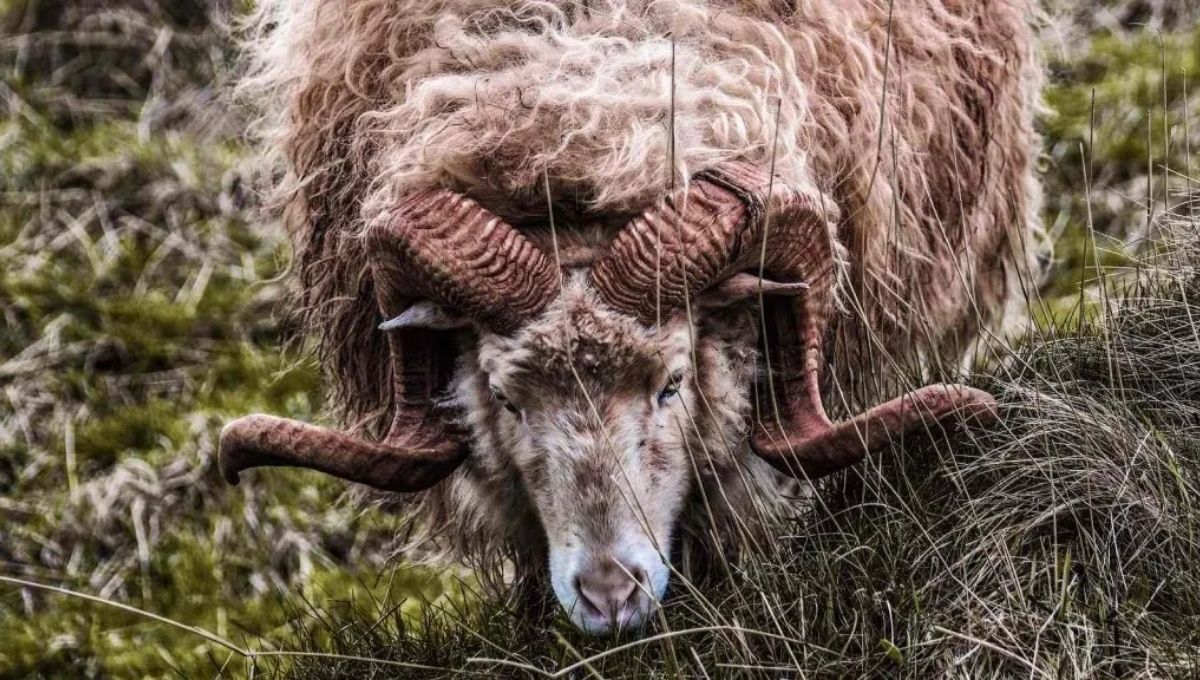
The Hidden Meaning Behind Ram Symbolism in the Bible
The ram first appears as a sign of God’s provision in the story of Abraham. Its presence shows God’s care, truth, and the main lesson—that faith needs trust beyond what we see. Later, books like Daniel show the ram as a picture of kingdoms, authority, and vision.
The Ram as a Symbol of Leadership and Authority
A ram’s horns stand for power, leadership, and authority. In Israel, the Shofar (a ram’s horn) was blown in worship, battle, and sacred times. It carried the sound of victory, warning, and God’s call, showing the ram’s role as a figure of strength and guidance.
The Sacrificial Ram: A Leap of Faith and Unwavering Obedience
One of the strongest Bible stories is in Genesis 22:13, when Abraham’s faith was tested. On the mountain, when asked to give Isaac as an offering, God provided a ram instead. This sacrifice was not just a provision but a picture of redemption, showing that God’s plan and timing are always perfect.
Genesis 22:13 – What the Ram Sacrifice Really Symbolizes
The ram here shows substitution, mercy, and salvation. It gives a deeper truth: when faith is tested, God provides. The ram was a sign of forgiveness, pointing to the greater sacrifice in Christ.
The Power of Substitution: Ram as a Symbol of Redemption
The sacrificial ram shows redemption—life saved by God’s mercy. It reminds us that God’s care is not by chance but by His plan, giving comfort, clear insight, and guidance to those who trust Him.
The Ram and Prophetic Meaning in Scripture
The Ram and Prophecy: Daniel’s Vision
In the Book of Daniel, the ram appears in a prophetic vision, showing the Medo-Persian Empire. With two horns pushing westward, northward, and southward, this picture shows not only political power but also the spiritual truth that kingdoms rise and fall under God’s control.
Unveiling Visions: The Ram in the Book of Daniel
The visions of Daniel are not random but carefully meant to teach later generations about God’s messages and divine timing. The ram is both an animal sign and a spiritual signal that God rules over nations.
Daniel 8:20 – Unlocking the Ram Prophecy
This verse explains the ram’s horns as the kings of Media and Persia. It shows that prophetic dreams and visions carry truths beyond surface meaning—a reminder that true understanding needs Scripture and God’s guidance.
What These Ram Symbols Mean for Your Dreams
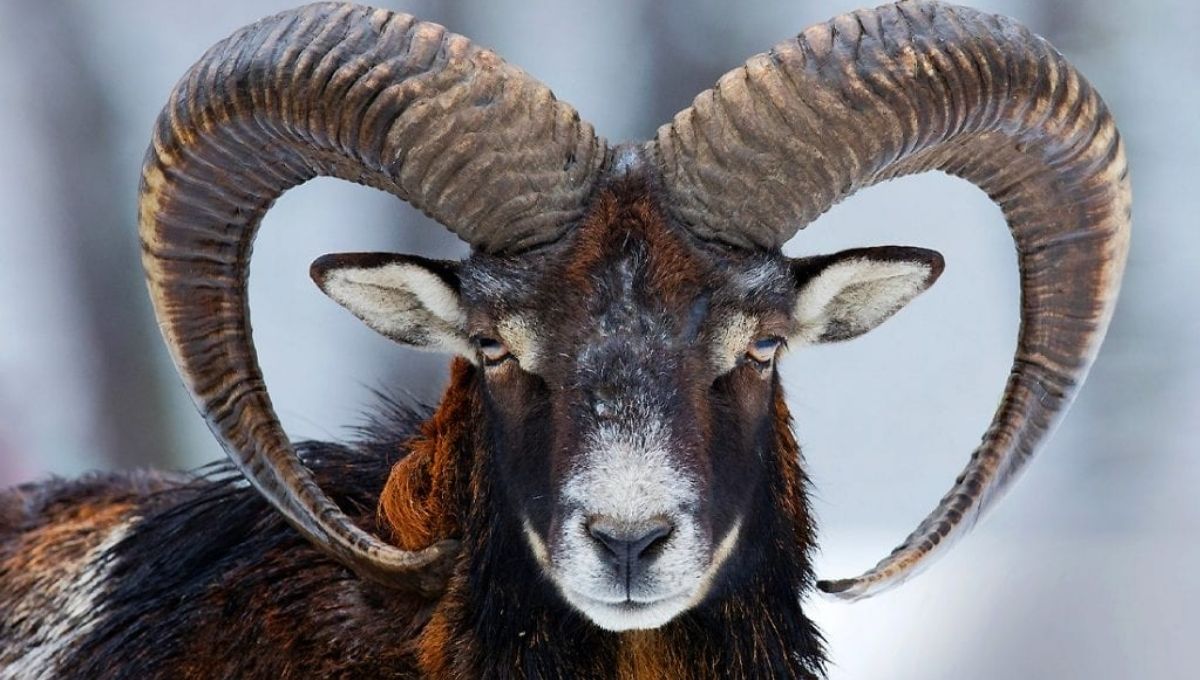
The Horns of the Ram: Power and Strength
In dreams, a ram’s horns often show strength, authority, and readiness for battle. They may point to a coming challenge or the victory that comes by faith.
What Do Horns Represent in the Bible?
In the Bible, horns often stand for power, leadership, and God’s call. They are signs of worship, protection, and even warning.
The Connection between Ram’s Horns and Dream Interpretation
When a ram’s horn shows up in a dream, it may be a call to prepare for spiritual battle, step into leadership, or trust in God’s guidance during hard times.
How to Personally Understand Your Ram Dream
Interpreting Your Own Dream about a Ram
To understand a ram dream, think about the details—how it looked, what you felt, and what was happening. Ask what message it may hold for your life.
Decoding Specific Scenarios: Common Ram Dreams
- A ram charging: points to a battle or challenge.
- A sacrificial ram: shows faith, obedience, and God’s care.
- A ram on a mountain: shows rising to a higher purpose or spiritual journey.
Why One Ram Dream Can Have Many Meanings
Since dreams are personal, a ram may mean protection for one person, leadership for another, or sacrifice for someone facing a faith test.
Real Stories and Expert Insights on Ram Dreams

Real Stories of People Who Dreamed About Rams
Believers through time have shared stories of rams in dreams during times of struggle, choices, or growth. These dreams often showed God’s care, timing, and guidance.
Expert Insights: What the Ram in Your Dream Could Mean
Experts in Biblical dream study say a ram symbolizes strength, leadership, and sacrifice. Depending on the situation, it may be a warning, a call to faith, or a message of God’s provision.
Final Thoughts: What the Ram in Your Dream Might Reveal
The ram in your dreams may be calling you to faith, reminding you of God’s provision, or preparing you for leadership in life today. These signs are timeless, giving truth, guidance, and comfort to those who listen.
Keep Exploring: What Your Dreams Might Still Be Telling You
Every dream is a message wrapped in symbols. By reflecting, praying, and seeking spiritual insight, you open yourself to a deeper understanding of how God speaks through dreams.
FAQs
1. What does a ram symbolize in biblical dreams?
In the Bible, a ram in dreams often represents strength, leadership, sacrifice, and divine provision. It can symbolize tests of faith, God’s guidance, or a call to take on greater responsibility.
2. What is the meaning of Genesis 22:13 and the sacrificial ram?
In Genesis 22:13, God provides a ram as a substitute for Isaac, symbolizing mercy, redemption, and divine provision. This story shows that when faith is tested, God’s timing and plan are always perfect.
3. What do a ram’s horns mean in dreams?
A ram’s horns signify power, authority, and victory. In dreams, they may point to upcoming challenges, spiritual warfare, or a call to embrace your leadership role with courage and faith.
4. How is the ram connected to prophecy in the Book of Daniel?
In Daniel 8:20, the ram represents the Medo-Persian Empire. This prophetic vision shows the ram as a symbol of kingdoms, political power, and God’s ultimate authority over nations.
5. How can I interpret my own dream about a ram?
To interpret a ram dream, focus on the details—was the ram charging, standing on a mountain, or offered as a sacrifice? Each scenario reflects a different spiritual message, such as protection, faith, or a call to step into leadership.
Conclusion:
Dreams about rams carry powerful biblical messages—signs of strength, leadership, sacrifice, and God’s provision. By understanding these symbols through Scripture, you gain insight into your spiritual journey. Keep reflecting, stay prayerful, and trust that God may be guiding you through every dream, one symbol at a time.
Read More: