
The Evolution of Parenting Approaches
Parenting has always been a complex and evolving responsibility, shaped by culture, technology, social expectations, and changing ideas about childhood. However, modern parenting looks very different from previous generations. Today’s parents are raising children in a world of rapid technological change, increased academic pressure, diverse family structures, and constant access to information. While these changes bring new challenges, they also provide opportunities for parents to build stronger, more supportive relationships with their children.
From Authority to Communication
One of the defining features of modern parenting is the shift from traditional authority-based approaches toward a more relationship-focused style. In the past, parenting often emphasized obedience and discipline above all else. Children were expected to follow rules without much explanation, and parents were viewed primarily as figures of authority. Modern parents, however, often focus on communication, empathy, and understanding. They aim to guide children rather than simply control their behavior, helping them develop confidence, emotional awareness, and independence.
The Importance of Boundaries and Responsibility
Modern parenting does not mean that children have unlimited freedom. Effective parenting still requires boundaries, structure, and consistent expectations. The difference is that many parents now try to explain the reasons behind rules and involve children in conversations about decisions. For example, instead of simply saying that a child cannot use a device late at night, a parent might explain the importance of sleep and health while working together to create a reasonable routine. This encourages children to understand responsibility rather than simply follow instructions out of fear.
Technology and Digital Challenges
Technology is one of the most significant factors shaping modern parenting. Children today grow up surrounded by smartphones, tablets, social media, and digital entertainment. These tools can support learning, creativity, and communication, but they can also create concerns about screen time, online safety, and exposure to inappropriate content. Parents must learn to balance the advantages of technology with healthy limits that protect children’s development.
Teaching Digital Responsibility
Rather than viewing technology as entirely positive or negative, many modern parents focus on teaching digital responsibility. Children need guidance on how to use technology safely, respectfully, and thoughtfully. Lessons about privacy, online behavior, and critical thinking are becoming as important as traditional lessons about manners and personal responsibility. Since children often become comfortable with technology quickly, parents may also find themselves learning alongside their children and adapting to a constantly changing digital environment.
Supporting Children’s Emotional Health
Another important aspect of modern parenting is the growing awareness of children’s emotional health. Many parents today recognize that success is not measured only by academic achievements or future careers but also by emotional well-being. They encourage children to express feelings, manage stress, and develop healthy relationships. This focus on emotional intelligence helps children understand themselves and others, creating stronger foundations for personal growth.
The Role of Childcare in Modern Families
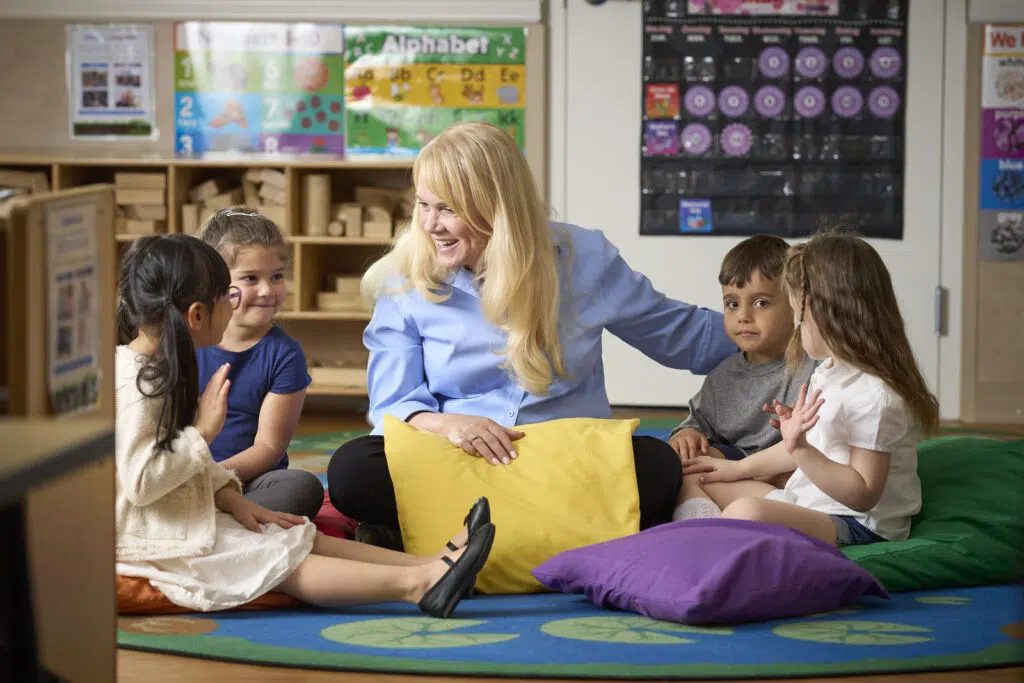
Modern families often rely on childcare services and support systems to help meet the needs of children while parents manage work and personal responsibilities. Quality childcare can provide children with opportunities to develop social skills, explore creativity, and build confidence in a safe and supportive environment. When childcare is combined with active parental involvement, it can become an important part of a child’s overall development and well-being.
The Pressure of Being a Perfect Parent
At the same time, modern parents often face increased pressure to provide the “perfect” childhood. Social media can create unrealistic expectations by showing carefully edited images of family life, achievements, and parenting styles. Some parents feel pressure to organize endless activities, provide expensive opportunities, or constantly improve every aspect of their children’s lives. This pursuit of perfection can lead to unnecessary stress and exhaustion.
Accepting Imperfection and Learning
A healthier approach is to recognize that good parenting does not require perfection. Children benefit most from having parents who are present, caring, and willing to learn from mistakes. A parent who apologizes after losing patience, listens when a child is upset, or makes time for meaningful conversations teaches valuable lessons about honesty, growth, and resilience. Parenting is a continuous learning process for both adults and children.
Changing Family Roles
Modern parenting has also been influenced by changing ideas about family roles. In many households, parenting responsibilities are shared more equally between partners, and fathers are increasingly recognized as active caregivers rather than secondary figures. Families today come in many forms, including single-parent households, blended families, and families with different cultural backgrounds. What matters most is not the structure of a family but the presence of love, stability, and support.
Balancing Work and Family Life
Another challenge for modern parents is balancing family life with personal and professional responsibilities. Many parents manage demanding careers, household duties, and the emotional needs of their children at the same time. Finding balance can be difficult, especially in a world where work and personal life often overlap. Creating routines, prioritizing quality time, and accepting support from relatives, friends, and communities can help parents manage these demands.
Preparing Children for the Future
Modern parenting also requires preparing children for a future that is difficult to predict. The jobs, technologies, and social environments children will experience as adults may be very different from today’s world. Instead of focusing only on memorizing information, many parents and educators emphasize skills such as creativity, problem-solving, adaptability, and cooperation. These abilities help children respond confidently to change.
The Lasting Purpose of Parenting
Ultimately, modern parenting is about adapting while maintaining the timeless foundations of raising children: love, guidance, patience, and connection. Every generation faces unique challenges, but the central goal remains the same—to help children grow into capable, compassionate, and confident individuals.
Growing Together Through Parenthood
The modern parent does not need to have all the answers. Instead, successful parenting often comes from being willing to listen, adjust, and grow together with children. In a rapidly changing world, the strongest families are those built on trust, understanding, and a commitment to supporting each other through every stage of life.