

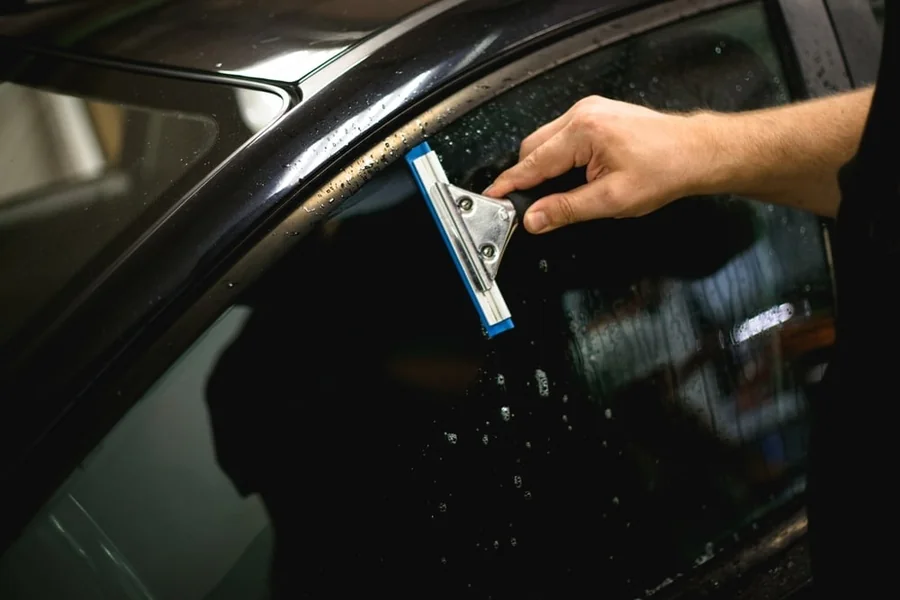
Window tinting is one of those upgrades that almost everyone has heard of, yet many misconceptions still surround it. Some people believe tint is purely cosmetic, others think it makes interiors too dark, and some assume it causes more problems than it solves. These myths often prevent homeowners and vehicle owners from taking advantage of the real benefits window tint provides.
Understanding what window tinting actually does — and what truly matters when choosing it — helps separate fact from fiction. When the myths are stripped away, window tint emerges as a practical, data-backed solution for comfort, protection, and efficiency.
Myth #1: Window Tint Is Only for Privacy
One of the most common misconceptions is that window tint exists solely to provide privacy or darken glass. While privacy can be a benefit, it is far from the primary purpose of modern window film.
High-quality window tint is engineered to:
- Block ultraviolet radiation
- Reduce infrared heat
- Minimize glare
- Improve thermal comfort
- Protect interior materials
Privacy is simply a side effect of certain film shades, not the core function. Even nearly clear films can deliver significant heat and UV protection without noticeably changing how windows look.
Myth #2: Darker Tint Always Performs Better
Many people assume that the darker the tint, the more heat it blocks. In reality, darkness relates mostly to visible light transmission, not heat rejection.
Advanced films, especially ceramic-based options, can block a high percentage of infrared heat while remaining relatively light. Meanwhile, darker dyed films may absorb heat rather than block it, limiting their effectiveness.
What matters more than darkness is the film’s ability to reject infrared radiation and filter UV rays.
Myth #3: Window Tint Makes Spaces Too Dark
This myth stems from outdated tint technology. Modern window films are designed to preserve natural light while reducing harmful solar energy.
Homeowners often worry that tint will make rooms feel closed off or gloomy. In practice, many notice the opposite effect: glare is reduced, light feels softer, and spaces become more comfortable throughout the day.
Light, high-performance films allow rooms to stay bright without the harsh intensity that causes discomfort and fading.
Myth #4: Window Tint Is Only for Cars
While automotive tinting is common, window tinting is equally effective in residential and commercial settings.
Homes benefit from:
- Reduced hot spots near windows
- Protection for flooring and furniture
- Lower cooling costs
- Improved comfort year-round
Commercial spaces benefit from:
- Balanced interior temperatures
- Reduced glare on screens
- Protection of merchandise and furnishings
- Enhanced energy efficiency
Window tint is a versatile solution wherever glass allows sunlight inside.
Myth #5: Tint Damages Windows or Glass
Some people worry that window tint will damage glass, cause cracking, or lead to seal failure. When installed correctly using compatible film, tint does not harm windows.
Problems typically arise from:
- Poor-quality films
- Improper installation
- Incorrect film selection for certain glass types
Working with a trusted window tinting company ensures that the film used is appropriate for the glass and environment, eliminating these risks.
Myth #6: Window Tint Is Illegal Everywhere
Tint laws vary, especially for vehicles, but window tint itself is not inherently illegal. Automotive regulations usually focus on visible light transmission percentages for specific windows.
Residential and commercial window tinting typically faces far fewer restrictions. In many cases, there are no limitations at all.
Understanding local guidelines and choosing compliant films ensures tinting is both legal and beneficial.
Myth #7: Tint Doesn’t Last Long
Older tint films had a reputation for bubbling, peeling, and fading. While this was once common, modern films are far more durable.
High-quality window films:
- Resist discoloration
- Maintain clarity over time
- Come with manufacturer warranties
- Perform consistently for years
Longevity depends heavily on film quality and installation expertise. Cutting corners often leads to the issues people associate with outdated tinting.
What Actually Matters When Choosing Window Tint
With myths out of the way, it becomes clear that certain factors matter far more than others.
Film Technology
The type of film — dyed, metallic, or ceramic — determines performance. Ceramic films typically provide the highest heat and UV rejection with minimal visual impact.
UV and Infrared Rejection
The most important performance metrics are UV blockage and infrared heat rejection. These directly affect comfort, interior preservation, and energy efficiency.
Application Environment
Vehicle, residential, and commercial tinting each have unique requirements. Glass type, orientation, and exposure levels all influence film selection.
Installation Quality
Even the best film performs poorly if installed incorrectly. Precision, cleanliness, and experience matter.
Long-Term Value
Upfront cost should be weighed against durability, performance, and warranty coverage. A slightly higher investment often delivers better returns over time.
The Real Benefits of Window Tinting
When evaluated based on facts rather than myths, window tinting offers clear advantages:
- Cooler interiors
- Reduced glare
- UV protection for people and furnishings
- Lower energy usage
- Improved comfort and aesthetics
These benefits apply across vehicles, homes, and businesses, making tint one of the most versatile upgrades available.
Why Education Matters
Most misconceptions about window tint come from outdated information or low-quality experiences. As film technology has evolved, so have the benefits.
Educated consumers are better equipped to choose the right solution and avoid disappointment. Understanding performance metrics rather than relying on appearance alone leads to better outcomes.
Final Thoughts
Window tinting is often misunderstood, but when myths are replaced with facts, its value becomes clear. It is not just about darker glass or added privacy. It is about controlling heat, protecting interiors, and improving comfort in a measurable way.
What truly matters is film quality, performance data, and proper installation. When these factors align, window tint delivers benefits that go far beyond aesthetics — making it a practical, long-term solution backed by modern technology.