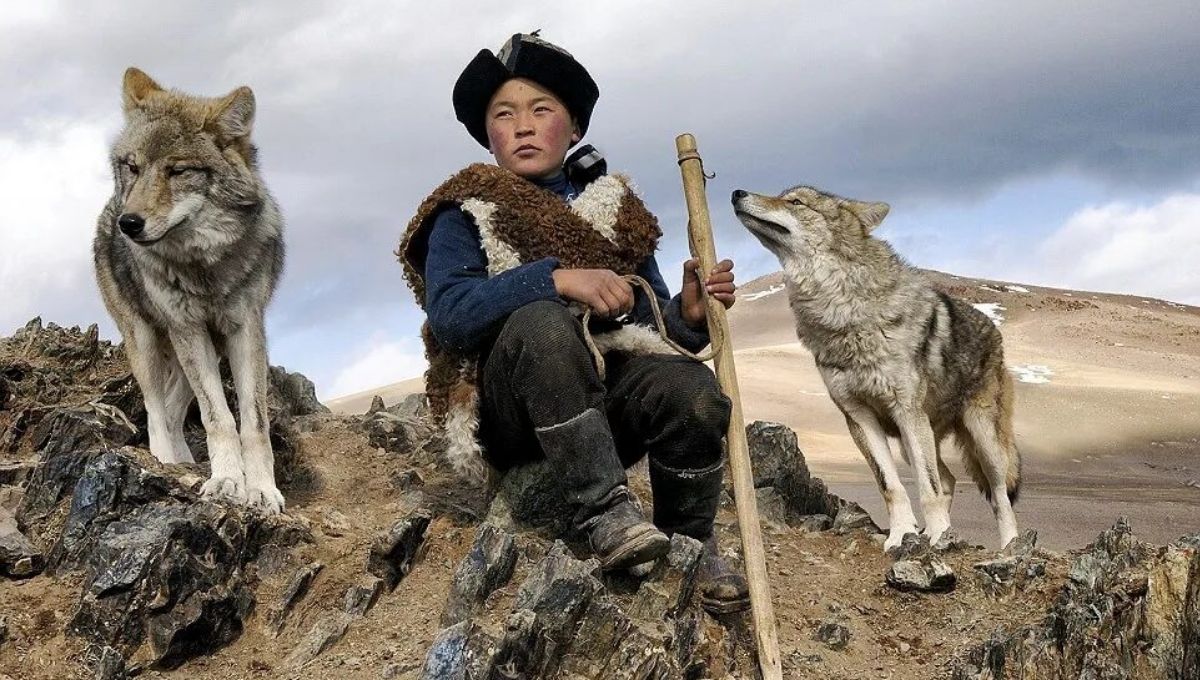

Wolves have occupied a revered and feared space in the collective consciousness of civilizations around the world. From ancient mythology to modern storytelling, the wolf has symbolized a wide spectrum of human values and instincts — wildness, wisdom, solitude, power, and protection. Cultures spanning continents have looked to wolves not just as animals, but as totems, omens, and spiritual mirrors reflecting the essence of humanity.
Wilderness
The wolf embodies the untamed wilderness. It is the very spirit of lands untouched by human influence. To many Indigenous cultures, especially those of North America, the wolf represents a deep connection to the wild — a symbol of the sacred natural order. Its howls echo across mountains and forests, serving as a stark reminder of the primal beauty and rawness that still lingers beyond civilization’s edge.
Freedom
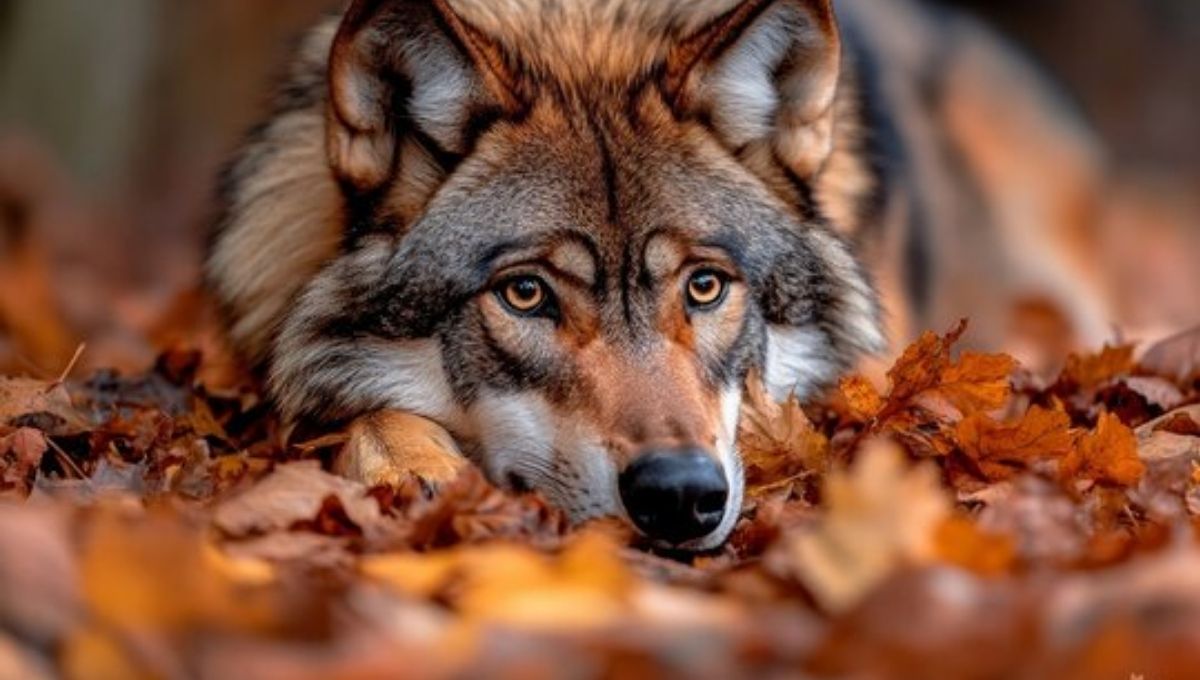
Unshackled by domestication, wolves roam vast distances under open skies. They symbolize unbridled freedom — not the chaotic kind, but a deliberate and disciplined independence.
In Norse mythology, the giant wolf Fenrir was seen as both a force of destiny and a challenge to the gods, portraying the wolf as an unstoppable embodiment of nature’s will. To dream of wolves or invoke their spirit often reflects a desire to escape confinement and reclaim personal autonomy.
Intelligence & Fearlessness
Wolves are strategic hunters and socially intelligent creatures. Their ability to work in synchrony, adapt to terrain, and defend their kin has fascinated humans for centuries.
In Roman mythology, the she-wolf that nursed Romulus and Remus was not only nurturing but also wise and fearless. Wolves are not reckless predators — they calculate risks, assess threats, and strike with intention, embodying tactical brilliance paired with courage.
Nursing
Perhaps one of the most surprising yet powerful symbols the wolf carries is that of nurturing. The myth of the Capitoline Wolf suckling the founders of Rome illustrates how wolves can be guardians and life-givers.
In many tribal belief systems, wolves are seen as spiritual midwives, guiding the young, the sick, and the lost through life’s transitions. They teach the value of care within strength.
Evil & Cunning
In contrast to their noble traits, wolves have also been vilified. Western folklore often casts the wolf as a villain — the “big bad wolf” lurking in the woods, stalking innocence.
In fairy tales, it represents predatory cunning and deception. These stories reflect human fears: the fear of being tricked, hunted, or consumed by forces beyond understanding. Here, the wolf is a shadow self—a reflection of our own potential for darkness.
Royalty
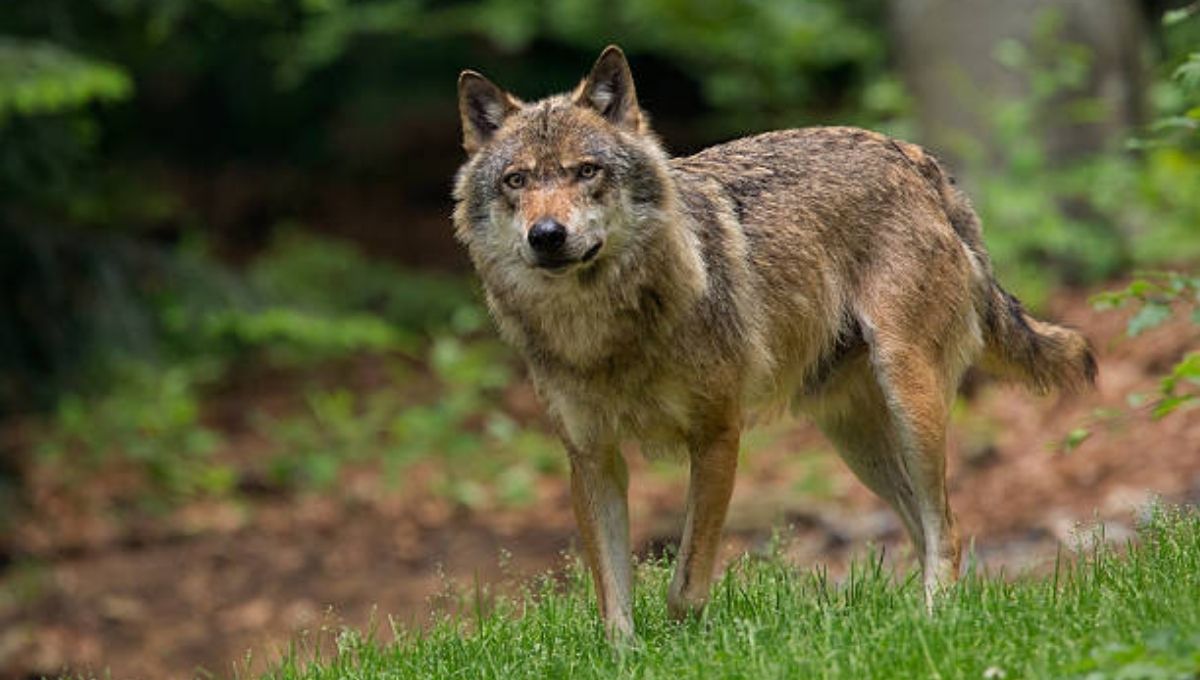
In some traditions, wolves were associated with kingship and divine right. The Mongols believed their people were born of a blue wolf and a doe, granting the animal sacred ancestry.
Similarly, Celtic warriors wore wolf pelts into battle, invoking the creature’s ferocity and nobility. The wolf’s presence alongside royalty suggests leadership, dominion, and a fierce protector of kin and land.
Loneliness
The lone wolf is an archetype rooted in reality and romanticism. While wolves are pack animals by nature, the lone wolf signifies solitude — a soul set apart from the collective.
This archetype represents those who walk their own path, often misunderstood yet deeply introspective. It evokes the ache of isolation but also the strength found in self-reliance.
Pack Mentality
Wolves thrive within a structured, hierarchical pack. They teach us about loyalty, communal responsibility, and the balance of individual roles for the greater good.
Each wolf knows its place — the alpha leads not through domination, but through guidance and trust. In human terms, this speaks to healthy communities, leadership with integrity, and interdependence.
Protection
The wolf is a vigilant guardian. When defending their young or territory, wolves become fearsome warriors. In spiritual contexts, they are often invoked as protectors against unseen forces.
Many shamanic traditions believe the wolf spirit guides and defends those traversing dangerous emotional or spiritual terrain. As a symbol, the wolf represents both shield and sword — gentle with its own, relentless against threats.
Spiritual and Historical Significance of the Wolf
The spiritual resonance of the wolf extends far beyond myth and legend. In Native American spirituality, the wolf is a pathfinder — a teacher of hidden knowledge and intuition. In shamanic journeys, it leads seekers through shadow and light, unveiling parts of the self that are buried or forgotten.
Historically, wolves have both coexisted with and competed against humans. Early hunter-gatherers respected them as fellow predators. As agriculture expanded, wolves were demonized for threatening livestock.
This duality — reverence and revulsion — reveals the wolf as a mirror to humanity’s own conflicting instincts: cooperation versus domination, kinship versus conquest.
The Lone Wolf Archetype: Origin and Meaning
Solitary, resilient, and enigmatic — the lone wolf is not just an image; it is an identity. This archetype appeals to rebels, introverts, thinkers, and those disillusioned with conformity. It speaks to a soul that chooses solitude over shallow companionship, forging its own trail through the wilderness of life.
Where does the term “lone wolf” come from?
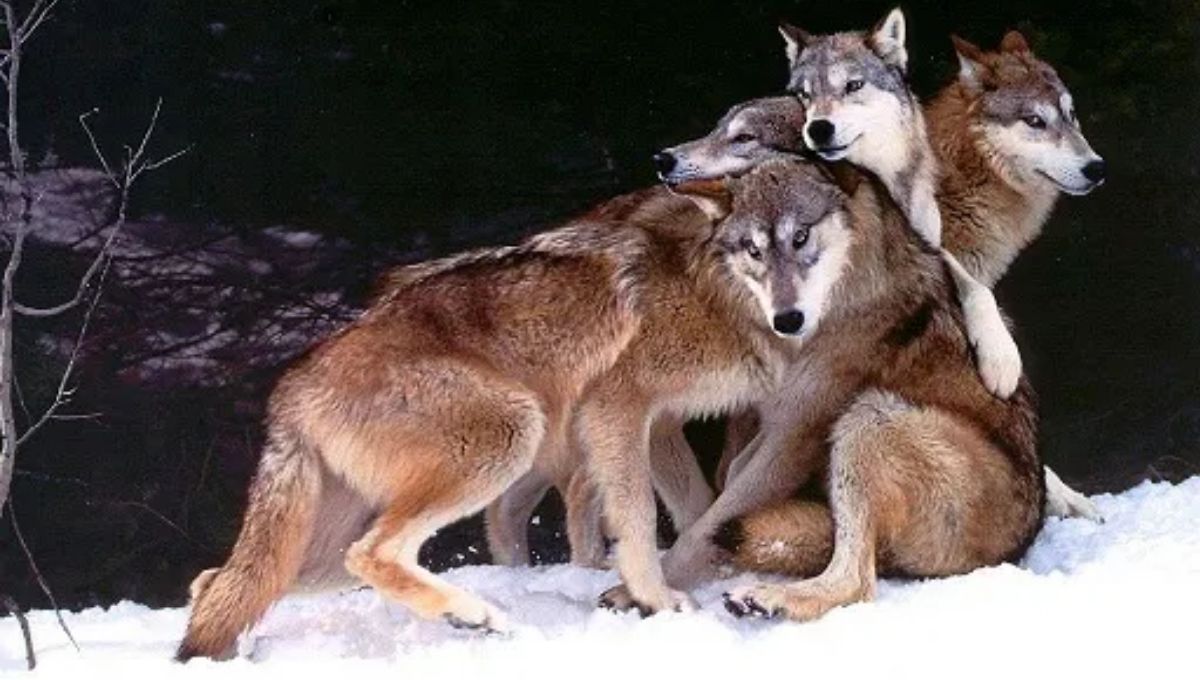
The term “lone wolf” emerged from observations of wolves that either left their packs or were outcast. Biologically, these wolves travel alone until they find a mate or form a new pack.
The term evolved into metaphor, symbolizing those who reject group norms or choose independent paths, often used in both heroic and tragic contexts, from outlaws to visionaries.
Examples of Lone Wolf
Fictional and historical figures alike have embodied the lone wolf spirit. From vigilante heroes in graphic novels to philosophers like Nietzsche, the lone wolf walks outside society’s circle. In modern psychology, it can describe someone deeply self-reliant, often misunderstood, but possessing a unique inner compass.
What It Means When You See a Wolf
Encountering a wolf — in nature or as a symbol — can be a profound experience. It may signal a call to trust your instincts, protect your boundaries, or reconnect with your inner strength.
Seeing a wolf is often viewed as a message to examine your loyalty, your independence, and your role within your “pack” — whether family, friendship, or career.
In many cultures, it is an omen of transformation. A wolf crossing your path can mean that you’re entering a phase of growth, but you must face fears and claim your power without hesitation.
Wolf Symbolism in Dreams: What Your Subconscious Is Telling You
Dreams involving wolves are rarely trivial. They carry psychological and spiritual depth — each scenario unlocking a layer of the dreamer’s psyche.
Dreaming of fighting a wolf or a wolf attack
Such dreams often reflect inner turmoil. The wolf may symbolize a threatening force, whether external (conflict, betrayal) or internal (anger, suppressed desire). Fighting a wolf may signify a struggle against instinctual drives or a confrontation with fear itself.
Dreaming of a wolf in motion
A running or moving wolf can denote freedom, a journey, or transition. It suggests that something in your life is shifting rapidly — a chase for truth, escape from restriction, or an approach toward destiny. Motion indicates action is needed; stagnation is not an option.
Dreaming of a wolf’s body
Focusing on a wolf’s physical form—eyes, teeth, fur—speaks to perception, survival, and intimacy. Sharp eyes may symbolize vigilance; teeth, aggression or readiness to defend; and fur, protection and comfort. These dreams often explore how you embody or resist your primal nature.
Other dream meanings
A pack of wolves might symbolize group dynamics — either support or threat. A howling wolf may echo a cry for recognition, longing, or spiritual guidance. A dead wolf may suggest betrayal, loss of power, or a need to let go of outdated fears.
What Wolves of Different Colors Symbolize
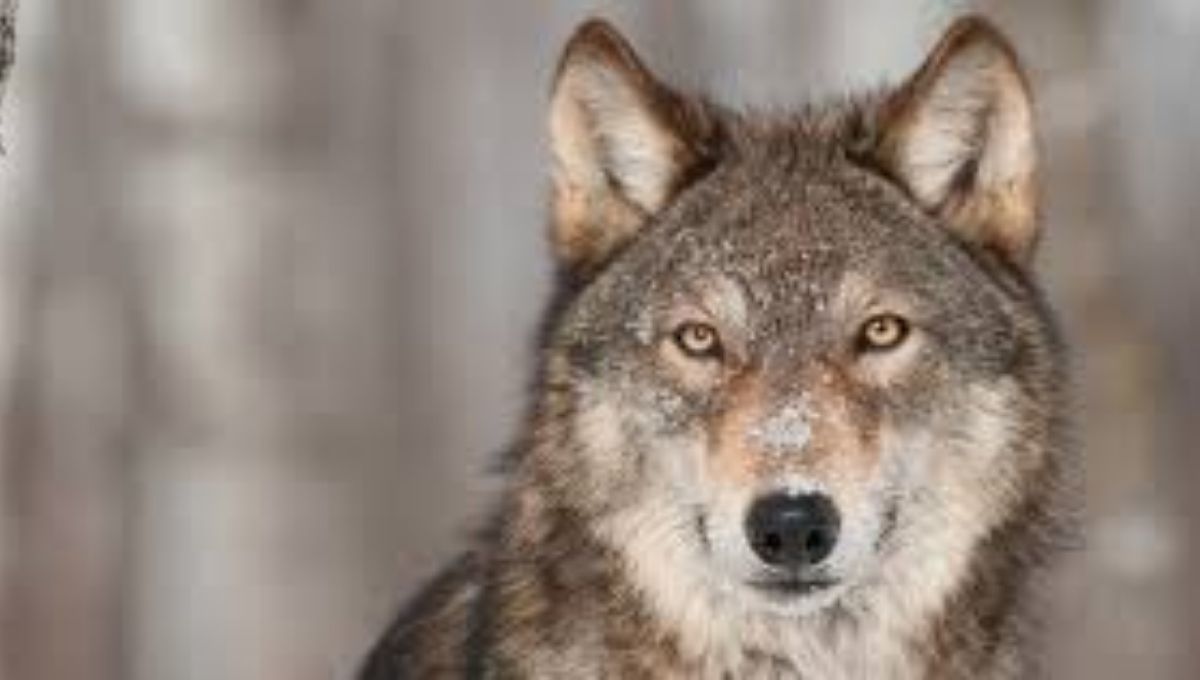
Color alters the interpretation of the wolf’s presence. Just as dreams are tinted with symbolism, so too are the hues of this mysterious animal.
White Wolf Meaning
The white wolf signifies purity, wisdom, and spiritual awakening. Often associated with guides or messengers from higher realms, it is seen as a protector and bringer of clarity. Its appearance may suggest that you are entering a time of enlightenment or need to align with your higher purpose.
Grey Wolf Meaning
The grey wolf embodies balance — the bridge between extremes. It represents neutrality, the sacred middle ground between dark and light. Seeing a grey wolf may encourage discernment, patience, and grounded decision-making in a time of uncertainty.
Black Wolf Meaning
The black wolf is a shadow figure — not evil, but mysterious. It symbolizes the unknown, repressed instincts, or spiritual testing. It may warn of hidden threats or call you to explore the darker recesses of your soul. It is not an omen of doom, but a guardian of secrets waiting to be unearthed.
FAQs
1. What does a wolf symbolize spiritually?
Spiritually, wolves symbolize intuition, guardianship, freedom, and transformation. They are often seen as guides through life’s spiritual challenges and personal growth.
2. What does it mean to see a wolf in real life or in dreams?
Seeing a wolf can signal a time of personal strength, self-discovery, or the need to protect boundaries. In dreams, wolves often reflect inner conflict, instinctual drives, or spiritual messages.
3. What does the term “lone wolf” mean?
The term “lone wolf” describes someone who chooses solitude over conformity, walking their own path with independence and self-reliance. It originates from wolves who leave or are excluded from their pack.
4. What do wolves of different colors represent?
- White wolf: purity, wisdom, and higher guidance
- Grey wolf: balance, neutrality, and grounded thinking
- Black wolf: mystery, hidden instincts, and spiritual testing
5. How is the wolf viewed across cultures and history?
Wolves have been seen as both sacred and feared—symbols of wild nature, leadership, cunning, nurturing, and strength. From Native American tribes to Norse myths, their meaning is rich and diverse.
Conclusion:
Wolves symbolize the wild soul of humanity — instinctual, intelligent, and fiercely loyal. Across cultures, dreams, and spiritual beliefs, the wolf reflects our deepest fears, strengths, and desires. Whether seen in nature or envisioned in dreams, it urges us to honor intuition, embrace solitude, and protect what truly matters.
Read More: