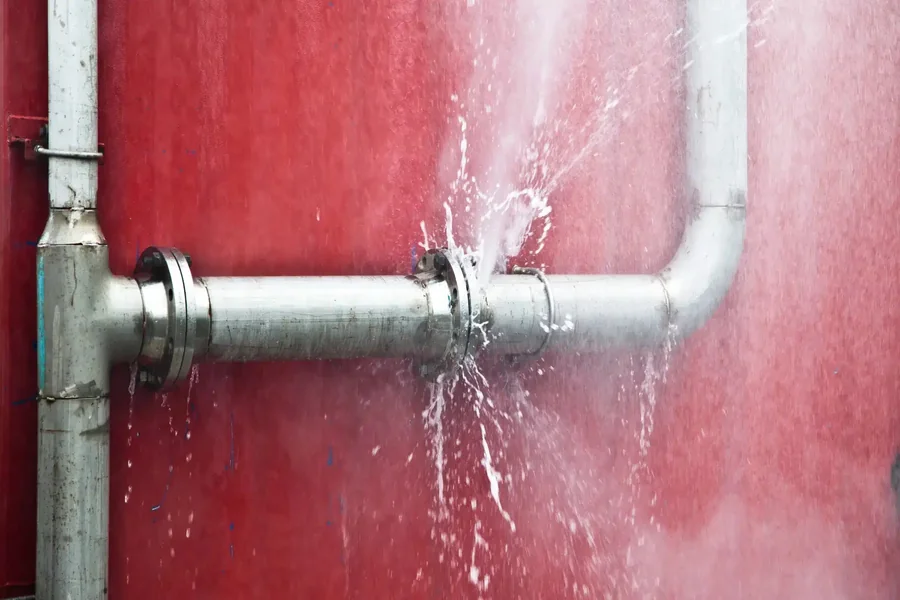

A burst pipe can disrupt a home or building within minutes, releasing large volumes of water into areas not designed to withstand prolonged exposure. Floors, walls, ceilings, and personal belongings can all be affected almost instantly. Beyond the visible damage, moisture can seep into structural materials, creating ongoing problems if not addressed promptly. Water damage restoration after burst pipes focuses on stabilizing the environment, removing excess moisture, and restoring affected areas to a safe, usable condition. Understanding this process helps property owners recognize why timely, structured restoration is essential to minimize long-term impact and support a full recovery.
Steps That Shape Effective Restoration
-
Immediate Response and Water Control
The priority after a pipe bursts is to control the water source and limit further spread. Shutting off the water supply prevents additional saturation and allows restoration efforts to begin. Standing water can quickly travel through flooring and into wall cavities, making an early response critical. In communities such as Lake Villa, IL, rapid response is especially important during colder months when burst pipes are more common. Water damage restoration begins with extracting visible water to reduce pressure on materials and prevent further absorption. This initial phase lays the foundation for subsequent steps by stabilizing the affected area and preventing further damage.
-
Moisture Assessment and Hidden Damage
Once surface water is removed, restoration shifts to identifying hidden moisture. Water from burst pipes often penetrates beneath floors, behind walls, and into insulation. These areas may appear dry on the surface while remaining saturated underneath. Restoration professionals use moisture readings and careful inspection to accurately map affected zones. Identifying hidden damage ensures drying efforts target all affected areas rather than just what is visible. This thorough assessment reduces the risk of lingering moisture that can compromise structural materials or lead to future issues.
-
Controlled Drying and Environmental Balance
Drying after a burst pipe requires balance, not speed alone. Materials such as wood, drywall, and subflooring release moisture at different rates. Controlled airflow and humidity management help these materials dry evenly, reducing the risk of warping, cracking, or weakening. Restoration efforts focus on restoring normal moisture levels rather than simply making surfaces feel dry. This controlled approach supports structural stability and prepares the space for repairs. Effective drying also helps prevent secondary damage caused by trapped moisture within building materials.
-
Cleaning and Sanitization After Water Exposure
Water released from burst pipes may contain contaminants from within the plumbing system or from surrounding materials. Even clean water can become compromised as it moves through walls and floors. Restoration includes cleaning and sanitizing affected surfaces to ensure safe conditions. This step supports indoor health and prepares materials for repair or replacement. Proper cleaning also helps remove residues that could cause odors or long-term deterioration. Sanitization is an essential bridge between drying and rebuilding, ensuring that restored spaces are safe for continued use.
-
Repairing Damaged Materials and Finishes
After drying and cleaning, restoration focuses on repairing or replacing damaged materials. Flooring, drywall, insulation, and trim may require partial or full replacement depending on the extent of saturation. Repairs aim to restore both function and appearance while ensuring structural integrity. Careful coordination of repairs helps prevent moisture from seeping behind new finishes. Thoughtful restoration prioritizes long-term performance rather than cosmetic fixes alone. This phase transforms the space from a damaged environment into one that feels stable and complete again.
-
Preventing Future Burst Pipe Incidents
Restoration after a burst pipe often includes identifying factors that contributed to the failure. Frozen sections, aging pipes, or pressure issues may increase risk. Addressing these factors helps reduce the likelihood of repeat incidents. Insulation improvements, pressure adjustments, or targeted pipe replacements support more resilient plumbing systems. While restoration focuses on recovery, prevention measures help protect the property moving forward. This proactive perspective adds lasting value to the restoration process.
-
Emotional and Practical Recovery Considerations
Water damage from burst pipes can be stressful, disrupting daily routines and causing uncertainty. Restoration efforts aim to reduce this stress by creating a clear, structured path toward recovery. Knowing that moisture is being addressed thoroughly and repairs are planned helps restore confidence. Practical recovery includes returning spaces to usable condition while minimizing disruption. Emotional recovery comes from regaining a sense of normalcy and security within the home. Restoration plays a role in both, supporting a smoother transition back to everyday life.
-
Coordination With Insurance and Documentation
While. While restoration focuses on physical recovery, documentation supports the administrative side of the process. Recording damage and restoration steps helps align repair efforts with insurance requirements. Clear documentation ensures transparency and reduces confusion during claims. Coordination between restoration work and administrative needs helps streamline recovery. This organization supports timely decision-making and reduces delays that can prolong disruption.
-
Long-Term Impact of Proper Restoration
Proper water damage restoration after burst pipes has lasting effects on a property’s condition. Thorough moisture removal and careful repairs help preserve structural strength and indoor comfort. Comprehensive damage assessment reduces the risk of future issues related to hidden moisture or weakened materials. Long-term stability depends on how well restoration is executed in the early stages. Investing attention in each phase of restoration supports a healthier, more resilient property.
Water damage restoration after a burst pipe is a structured process that extends beyond surface cleanup. From immediate water control and moisture assessment to drying, cleaning, and repair, each step helps protect the property’s integrity. Addressing hidden moisture and restoring materials carefully helps prevent long-term complications. Understanding this process underscores why timely, thorough restoration is essential after a pipe burst. With the right approach, affected spaces can be restored safely, supporting stability, comfort, and peace of mind moving forward.