

How can businesses meet rising customer expectations while keeping operational costs under control? What warehousing strategies deliver the speed, accuracy, and flexibility needed in today's competitive marketplace?
In today's fast-paced business environment, warehousing has evolved from a simple storage function into a strategic component of supply chain management. Companies face growing pressure to provide faster delivery, greater inventory accuracy, and seamless order fulfillment. To stay competitive, businesses are embracing innovative warehouse technologies while continuing to rely on proven traditional solutions that provide stability and efficiency. The most successful organizations understand that the future of warehousing lies in combining cutting-edge innovation with time-tested practices.
The Rise of Modern Warehousing Innovations
Technological advancements have transformed warehouse operations across industries. Automation, data analytics, and smart systems are helping businesses improve productivity while reducing operational costs.
Warehouse Management Systems (WMS)
A Warehouse Management System has become one of the most valuable tools in modern warehousing. WMS software provides real-time visibility into inventory levels, storage locations, order processing, and workforce performance. By automating inventory tracking and reducing manual data entry, businesses can minimize errors and improve order accuracy.
Modern WMS platforms integrate seamlessly with enterprise resource planning (ERP) systems, transportation management systems, and e-commerce platforms. This connectivity enables businesses to manage inventory more efficiently and respond quickly to changing customer demands.
Automation and Robotics
Warehouse automation continues to gain momentum as companies seek to increase efficiency and reduce labor-intensive tasks. Automated guided vehicles (AGVs), autonomous mobile robots (AMRs), and robotic picking systems are increasingly common in distribution centers.
These technologies can transport goods, sort products, and assist with order fulfillment around the clock. Automation not only improves speed and consistency but also helps businesses address labor shortages and reduce workplace injuries associated with repetitive tasks.
Internet of Things (IoT) Technology
IoT devices are revolutionizing warehouse visibility. Smart sensors can monitor inventory movement, temperature, humidity, and equipment performance in real time. Businesses handling perishable goods, pharmaceuticals, or sensitive products particularly benefit from this technology.
By collecting and analyzing operational data, warehouse managers can identify inefficiencies, predict maintenance needs, and make informed decisions that improve overall performance.
Artificial Intelligence and Predictive Analytics
Artificial intelligence (AI) is enabling warehouses to become more proactive rather than reactive. AI-powered analytics can forecast demand patterns, optimize inventory levels, and improve space utilization.
Predictive analytics helps businesses avoid stock shortages and excess inventory by providing accurate demand forecasts. This capability is especially valuable in industries where consumer preferences and market conditions change rapidly.
Drones for Inventory Management
Some warehouses are experimenting with drones to conduct inventory audits and stock verification. Drones equipped with cameras and scanning technology can navigate warehouse aisles quickly, reducing the time required for inventory counts.
Although still emerging, drone technology demonstrates the potential for further improvements in warehouse efficiency and inventory accuracy.
Traditional Warehousing Solutions That Continue to Deliver Value
While innovation attracts significant attention, many traditional warehousing solutions remain highly effective. These established practices provide reliability, flexibility, and cost-efficiency for businesses of all sizes.
Strategic Warehouse Layout Design
A well-organized warehouse layout remains one of the most important factors in operational success. Proper slotting, clear aisle design, and logical product placement can significantly reduce travel time and improve picking efficiency.
Businesses that regularly evaluate and optimize their warehouse layouts often achieve substantial productivity gains without major capital investments. In many cases, improving physical organization can deliver results comparable to technology upgrades.
Manual Quality Control Processes
Despite advances in automation, human oversight continues to play a critical role in maintaining quality standards. Manual inspections help identify damaged goods, labeling errors, and packaging issues that automated systems may occasionally miss.
Many successful warehouses combine automated processes with targeted human quality checks to ensure high levels of accuracy and customer satisfaction.
Forklifts and Material Handling Equipment
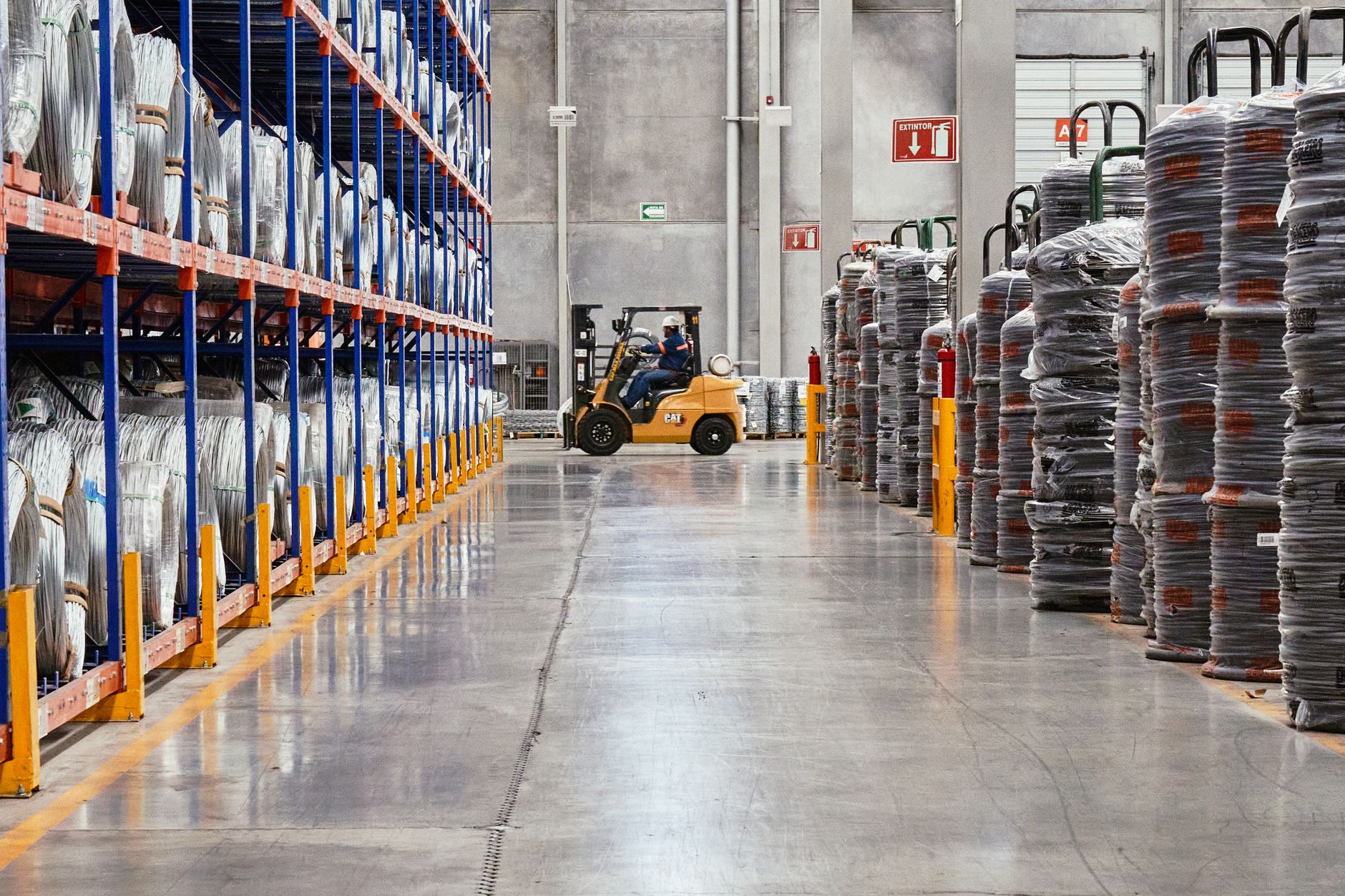
Traditional material handling equipment remains essential in modern warehouse operations. Forklifts, pallet jacks, conveyors, and shelving systems continue to provide dependable and cost-effective solutions for moving and storing inventory.
For businesses that experience seasonal demand fluctuations or temporary capacity increases, useful forklift hire can offer a flexible and economical alternative to purchasing additional equipment outright. Recent improvements in equipment design have also enhanced safety and energy efficiency, but the fundamental value of these tools remains unchanged.
Cycle Counting and Inventory Audits
Regular inventory audits and cycle counting have long been best practices in warehouse management. These methods help maintain inventory accuracy, identify discrepancies, and prevent costly stock issues.
Even with advanced inventory tracking systems, physical verification remains an important safeguard. Businesses that consistently perform cycle counts often experience fewer inventory-related disruptions and improved customer service.
Workforce Training and Operational Discipline
Technology alone cannot guarantee warehouse success. Skilled employees and standardized operating procedures remain critical components of efficient operations.
Ongoing workforce training helps employees understand safety protocols, inventory handling requirements, and operational best practices. A well-trained workforce can adapt more effectively to new technologies while maintaining high performance standards.
Finding the Right Balance
The most effective warehousing strategies do not rely exclusively on innovation or tradition. Instead, they combine the strengths of both approaches.
For example, a business may implement a modern WMS to improve inventory visibility while maintaining proven cycle-counting procedures for inventory verification. Similarly, automated picking systems can operate alongside experienced warehouse staff who oversee quality control and exception handling.
This balanced approach allows businesses to maximize efficiency while minimizing risk. It also enables organizations to adopt new technologies gradually, ensuring smooth implementation and employee acceptance.
The Future of Warehousing
As customer expectations continue to evolve, warehousing will remain a key driver of business success. Emerging technologies such as AI, robotics, and IoT will continue to shape the industry, offering new opportunities for optimization and growth.
However, traditional warehousing principles—efficient organization, quality control, inventory accuracy, and workforce development—will remain equally important. Businesses that successfully integrate innovative solutions with proven operational practices will be best positioned to thrive in an increasingly competitive marketplace.
By combining modern technology with established warehousing fundamentals, organizations can create resilient, scalable, and cost-effective operations that support long-term business growth and customer satisfaction.