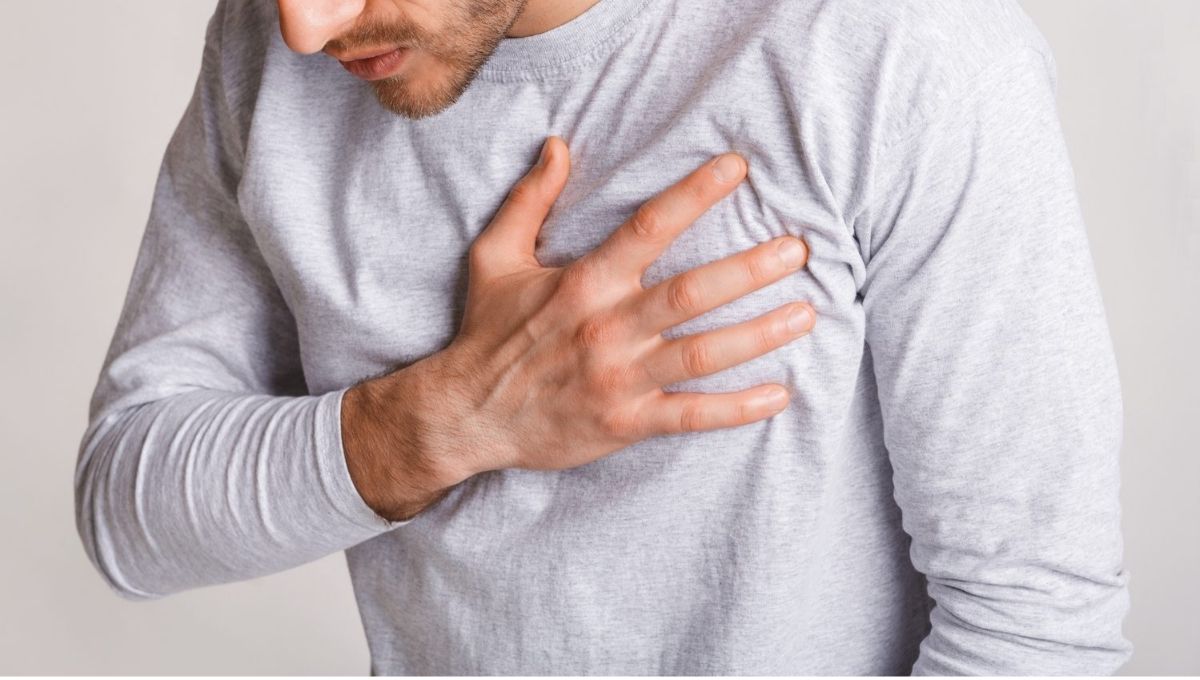

Few things feel more frightening than suddenly waking up in the night, lungs desperate for air, mouth open in panic. While medical science gives physical reasons, the spiritual world offers deeper meanings—like a soul trying to awaken, a sign from the universe, or a blocked energy needing release. This article looks at both the spiritual signs and real-life causes behind this nighttime event.
What It Means When You Wake Up Gasping for Air

This sudden and uncontrollable reaction may mean more than just a physical problem. Spiritually, it might be a sign to become more aware or connected—a deep push to wake up emotionally or spiritually. For some, it marks a shift in their soul’s journey. For others, it’s the body’s way of speaking out about hidden emotions or ignored truths.
How Gasping Affects Your Body and Mind
Gasping activates your body’s emergency response system. Stress hormones rise, the heart beats faster, and muscles tighten. Mentally, it brings fear, confusion, or even a deep feeling of dread. When it happens often, it can lead to poor sleep and emotional exhaustion. The fear of it happening again can itself cause sleep problems, creating a repeating cycle.
Spiritual Meaning of Interrupted Breathing During Sleep

Breath is sacred in almost every spiritual tradition. It represents life energy—called prana, chi, or spirit in many cultures. When it gets disturbed during sleep, it might mean more than just a physical issue. It could reflect blocked emotions, unspoken sadness, or energy stuck in the body. The soul may be trying to move through something, and the body reacts by gasping.
Medical Reasons Why You Might Wake Up Gasping
There are several medical reasons for this: sleep apnea, acid reflux (GERD), mucus in the throat (post-nasal drip), anxiety attacks, or heart problems. Sometimes the body wrongly senses danger and reacts with panic. Other times, there is a real problem. Understanding the cause is key to finding peace and better sleep.
What Is Sleep Apnea? A Common Cause of Nighttime Gasping
Sleep apnea is a condition where breathing stops and starts repeatedly during sleep. In Obstructive Sleep Apnea (OSA), relaxed throat muscles block the airway. This causes snoring, choking, and gasping for air. If untreated, it can lead to tiredness, heart problems, and trouble focusing.
Central Sleep Apnea: A Brain-Related Breathing Issue
This less common type of sleep apnea happens when the brain doesn’t send the right signals to control breathing. It’s often linked to brain or heart conditions. The gasping is sudden and quiet—caused by a hidden communication issue in the body’s system.
Can Anxiety or Panic Attacks Cause Nighttime Gasping?
Yes. Anxiety disorders, especially panic attacks, can cause sudden nighttime gasping. The person may wake up suddenly, chest tight, heart racing, with no clear reason. Spiritually, this could be the mind trying to release old emotional pain or spiritual blockages that surface when the conscious mind is asleep.
How Post-Nasal Drip Can Trigger Nighttime Breathing Issues
When mucus builds up in the throat, it can cause coughing, choking, or hard breathing—especially when lying down. While it may seem minor, post-nasal drip can disturb sleep and feel like a serious issue. It quietly affects breathing night after night.
How Acid Reflux Can Cause Breathing Problems at Night

At night, acid from the stomach can move up into the throat or airway, causing coughing, hoarseness, or gasping. You may not feel the burning right away. Emotionally, this may be linked to anger or emotions you haven’t let out—what some call “burning inside.”
Can Heart Failure Make You Wake Up Gasping for Air?
Yes—especially a condition called paroxysmal nocturnal dyspnea, where lying flat lets fluid gather in the lungs. The person may wake up coughing, choking, or feeling like they are drowning. It’s a serious warning and needs fast medical attention. Spiritually, it may show a heavy emotional load that’s too much for the heart.
Signs of Heart-Related Breathing Problems at Night
- Trouble breathing when lying flat
- Waking up coughing or gasping
- Fast heartbeat or chest tightness
- Swelling in the legs or feet
- Ongoing tiredness
If these signs happen, see a doctor right away.
Asthma and Nighttime Breathing Disturbances
Nighttime asthma, often triggered by dust or cool air, can narrow airways during sleep. You might not fully wake up, but still feel like you’re not getting enough air. Spiritually, this may reflect areas of your life where you feel limited, held back, or unable to express yourself.
What Does It Mean Spiritually to Wake Up Gasping?
Spiritually, this may point to a soul feeling stuck or blocked—unable to express, grow, or shine. It could be a strong push from within to make changes, heal, or face something important. These episodes often show up during times of personal growth or deep emotional shifts.
Understanding the Deeper Spiritual Messages Behind It
These gasping moments are not random. They might be a signal of blocked energy, missed life purpose, or feelings pushed down for too long. Your body and soul are deeply connected. When words fail, breath speaks. Notice patterns, dreams, and feelings that come with these events.
What Different Spiritual Paths Say About This Experience
- Hinduism: May point to blocked energy centers (chakras), especially in the throat or heart.
- Buddhism: Could reflect unfinished emotional or spiritual cycles (karma).
- Christian mysticism: May be seen as a call from the divine for spiritual awakening.
- Indigenous traditions: Might be viewed as a visit from spirits or ancestors.
Each view invites personal reflection rather than fear.
Symbolism Behind Struggling to Breathe at Night
Breathing stands for freedom and letting go. When breathing stops, even for a moment, it can represent fear, control, or living a life that doesn’t match your true self. The night makes this clearer—when all distractions are gone, your deeper truths rise.
How to Heal: Holistic Ways to Improve Nighttime Breathing
Healing involves both body and soul. Clear your airways, relax your nervous system, and eat well. At the same time, nourish your spirit through prayer, journaling, energy work, or quiet rest. Healing takes time. Be patient—it’s a sacred process.
How is Waking up Gasping for Air Treated?
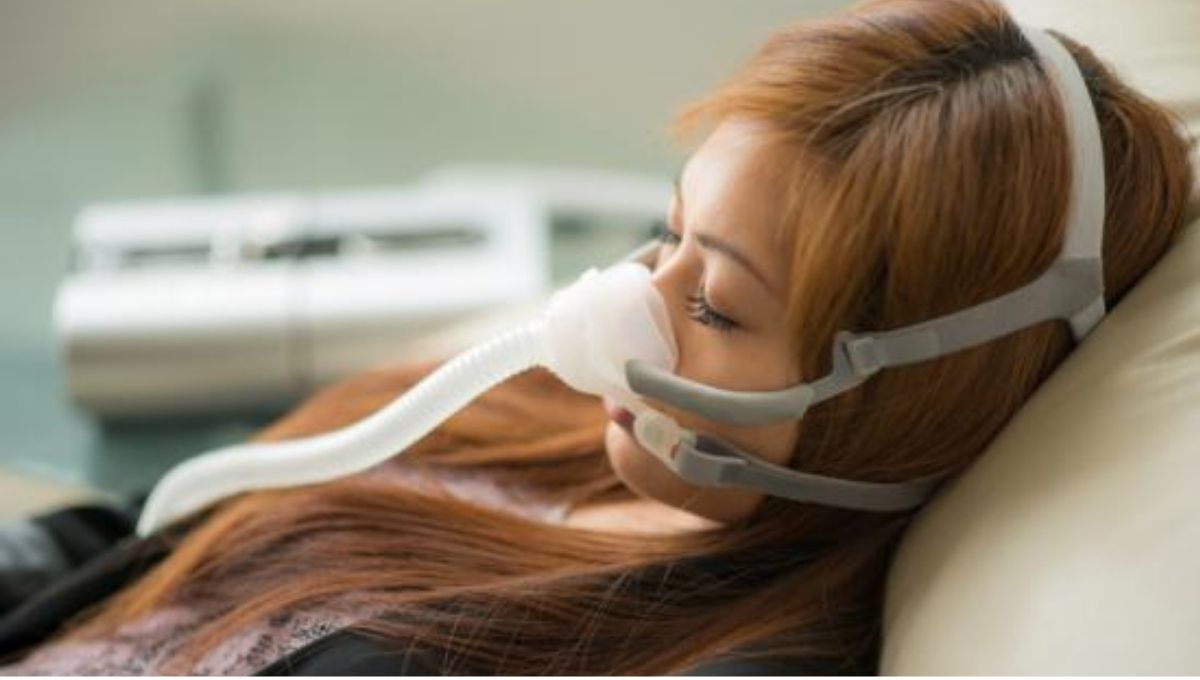
Treatment depends on the cause. Doctors may suggest a breathing machine (CPAP), medication for anxiety, or acid blockers for reflux. Still, creating a peaceful, balanced sleep space is just as important—for both your body and your soul.
Relief from Post-Nasal Drip for Better Breathing
- Sleep with your head raised
- Use a saltwater rinse or humidifier
- Avoid triggers like dairy or dust
- Drink plenty of water
These steps help restore calm, steady breathing.
Here’s What You Can Do:
- Keep a journal of your sleep experiences
- Do calming breath exercises before bed
- Try meditations for peace and safety
- Get both medical and spiritual support
Self-awareness is the first step toward healing.
How to Reduce Hypnagogic Jerks That Wake You Up
These quick muscle jumps, often with a falling feeling, can shock your breathing. To prevent them:
- Don’t drink caffeine late in the day
- Stick to a regular sleep schedule
- Stretch or do light yoga before bed
- Take magnesium if advised
These jerks may also reflect inner fears—like fear of losing control or letting go.
Tips for Managing These Episodes Effectively
- Stay calm—don’t panic
- Touch something solid or focus on breathing
- Keep a glass of water near your bed
- Gently accept the fear without adding to it
You have the strength to face the moment.
Managing Anxiety and Panic That Affects Your Sleep
Work gently with your body and mind. Try:
- Therapies like CBT (Cognitive Behavioral Therapy)
- Herbal teas or calming herbs like chamomile
- Soothing bedtime rituals—journaling, music, or candlelight
- Turn off screens an hour before bed
These habits help your system relax and feel safe.
Natural and Holistic Ways to Heal
- Energy therapies like Reiki or acupuncture
- Calming scents like lavender or sandalwood
- Breath-based practices like pranayama or qigong
- Positive sleep phrases or peaceful visualizations
These gentle tools support healing for both body and spirit.
How to Treat Obstructive Sleep Apnea at Home and Clinically
- Lose weight if needed
- Sleep on your side, not your back
- Use CPAP or BiPAP machines
- Try oral devices
- Surgery may be needed in rare cases
Don’t ignore OSA—it affects your heart, brain, and peace of mind.
What Full Treatment for OSA Looks Like
A full healing plan includes:
- A sleep study to confirm the diagnosis
- Use of breathing devices if needed
- Lifestyle changes like diet and sleep habits
- Regular check-ups
- Mental health support if fear or trauma is involved
Treating OSA is not just about breathing—it’s about whole-life healing.
FAQs
1. What does it mean spiritually when you wake up gasping for air?
It may mean spiritual growth, blocked energy, or hidden emotions surfacing during sleep.
2. Can sleep apnea cause you to wake up gasping for air?
Yes, it can interrupt breathing and cause sudden waking, choking, or gasping.
3. Is anxiety a reason for gasping for air at night?
Yes. Nighttime panic attacks linked to anxiety can cause sudden gasping.
4. What are the medical causes of waking up gasping for air?
Causes include sleep apnea, acid reflux, mucus in the throat, anxiety, or heart issues.
5. How can I stop waking up gasping for air naturally?
Try breath exercises, sleeping with your head raised, reducing stress, and using spiritual tools like meditation.
Conclusion:
Waking up gasping for air is more than just a sleep issue—it can be a signal from both your body and your soul. Whether it comes from a health problem or emotional tension, it’s an invitation to heal fully. By understanding both the physical and spiritual sides, you can bring peace to your nights and harmony to your breath—the rhythm that connects you to life.
Read More: