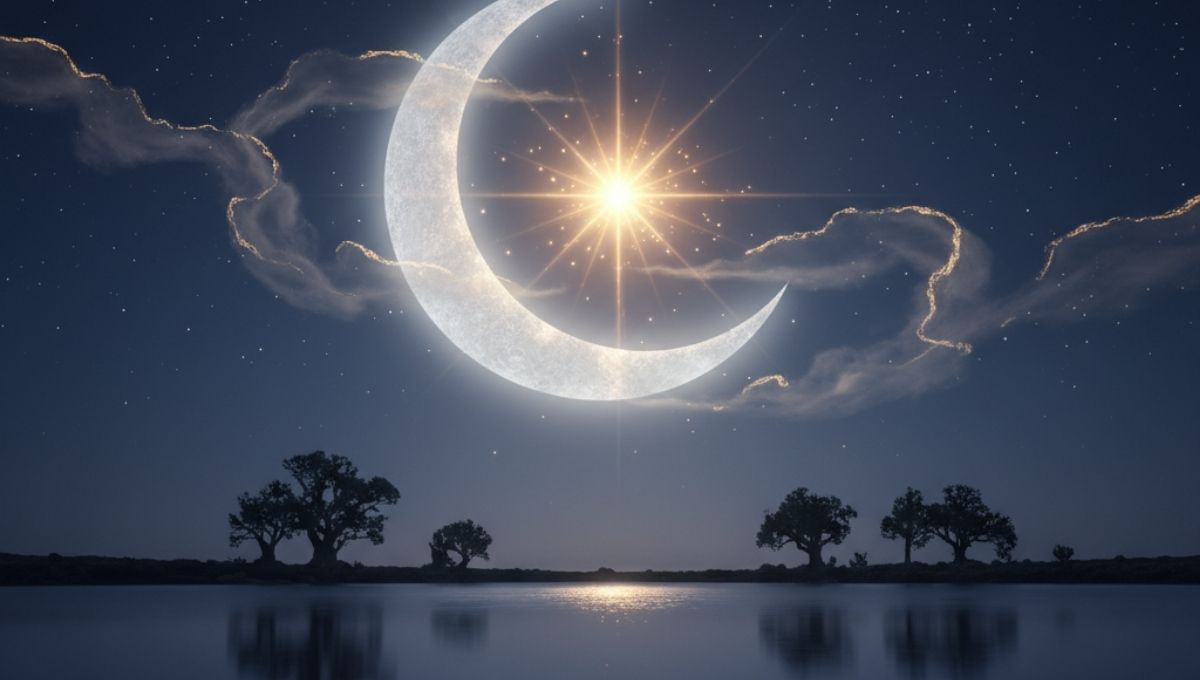

The crescent and star have inspired people for centuries, crossing boundaries of culture, religion, and belief. Their graceful shape, glowing in the night sky, has long stood for divine connection, spiritual awakening, and universal balance. From North Africa to Southwest Asia, this celestial design has appeared on amulets, jewelry, flags, and rings, representing power, heritage, and sacred identity. Whether engraved in silver, shaped in gold, or painted in ancient art, the crescent moon and star remain lasting symbols of magic, tradition, and spiritual meaning.
Historical Roots of the Crescent and Star Symbol
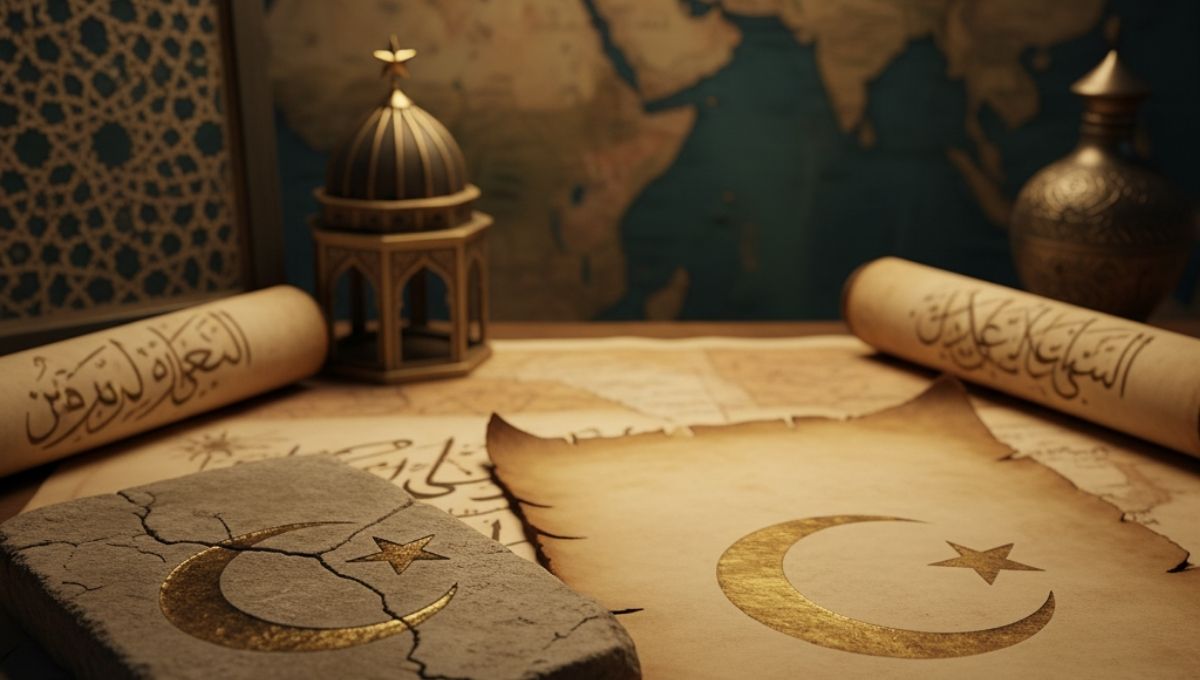
The history of the crescent and star is deeply tied to cultural and spiritual growth. In Mesopotamian, Greco-Roman, and early Islamic societies, this symbol reflected the connection between the sun, moon, and the universe. Ancient people studied stars like Venus, Sirius, and Canopus to plan farming seasons and harvests. A crescent near a bright star became a picture of fertility, growth, and life. Over time, the symbol appeared in art, architecture, and religion, representing light, creation, and balance in the world.
Islamic Symbolism and Religious Meaning
In Islam, the crescent and star are sacred symbols of God’s power and guidance. The crescent moon marks the lunar calendar, guiding important times like Ramadan and Shawwal, representing new beginnings, reflection, and faith. It reminds believers of God’s light that brings hope even in darkness. From Syria to Oman, craftsmen created gold and silver pendants, turning faith into lasting cultural heritage.
Turkish and Ottoman Influence on the Symbol
The Ottoman Empire made the crescent moon and star a national symbol of unity, faith, and strength. It appeared on flags, mosques, and rings, showing spiritual pride. Later, countries like Pakistan and Tunisia adopted it, joining ancient traditions, beliefs, and cosmic symbolism into a shared symbol of identity and faith.
Exploring the Deeper Spiritual Meanings of the Crescent Moon and Star
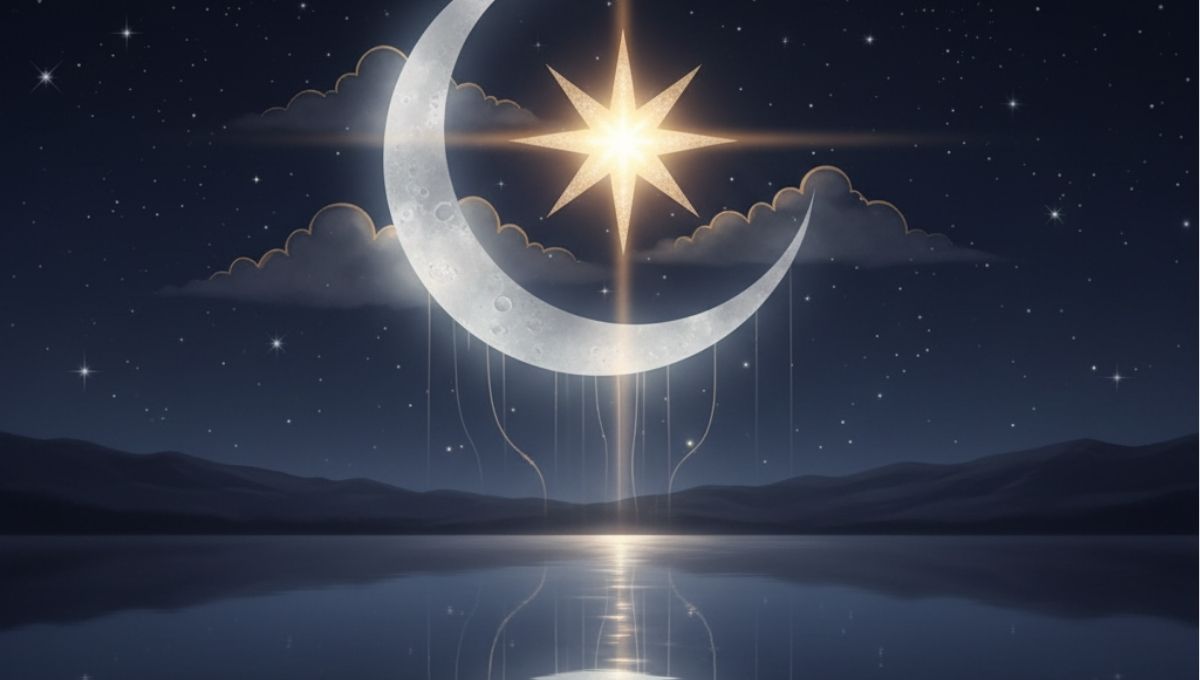
Spiritually, the crescent and star reflect change, growth, and renewal. The crescent shows life’s phases — light and dark, creation and ending. The star stands for hope, wisdom, and divine light. Together, they show balance and harmony in both the universe and human life, teaching that light always follows darkness.
Crescent Moon and Star Spiritual Meaning
The crescent moon represents intuition, change, and feminine power, while the star stands for faith, guidance, and enlightenment. Together, they link the physical and spiritual worlds. Whether seen in the sky, worn as jewelry, or carved on amulets, this symbol reminds us of hope, creation, and divine energy.
Crescent Moon and Star Meaning in Love and Relationships
In love, the crescent and star show devotion, trust, and balance. The crescent represents growth and nurturing, while the star symbolizes faith and loyalty. Couples wearing these symbols believe they bring light, protection, and harmony, reflecting the balance of love in the universe.
Crescent Moon and Star Tattoo Meaning
A crescent and star tattoo shows faith, rebirth, and inner change. It’s a sign of intuition and guidance, often mixed with cosmic or magical art. Many pair it with sun rays or other stars, symbolizing life’s dual nature — light and darkness, strength and softness.
Crescent Moon and Star Meaning in Astrology
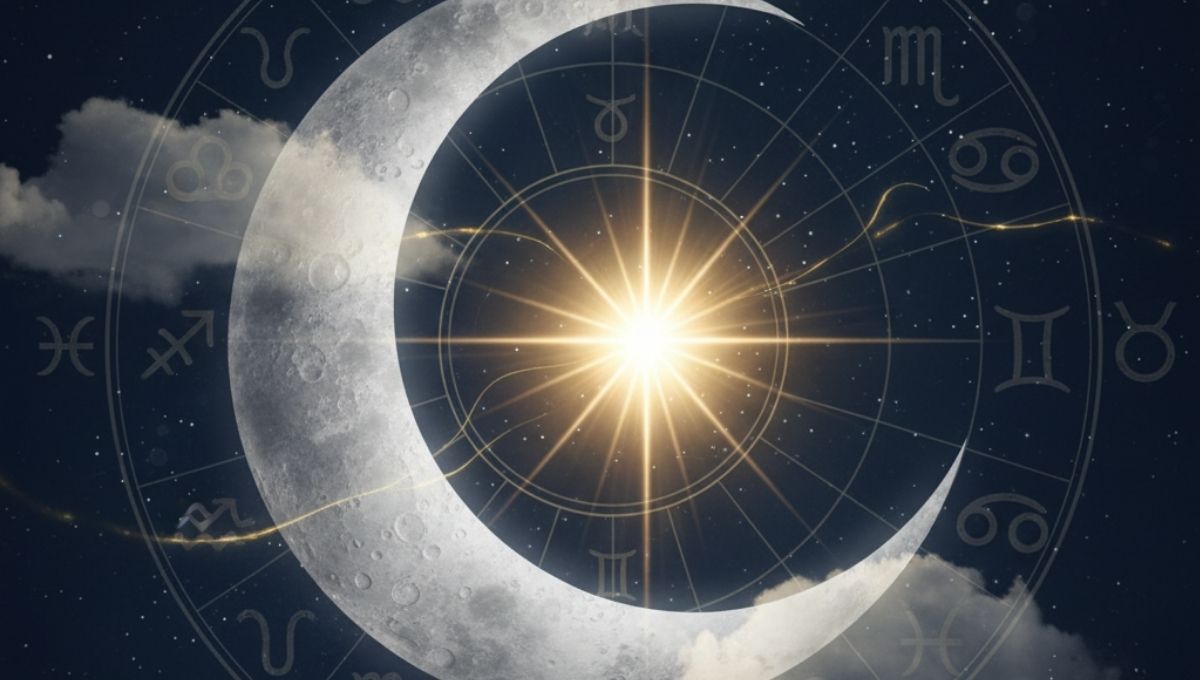
In astrology, the crescent represents emotional growth and spiritual insight, while the star stands for luck, fate, and balance. Ancient tribes like the Bedouins saw these symbols as signs of rain, fertility, and prosperity, linking heavenly forces to earthly abundance.
Crescent Moon and Star in Christianity
In Christian art, the crescent is often shown under the Virgin Mary, symbolizing purity, protection, and rebirth. The star above represents hope and God’s guidance. Together, they show the connection between heavenly grace and earthly life, blending faith and light.
Half Moon and Star Tattoo Meaning
The half moon and star represent change, reflection, and hope. The half moon shows transition, while the star adds light and guidance. This design celebrates the balance between growth and peace, reflecting the flow of life and spiritual change.
The Crescent Symbol in Mythology and Religion
In ancient myths, the crescent represented goddesses and divine energy. In Egypt, it was linked to Isis, the goddess of life. In Greece, it symbolized Artemis, the goddess of strength and protection. In Hinduism, Chandra, the moon god, carried the crescent as a sign of wisdom and creativity. Across cultures, it has always meant balance, growth, and renewal.
Modern Spirituality and the Use of the Crescent Moon and Star
In modern spirituality, the crescent and star symbolize intuition, manifestation, and feminine power. Wiccan and Celtic traditions see it as a symbol of life’s cycles — birth, death, and rebirth. It is used in meditation, rituals, and art, reminding people of inner light and spiritual awakening.
Table: Cultural Interpretations of the Crescent and Star Symbol
| Culture/Religion | Symbolic Meaning | Common Materials | Associated Themes |
| Islamic | Faith, divine power, renewal | Silver, Gold | Spirituality, unity |
| Christian | Purity, protection, rebirth | Gold, Marble | Grace, guidance |
| Hindu | Fertility, wisdom, energy | Silver, Brass | Creation, duality |
| Greek/Roman | Feminine strength, luck | Silver, Bronze | Magic, protection |
| Modern/Wiccan | Intuition, manifestation | Crystal, Silver | Feminine energy, light |
Conclusion:
The crescent moon and star represent spiritual unity, growth, and hope. Across different faiths and cultures, they remind us of light through darkness and the balance between heaven and earth. Whether in faith, art, or jewelry, this symbol continues to shine as a sign of guidance and divine energy.
Read More:
What’s the Spiritual Meaning of Singing in a Dream?
Pheasant Spiritual Meaning: Symbolism, Dreams & Cultural Insights
Betelgeuse Spiritual Meaning: Symbolism, Guidance & Insights