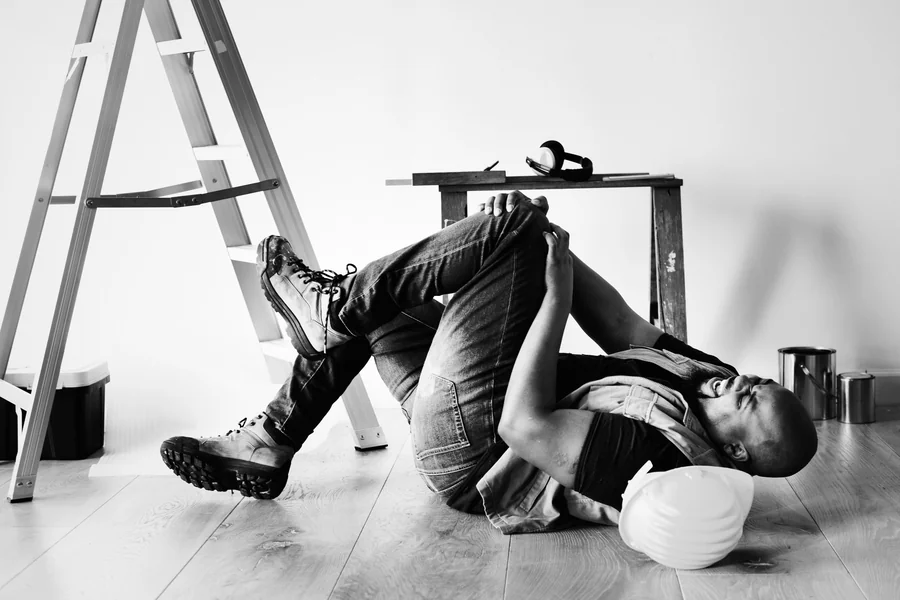

Slip and fall accidents are among the most frequent causes of injuries in the United States, sending millions of people to hospitals every year. These accidents may seem simple or unavoidable, but many are the direct result of negligence—such as poor maintenance, unsafe walkways, or failure to warn about hazards.
Slip and fall injuries can lead to broken bones, head trauma, spinal cord damage, or long-term mobility challenges. Victims often face significant medical bills, time away from work, and lasting pain. A slip and fall lawyer at the Bruning Law Firm can help injured individuals understand their rights and pursue compensation after an accident caused by unsafe property conditions.
Slip and fall accidents can happen anywhere, but certain environments present a higher risk due to heavy foot traffic, weather exposure, or the responsibility of property owners to maintain safety. Recognizing the most common locations can help people stay aware and protect themselves and their loved ones.
1. Grocery Stores and Retail Stores
Grocery stores and retail shops are among the leading locations for slip and fall accidents. Spilled liquids, broken items, or recently mopped floors create dangerous walking surfaces.
A simple spill near the produce aisle or a dropped beverage near checkout can put shoppers at immediate risk. Employees are required to clean hazards quickly and place warning signs when necessary. When staff fail to monitor aisles appropriately, customers can suffer serious injuries.
2. Restaurants and Food Courts
Food and drinks are constantly being carried, consumed, and spilled in restaurants, cafés, and mall food courts. Wet floors, greasy kitchen areas, and cluttered walkways contribute to falls.
Dim lighting in some restaurants can also make hazards hard to see. Because restaurant owners must ensure safe conditions for guests and staff, ignored or unattended hazards may result in legal responsibility.
3. Parking Lots and Parking Garages
Parking lots are another high-risk area due to uneven pavement, potholes, oil slicks, poor lighting, and snow or ice in winter months. Because people are often distracted while loading cars, talking on phones, or carrying bags, they may not notice hazards until it’s too late. Property owners must regularly inspect and maintain these areas to prevent accidents.
4. Sidewalks and Walkways
Public sidewalks, private walkways, entrances to businesses, and stairways are frequent locations for slip and fall incidents. Cracks in pavement, loose tiles, broken handrails, or accumulated snow and ice create danger for pedestrians. Falls on walkways can lead to severe injuries since they often occur near hard concrete or steps. Local laws typically require property owners to remove ice and snow within a reasonable time period after storms.
5. Hotels and Resorts
Hotels experience heavy foot traffic, making safety inspections crucial. Slippery pool decks, uneven flooring, poorly maintained staircases, and spills in dining or lobby areas are common hazards.
Guests unfamiliar with their surroundings may also be more vulnerable to unexpected dangers. When hotels fail to uphold proper maintenance standards, they may be liable for resulting injuries.
6. Workplaces and Industrial Sites
Workplaces, including offices, warehouses, construction areas, and manufacturing facilities, often present slip and fall risks. Wet floors, loose cables, defective equipment, and cluttered workspaces can lead to serious employee injuries. Employers must follow safety regulations and provide proper training, signage, and maintenance. In modern warehouse environments, adopting Yard management Software can also help reduce on-site hazards by improving real-time visibility and eliminating paper-based inefficiencies, as demonstrated by innovative systems highlighted by DataDocks.
Key Takeaways
- Slip and fall accidents commonly occur in grocery stores, restaurants, parking lots, sidewalks, hotels, and workplaces.
- These accidents are often caused by hazards like wet floors, uneven pavement, poor lighting, clutter, or weather-related conditions.
- Property owners must maintain safe environments and warn people about dangerous conditions.
- Slip and fall injuries can lead to serious physical, emotional, and financial consequences.
- If negligence is involved, victims may pursue compensation with help from an experienced attorney.