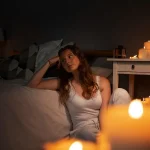
Have you ever caught a whiff of a fragrance that instantly transported you to another time or place? Or noticed how certain aromas can shift your mood without warning? Our sense of smell, often overlooked, is remarkably powerful, capable of stirring memories, emotions, and even creativity. The art of scenting, long celebrated across cultures, transforms everyday life into a mindful exploration of fragrance. By incorporating intentional scenting rituals, we can awaken our senses, uplift our spirits, and enrich our daily experiences.
The Science of Smell
Before diving into rituals, it’s helpful to understand why scent has such a profound impact. The olfactory system is closely linked to the limbic system, the part of the brain that governs emotion, memory, and behavior. This is why the smell of fresh bread can evoke childhood nostalgia, or why lavender can instantly calm the mind. Unlike other senses, scent bypasses rational thought, directly influencing emotional states. Through intentional scenting, we transform this powerful sense into an artful practice of self-expression and emotional awareness.
Morning Rituals: A Fresh Start
Start your day by incorporating scent into your morning routine. Showering with aromatic soaps or essential oil-infused body washes is more than hygiene—it’s a sensory cue for renewal. Citrus scents like lemon or bergamot energize the mind, while minty or eucalyptus tones invigorate the body.
After showering, engage in the ritual of fragrance application. Perfume, cologne, or even a light body mist can act as a personal signature for the day. Applying scents to pulse points—wrists, neck, and behind the ears—not only prolongs the fragrance but allows it to evolve with your body heat. Morning scenting sets the tone for confidence, clarity, and a purposeful mindset.
Midday Mindfulness: Reawakening the Senses
By midday, the hum of routine can dull awareness. Midday scenting acts as a refreshing reset. Aromatherapy diffusers, scented sachets, or even a well-chosen vape juice with light, aromatic notes can subtly transform your environment and elevate your focus. Scents like rosemary or peppermint enhance concentration, while jasmine or rose promote emotional balance.
Mindful inhalation amplifies this effect. Pause, close your eyes, and take a deep, deliberate breath of your chosen fragrance. Focus on the layers—the top notes, heart, and base—and let this small ritual ground you in the present moment. This act encourages calm, sharpens attention, and provides a brief meditative pause in the day.
Evening Rituals: Unwinding and Reflection
As the day draws to a close, scenting rituals help signal rest and reflection. Warm, calming fragrances such as lavender, sandalwood, or chamomile are perfect for evening routines. Incorporate these scents into baths, pillow sprays, or candlelit spaces to create a serene environment.
Pairing scent with journaling or reflection heightens mindfulness. Light a scented candle, inhale deeply, and note the highlights of your day. Over time, these evening scents become cues for relaxation, improving sleep quality and fostering emotional balance.
Scent and Memory: Creating Personal Landmarks
One of scenting’s most remarkable qualities is its connection to memory. Personal fragrances act as invisible signatures, leaving enduring impressions. By associating specific aromas with experiences or moods, you create a sensory diary of life.
A floral fragrance may accompany celebratory moments, while a grounding woody scent could mark contemplative times. These olfactory landmarks embed themselves in memory, evoking vivid feelings and recollections whenever encountered. Such intentional use of scent turns ordinary days into memorable, sensory-rich experiences.
Sensory Layering: Combining Scents for Complexity
Mastering scenting involves more than a single fragrance. Like a painter layering colors, aromas can be combined to craft complex sensory experiences. Pairing perfumes or blending essential oils in diffusers creates evolving, multidimensional scent profiles.
Try a morning combination of grapefruit and rosemary for energy, a midday blend of jasmine and peppermint for focus, and an evening fusion of vanilla and cedarwood for relaxation. Experimenting with scent layering enhances awareness of personal preferences and emotional responses, elevating scenting into a creative, expressive art form.
Rituals Beyond the Self: Scenting Your Space
Scenting extends beyond personal fragrance. The spaces we inhabit profoundly influence mood and behavior. Candles, incense, essential oil diffusers, and fresh flowers can turn living and work spaces into immersive sensory experiences.
Timing and purpose are key: bright, clean aromas in work areas boost energy, warm, comforting scents in living spaces invite relaxation, and soothing fragrances in bedrooms foster restorative rest. Carefully chosen scents not only enhance well-being but also leave a subtle impression on visitors, making spaces both memorable and emotionally resonant.
Cultivating Awareness: The Art of Intentional Scenting
At its core, the art of scenting is about mindfulness and intention. It requires slowing down, noticing, and selecting fragrances deliberately rather than passively absorbing the olfactory landscape. Daily scenting rituals cultivate sensory awareness, emotional resilience, and personal expression that transcends words.
Whether through morning energizing routines, midday focus boosters, evening relaxation practices, or environmental scenting, the rituals we adopt shape how we experience and interpret life. Smell is a gateway to memory, emotion, and presence, and when approached intentionally, it transforms the mundane into extraordinary.
In a fast-paced world, inhaling mindfully, applying personal fragrances, and layering aromas become acts of conscious living. The art of scenting is more than fragrance—it is a lifestyle, a ritual, and a celebration of the senses. It reminds us to slow down, savor the moment, and honor the subtle pleasures that elevate everyday life.