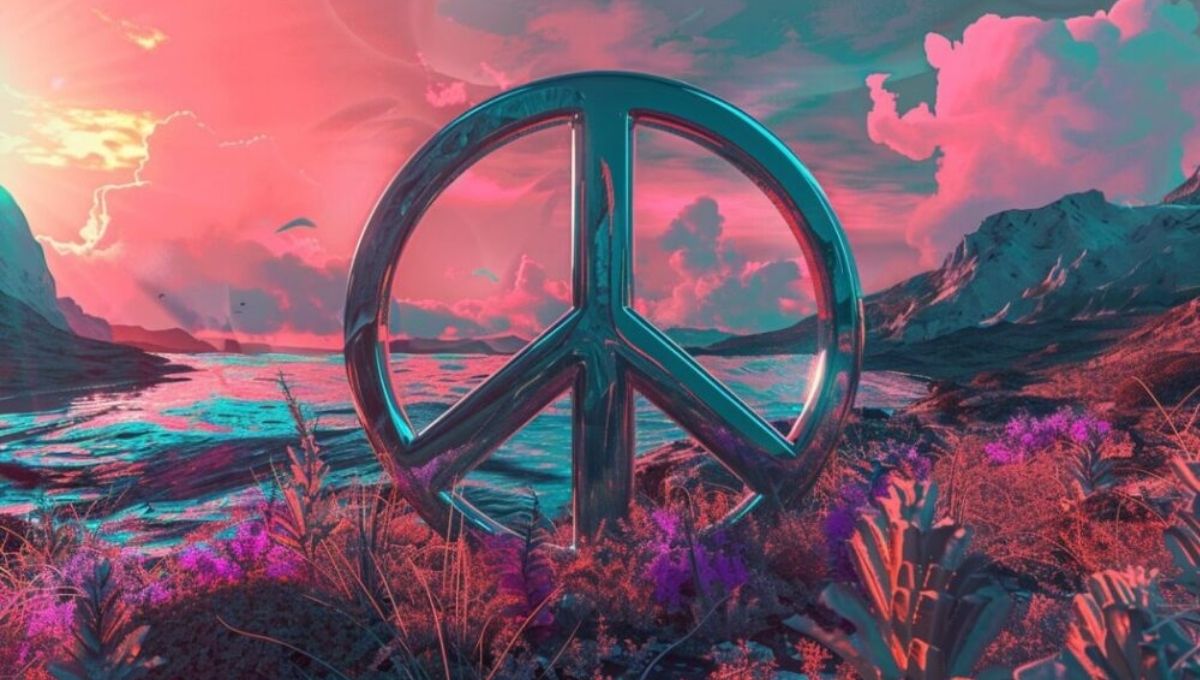

Peace, a concept revered across continents and centuries, finds expression not only in treaties and dialogue but also in the enduring power of symbols. These emblems transcend language, serving as silent ambassadors of unity, hope, and compassion. From ancient iconography to modern digital shorthand, peace symbols carry profound meaning woven into the fabric of cultural consciousness.
Historical Roots of Peace Symbols
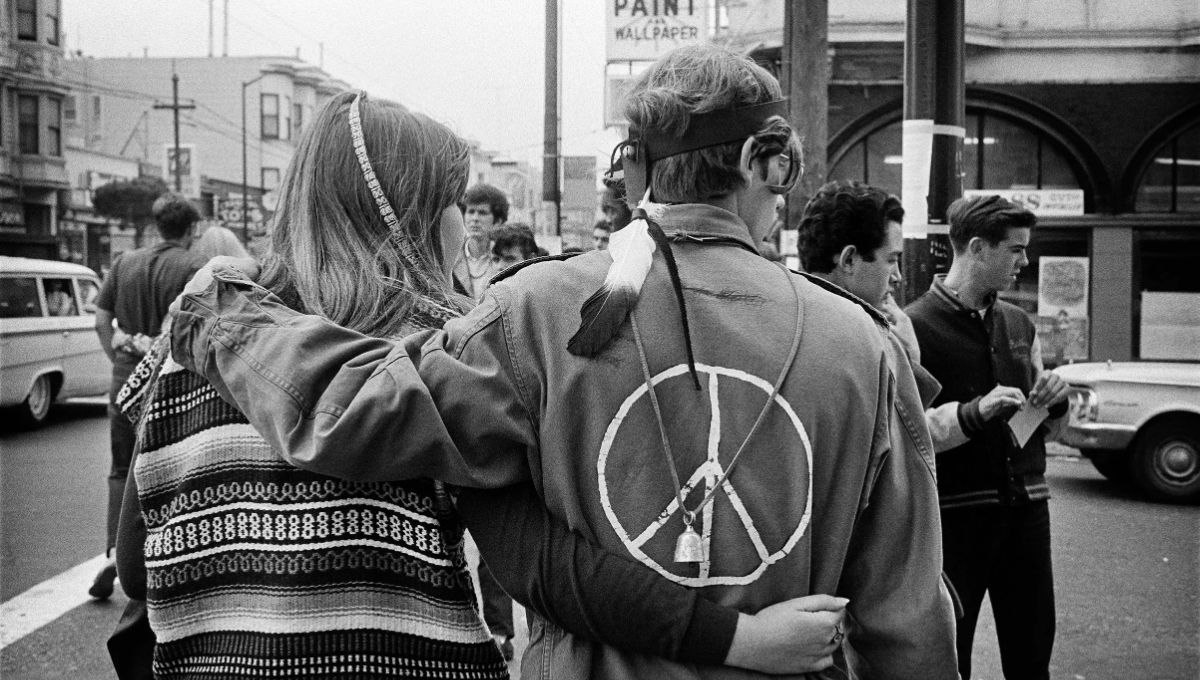
Ancient Beginnings of Peace Iconography
Long before the written word codified philosophy, ancient societies imbued everyday objects and natural elements with symbolic meaning. Early Mesopotamians used the olive branch to represent calm after conflict, while Egyptians depicted the ankh—signifying life and harmony—as a sacred token of peaceful prosperity. In pre-Columbian Mesoamerica, certain colors and birds were emblematic of cosmic balance and social concord. These early motifs became blueprints for the peace symbols recognized today.
Origin Stories from Different Civilizations
Greek mythology introduced the goddess Eirene, a divine personification of peace, often shown holding a cornucopia and an infant—symbols of abundance and hope. In the East, Buddhist and Hindu traditions intertwined peace with enlightenment, using symbols such as the dharma wheel and lotus. Native American cultures respected the feather, particularly the eagle feather, as a sacred bridge between tribes and the divine, calling for unity in times of dispute. Each of these civilizations crafted its own visual dialect of peace, deeply rooted in its unique worldviews.
The First Recognized Peace Symbol in History
Arguably, the earliest universally accepted peace symbol is the white flag, documented in use as far back as the Eastern Han dynasty in China (25–220 AD). Though simple, its stark absence of color boldly communicated the desire to cease conflict. Later, in the Greco-Roman world, the olive branch solidified its status as a symbol of truce. This gesture of extending a branch—often towards an adversary—was both literal and metaphorical, laying the groundwork for modern diplomacy.
Iconic Peace Symbols and Their Meanings
The Evolution of the Classic Peace Sign
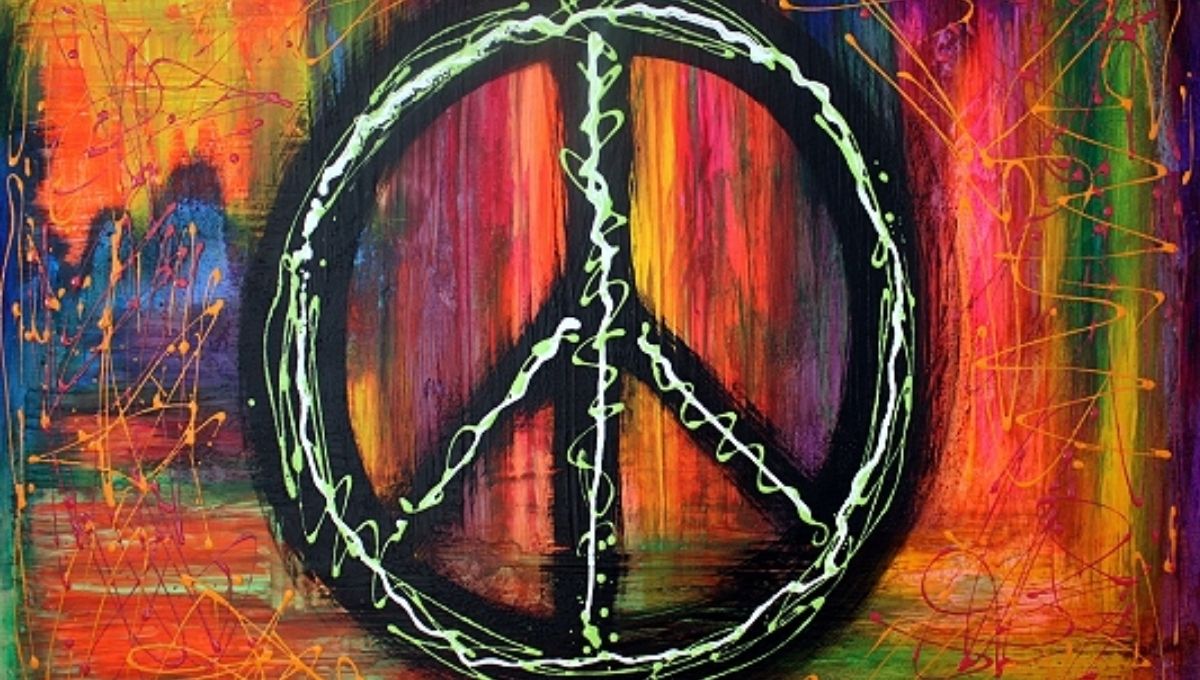
Designed in 1958 by Gerald Holtom for the British nuclear disarmament movement, the now-iconic peace symbol merges the semaphore signals for “N” and “D” (nuclear disarmament). Over time, this circle-enclosed emblem evolved beyond its original purpose, becoming a global statement against war, oppression, and social injustice. From protests in the ‘60s to present-day activism, the peace sign remains a potent badge of resistance and hope.
The Dove – A Timeless Messenger of Peace
With wings outstretched and an olive branch in its beak, the dove is perhaps the most universally recognized peace symbol. Rooted in Judeo-Christian narratives, particularly the story of Noah’s Ark, it embodies divine promise and renewal. Over centuries, artists and reformers have adopted the dove as a representation of innocence, reconciliation, and the enduring possibility of peace.
Red & White Poppies – Remembrance and Hope
Red poppies, blooming on the battle-scarred fields of World War I, became a symbol of remembrance for fallen soldiers. Introduced by poet John McCrae’s “In Flanders Fields,” these flowers immortalize sacrifice while pleading for an end to bloodshed. White poppies, introduced later, extend the message by emphasizing pacifism and a commitment to nonviolence, serving as a poignant reminder that peace must be continually pursued.
The Lotus Flower – Serenity Through Struggle
Rising pristine from muddy waters, the lotus flower encapsulates peace born from adversity. In Eastern philosophy, it symbolizes purity, enlightenment, and spiritual calm. It teaches that peace is not the absence of conflict but the result of transcending it. Its symmetrical bloom and delicate grace make it a preferred motif in peace-building philosophies and mindfulness practices.
Mistletoe – A Symbol of Truce and Harmony
In ancient Norse tradition, mistletoe was associated with sacred pacts. Enemies who met beneath it were required to lay down arms until the next day. Later adopted in European lore, mistletoe became a sign of goodwill, often hung during the winter months as an invitation to embrace peace and friendship. Its peculiar blend of ritual and folklore has transformed it into a seasonal emblem of harmony.
The White Flag – A Universal Plea for Peace
Unadorned and stark, the white flag carries a clarity unmatched by most symbols. When raised, it signals surrender or the wish to negotiate, pausing aggression in pursuit of understanding. Recognized under international law, it functions as a lifeline in warfare, protecting those who seek conciliation over combat.
The Paper Crane – Hope in the Face of Despair
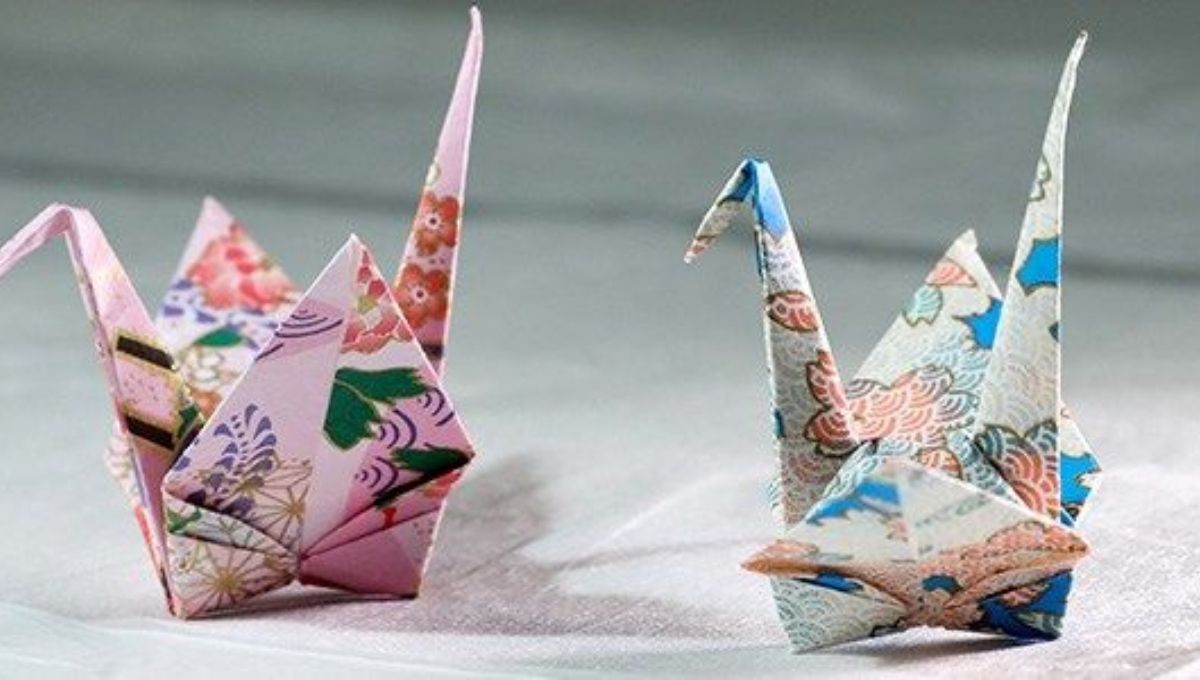
Originating from Japanese folklore, the paper crane gained profound significance after World War II through the story of Sadako Sasaki, a young Hiroshima survivor. Folding a thousand paper cranes in a wish for recovery, her story transformed the crane into a global icon of peace, resilience, and childlike hope amid devastation. The act of folding cranes is now a meditative gesture of solidarity and peace.
The Hand V Sign – From Victory to Peace
Initially a WWII signifier of victory, the V sign was reclaimed in the 1960s as a nonverbal emblem of peace. Flashing two fingers in a “V” became synonymous with anti-war protest and youthful rebellion. Its adaptability across generations and regions makes it a vibrant, living symbol in peace advocacy.
The Feather – Spiritual Peace and Unity
Feathers, particularly from birds of prey, hold sacred value in indigenous traditions. Representing truth, freedom, and the spirit’s journey, they are often worn or exchanged in peace-making ceremonies. As a symbol, the feather signifies lightness, transcendence, and the delicate balance required to sustain peace.
Mandala – Inner Peace and Universal Balance
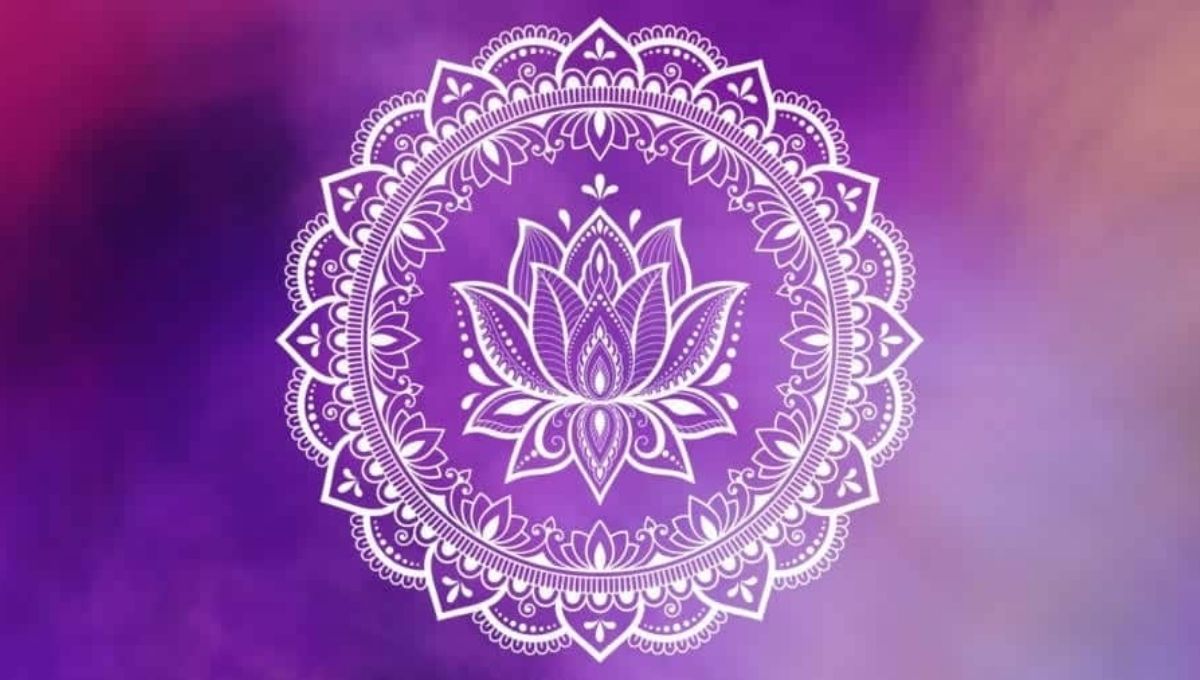
Mandala, Sanskrit for “circle,” denotes spiritual unity and harmony. These intricate geometric patterns represent the cosmos in Buddhist and Hindu practices, used for meditation and reflection. Creating or contemplating a mandala nurtures inner calm, offering a visual metaphor for peace that begins within and radiates outward.
Namaste – Peace Through Respect
A greeting deeply embedded in South Asian cultures, “Namaste” translates to “I bow to you.” This simple gesture—palms pressed together—carries immense significance, acknowledging the shared humanity and divinity in others. Beyond a salutation, it is an invocation of mutual respect, humility, and peaceful co-existence.
Yin-Yang – Balance and Coexistence
The Yin-Yang symbol from Taoist philosophy illustrates dualism—light and dark, passive and active, male and female. Rather than opposing forces, they are interdependent, co-creating harmony. This emblem urges peace not through the elimination of difference, but through balance and integration of contrasts.
Angels – Celestial Emissaries of Peace
Depicted with wings and radiant expressions, angels span religious and cultural narratives as messengers of peace and divine protection. In Christian, Islamic, and Jewish traditions, angels are entrusted with guiding humanity toward goodness. Their presence symbolizes serenity, compassion, and the assurance that peace is both sacred and attainable.
Peace in the Modern World
The Role of Technology in Spreading Peace
Technology, once a tool of division, now plays an integral role in unifying voices for peace. Social media platforms enable grassroots movements to gain traction, while blockchain offers transparent systems for humanitarian aid. From virtual reality peace-building simulations to AI-powered conflict analysis, innovation increasingly serves diplomacy, education, and healing.
Evolving Peace Movements in the Digital Era
Contemporary peace movements are decentralized, diverse, and digitally amplified. Hashtags like #PeaceDay and #CeasefireNow rally global attention within seconds. Online petitions, livestream vigils, and digital diplomacy campaigns empower individuals to become peacebuilders beyond borders.
This evolution from marches to metadata reflects a shift—peace is no longer a passive ideal but an interactive, global pursuit.
Peace symbols—old and new—continue to inspire, provoke thought, and unify. Whether carved in stone, drawn in chalk, or digitized in pixels, these emblems serve as beacons in humanity’s ongoing journey toward understanding and compassion.
FAQs
1. What are the most recognized symbols of peace around the world?
Common peace symbols include the dove with an olive branch, the peace sign, white flag, lotus flower, and the paper crane, each representing hope, harmony, or the end of conflict.
2. Where did the peace sign come from?
The peace sign was designed in 1958 for the British nuclear disarmament movement. It combines semaphore signals for “N” and “D” and later became a global anti-war symbol.
3. How do different cultures symbolize peace?
Different cultures use unique peace symbols such as Eirene (Greece), the feather (Native American), the lotus (Eastern philosophy), and Namaste (South Asia) to express harmony, respect, and unity.
4. What is the significance of the white poppy and red poppy?
Red poppies honor fallen soldiers, while white poppies emphasize peace and nonviolence, both rooted in remembrance and the call to end war.
5. How is peace promoted in the digital age?
Modern peace movements use social media, hashtags, virtual events, and blockchain transparency to promote peace, connect communities, and encourage global action online.
Conclusion:
Peace symbols carry timeless power—uniting cultures, honoring sacrifice, and guiding humanity toward compassion. From ancient doves to digital hashtags, each emblem reflects our shared longing for harmony. Understanding these symbols enriches our global connection and empowers us to spread peace in both quiet gestures and bold movements.
Read More: