

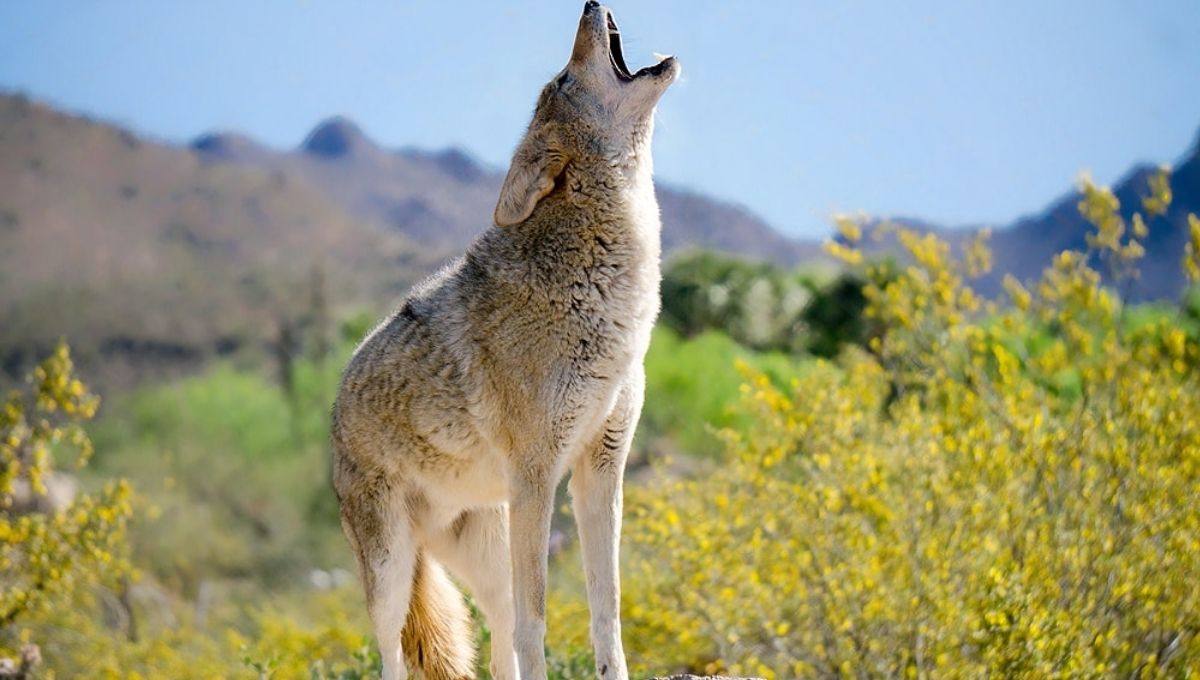
Coyotes have long been seen with wonder, curiosity, and caution. For some, they stand for wisdom, humor, and flexibility. For others, they symbolize trickery, danger, and disorder. Across many cultures, stories, and spiritual traditions, the coyote holds a unique role as both a teacher and a deceiver. Whether seen in real life, dreams, or ancient tales, the coyote raises questions: Is it a good sign or a bad one?
This animal is not limited to one meaning. The coyote walks between opposites—light and dark, wisdom and foolishness, solitude and community. Its presence often shows there is a lesson to be learned, but the nature of that lesson depends on the situation and viewpoint.
What is a Coyote?
The coyote (Canis latrans) is part of the dog family, closely related to wolves and foxes. It is native to North America but has spread widely, adjusting to deserts, forests, plains, and even busy cities. Coyotes are smart survivors, able to live in hard conditions and changing environments. Their unique howls echo across the land, a haunting reminder of their presence and strength.
More than just an animal, the coyote has been woven into stories, rituals, and spiritual practices for centuries. To many, it is a living symbol carrying messages beyond the physical world.
Coyote Symbolism: Spiritual Meanings of the Trickster Animal
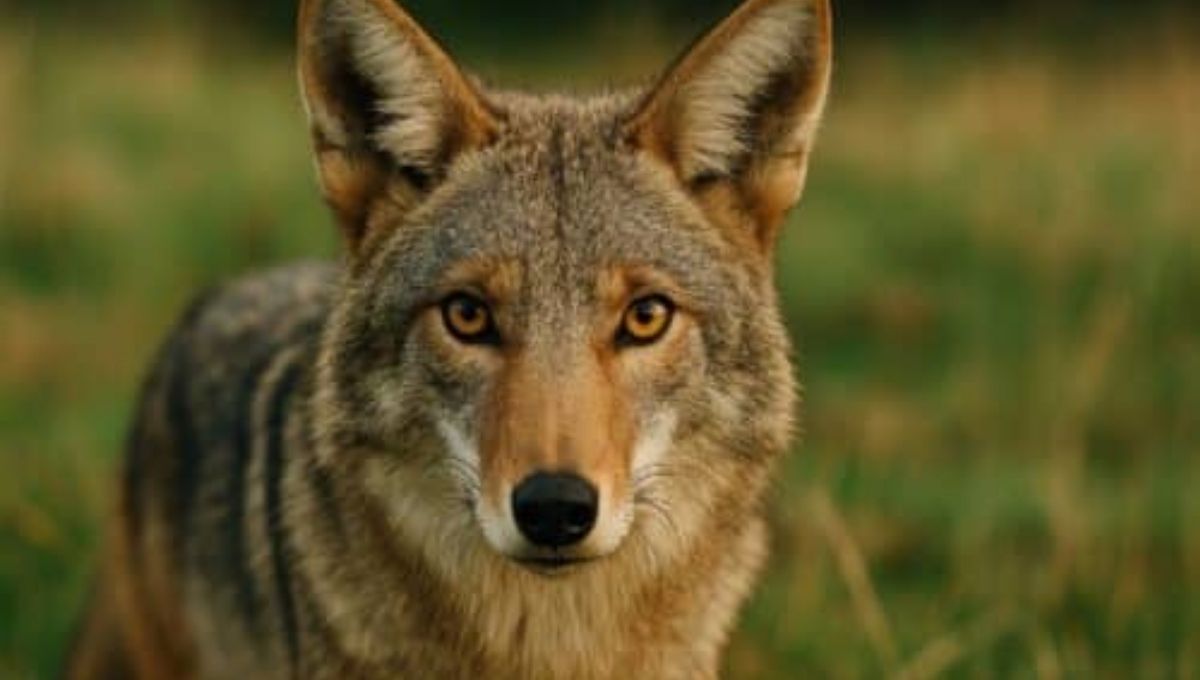
The coyote is most often known as a trickster. In Native American traditions, it is shown as playful, sneaky, and unpredictable. Yet beneath its tricks lies wisdom. The coyote teaches through mistakes, encouraging people to laugh at their failures while learning from them.
Spiritually, the coyote symbolizes opposites. It may bring clarity through confusion, strength through weakness, or humor during hardship. This double nature makes it a strong guide for those willing to look deeper.
Spiritual Meanings of Seeing a Coyote
A Sign of Intelligence and Cleverness
Coyotes are smart planners. They adapt quickly, outsmart hunters, and live where others cannot. Spiritually, they remind us to rely on intelligence, quick thinking, and problem-solving instead of just force.
A Message of Adaptability
The coyote lives in deserts, mountains, and even towns. Seeing one may encourage you to bend with life’s challenges instead of resisting them, showing flexibility in uncertain times.
A Symbol of Trickery and Deception
Sometimes coyotes appear as warnings. Their trickster energy may signal dishonesty around you—maybe a person hiding their true self, or a situation that is not what it seems.
A Reminder to Nurture Inner Strength
The coyote’s ability to survive with little food, harsh weather, and predators is well-known. Spiritually, it may call you to build strength, lean on your inner power, and face trials with courage.
An Encouragement to Trust Your Instincts
Coyotes are instinct-driven creatures. Their presence often reminds people to listen to their gut feelings, especially when logic is not enough. Instinct can guide choices that the mind alone cannot.
A Sign of Family and Community
Coyotes live in packs, work together while hunting, and protect their young. Spiritually, this shows the value of family ties, loyalty, and collective support.
A Symbol of Independence and Solitude
Even though they can be social, coyotes often roam alone. Their solitary strength reflects independence, urging you to accept solitude as a way to find yourself.
A Signal to Use Strategy and Planning
Coyotes hunt with patience and teamwork. Spiritually, this reminds you to plan carefully before acting, considering each step instead of rushing.
A Message About Clever Use of Resources
Coyotes waste nothing. They use what they have and find creative ways to live. This reflects resourcefulness—urging you to make the most of what is already available.
A Reminder to Seize Opportunities
Coyotes know when to wait and when to act. Spiritually, they may appear as a push to act bravely and grab chances that may not come again.
A Sign of Balance Between Wisdom and Playfulness
Coyotes balance play and survival. Spiritually, this reminds us not to lose our sense of humor or joy, even in tough times.
A Warning About Potential Danger
Sometimes, a coyote sighting comes as a warning. It may represent danger, betrayal, or a situation that needs caution.
A Reminder to Speak Your Truth and Stand Firm
Coyotes are not silent. Their howls travel across great distances. Spiritually, this reflects the need to use your voice, stand by your beliefs, and not be silenced.
A Sign of Transformation and Growth
To survive, coyotes change and grow. Spiritually, they represent change—letting go of old habits, accepting transformation, and stepping into growth.
A Call to Embrace Humor and Lightheartedness
The coyote, as a trickster, teaches us not to take life too seriously. Laughter is healing, and humor can often be the best medicine in hard times.
Coyote Sightings: Spiritual vs. Scientific Meaning

Scientifically, a coyote sighting is a normal event—proof of their adaptability and survival. Spiritually, however, the sighting carries symbolic messages, sometimes as signs, sometimes as guidance. Whether it is “just an animal” or a “spirit messenger” depends on belief.
Are Coyotes Spiritual Guides or Just Animals?
Coyotes are both. They are wild animals with instincts, yet many cultures see them as spiritual guides. They hold wisdom hidden in chaos and lessons wrapped in laughter. Seeing them as more than animals can open doors to self-reflection.
Seeing a Coyote in the Daytime: What It Means
Coyotes are usually active at night. Seeing one in the daytime breaks the norm, symbolizing revelations, exposure, or truths coming into light.
Seeing a Coyote at Night: What It Means
Nighttime coyote encounters connect to mystery, intuition, and the inner mind. Their howls in the dark symbolize hidden knowledge, dreams, and spiritual messages waiting to be revealed.
What Does It Mean When a Coyote Crosses Your Path?
Crossings hold strong meaning. A coyote crossing your path may represent a test, a fork in the road, or a reminder to stay aware of your direction. It is often seen as a spiritual checkpoint.
Why Did Coyotes Appear Near Me in the Woods?
Such a meeting may show a change in your journey. Spiritually, it could reflect entering a time of growth, courage, or transformation. It may also mean that guidance is near, though hidden in unexpected forms.
Biblical Meaning of Seeing a Coyote
The Bible does not directly mention coyotes, but wild animals often symbolize trials, lies, or the testing of faith. A coyote encounter may reflect these themes, urging watchfulness and inner strength.
Coyote as Totem and Spirit Animal
Coyote Totem
The coyote totem represents adaptability, humor, and survival. It teaches learning through mistakes and not fearing failure.
Coyote Spirit Animal
As a spirit animal, the coyote encourages instinct, strength, and laughter in the face of life’s struggles.
Coyote Power Animal
Calling on the coyote as a power animal builds resourcefulness, sharpens intelligence, and inspires endurance through difficulties.
Coyote Dream Meanings

Seeing a Coyote in Your Dream
This may show hidden truths, playful trickery, or self-checking. Dreams of coyotes often point toward illusions being uncovered.
Being Chased by a Coyote
Such a dream often means being chased by fears, consequences, or unresolved issues. It urges bravery and facing them directly.
Coyotes as Messengers
In dreams, coyotes sometimes come as messengers, carrying lessons about adaptability, awareness, or the importance of laughter.
Coyote Tattoo Meaning
A coyote tattoo symbolizes survival, adaptability, cleverness, and change. It can serve as a personal sign of strength and the ability to live through hardship.
Coyote as an Omen
Coyotes as omens can mean both good and bad. They may warn of dishonesty or guide toward transformation. Their double nature makes them strong, yet unpredictable, spiritual signs.
Meanings of Different Coyote Colors
White Coyote Meaning
Purity, clarity, divine guidance, and spiritual awakening.
Black Coyote Meaning
Mystery, shadow work, secrets, and the hidden self.
Gray Coyote Meaning
Balance, neutrality, and wisdom born from experience.
In many traditions, gray coyotes represent:
The union of opposites, harmony between darkness and light, and calm within conflict.
Red Coyote Meaning
Passion, energy, courage, and fiery transformation.
The spiritual meaning of red coyotes includes:
Renewed strength, sharper intuition, and power to face hardship.
Brown Coyote Meaning
Grounding, stability, and a deep link to the earth.
The spiritual meanings of brown coyotes include:
Endurance, practicality, and trust in inner strength.
Coyote in Mythology and Folklore
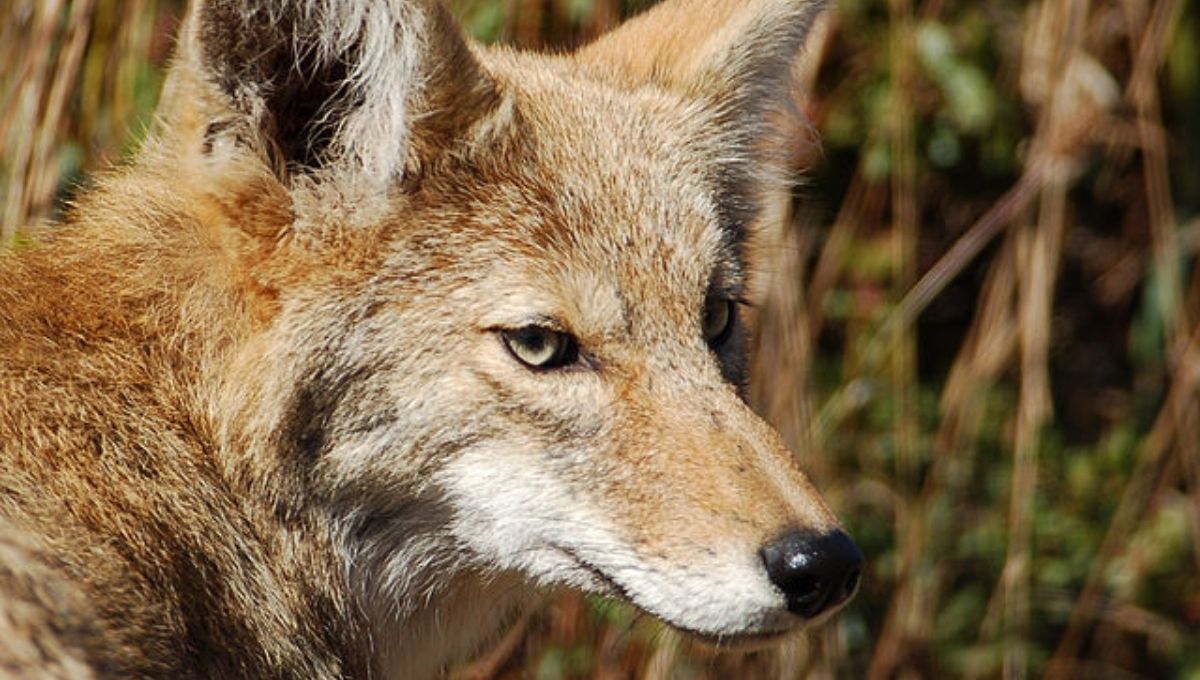
Coyote Legends in Native American Cultures
In many tribes, the coyote is the main trickster—both a fool and a wise teacher.
Common Themes in Native Coyote Stories
These tales highlight humility, the risks of pride, and the hidden wisdom in laughter.
Coyote in Aztec and Mesoamerican Mythology
Coyotes were linked with gods, fire, and change, often symbolizing both creation and disorder.
Coyote in Modern Folklore and Pop Culture
Coyotes remain tricksters in stories, cartoons, and modern symbols, representing cleverness and persistence.
The Coyote in Today’s Spiritual Practices
Modern spirituality often sees the coyote as a guide for adaptability, intuition, and strength.
Coyote in Southwestern U.S. Folklore
Here, the coyote is both feared and respected, embodying the wild spirit of the desert and mountains.
Other Trickster Parallels
Coyotes share traits with world tricksters like Loki, Hermes, and Anansi—mischievous yet deep teachers.
Coyote in Asian and European Folklore
Although coyotes are not native to these regions, similar symbolism is given to foxes and wolves, carrying the same lessons of cleverness and duality.
Dead Coyote Meaning
Finding or dreaming of a dead coyote can be unsettling. Spiritually, it symbolizes the end of lies, the closing of a chapter, or the release of old patterns. Death in symbolism often leads to new beginnings, and a dead coyote may represent change, urging you to step into a new stage of life.
FAQs
1. What does it mean spiritually when you see a coyote?
Seeing a coyote often symbolizes adaptability, intelligence, and resilience. It can also warn of trickery or hidden deception.
2. Is a coyote a good omen or a bad omen?
A coyote can be both. It may represent guidance, transformation, and humor, but it can also signal danger or dishonesty.
3. What does it mean when a coyote crosses your path?
When a coyote crosses your path, it is seen as a spiritual checkpoint—urging awareness, decision-making, or a shift in direction.
4. What is the biblical meaning of a coyote?
While coyotes are not directly mentioned in the Bible, they can symbolize trials, deception, and the testing of faith in spiritual interpretations.
5. What does a coyote symbolize in dreams?
In dreams, coyotes may symbolize hidden truths, playful deception, or personal growth. Being chased can reflect fears you need to confront.
Conclusion:
Coyotes embody both wisdom and mischief, serving as powerful spiritual symbols of adaptability, intuition, and transformation. Whether seen in reality, dreams, or folklore, they remind us to trust instincts, embrace resilience, and learn from challenges. A coyote sighting is never random—it always carries guidance for your spiritual journey.
Read More: