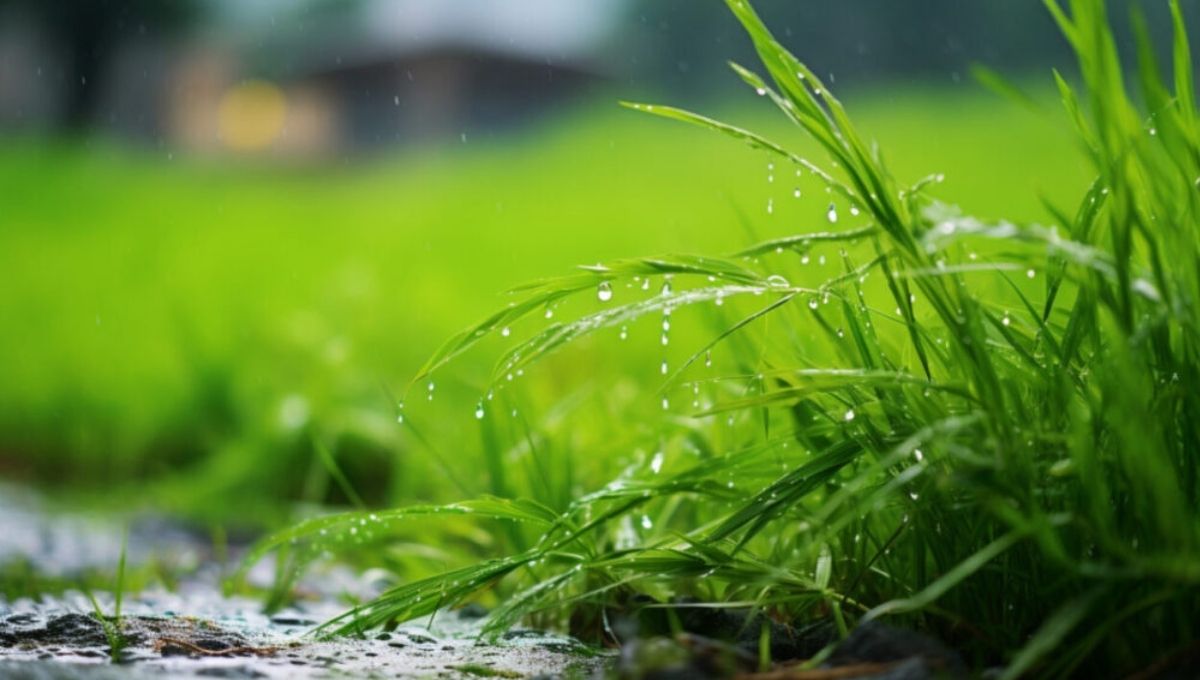

Rain has fascinated people for centuries. Every culture, old and new, sees it in its own way, giving it meanings that go beyond simple weather. In some places, it is life-giving and tied to survival. In others, it is seen as a blessing from above, or even a warning from the skies.
From African tribes that perform rain dances for good harvests, to Japanese poetry that uses rain as a picture of short-lived beauty, cultures worldwide see rain as a symbol filled with depth.
Rain as a Symbol of Renewal and Fresh Starts

Few natural things show renewal like rain. After dry land cracks under drought, rain comes to soften the ground, bringing back life. Spiritually, many people connect rainfall with cleaning the soul, a chance to begin again.
Standing under rain has often been called healing, almost like washing away mistakes or regrets. It shows that no matter how broken life feels, a fresh start is always possible.
How Rain Brings Life and Growth
Every drop of rain carries the power to grow life. Without it, forests would dry up, fields would stay empty, and rivers would vanish. Farmers have always prayed for rain, knowing its absence could cause hunger. Symbolically, rain means nourishment.
Just as plants reach upward when watered, people also grow when given love, wisdom, or chances in life. Growth, whether physical or spiritual, often needs the steady presence of rain.
Why Rain Helps Plants and Nature Thrive (Science Explained)
Rain is not only symbolic—it is necessary. Scientifically, rain refills underground water, carries nutrients into soil, and keeps nature balanced. Nitrogen, one of the key elements for plant growth, often enters the soil through rainfall.
The water cycle makes sure life continues, moving water from sea to sky and back again. This scientific truth makes its symbolic meaning even stronger: rain is both a poetic image and a real need.
Cleansing and Purity
Rain has long been linked with cleaning and purity. In religious rituals, rain is often called a gift from above, washing away sins or bad energy.
The way rainfall cleans the air of dust and dirt mirrors its role in human lives. Many connect standing in the rain with a renewal of body and spirit, a return to purity, free from past burdens.
Rain as a Symbol of Sadness and Heavy Emotions

Rain does not always bring joy. Countless songs and stories connect it with sadness, grief, or longing. Its gray skies and steady sound often match the heart’s aches.
People describe their sadness as “storm clouds” or “rainy days,” linking weather with feelings. Yet this link is not only negative. Rain’s calm presence allows reflection, giving the stillness needed to face pain.
How Rain Affects Our Mood: What Studies Reveal
Science shows that rain really affects how we feel. Less sunlight on rainy days lowers serotonin, which can cause tiredness or sadness.
On the other hand, the sound of rainfall relaxes the brain, helping with sleep and reducing stress. This explains why rain can be both loved and disliked. It has the power to unsettle or to comfort, depending on one’s state of mind.
Rain as a Sign of Change and Transformation
Rain marks turning points. The move from dry to wet seasons shows the passing of time, nature’s cycles, and the certainty of change. Symbolically, it means transformation—whether in nature, relationships, or personal journeys.
Rain clears away the old, making space for the new. Just as storms give way to clear skies, tough times often come before renewal. Rain becomes the bridge between endings and beginnings.
Rain and the Feeling of Loneliness
For many, rain carries a sense of being alone. Quiet streets, dripping roofs, and misty air can increase feelings of isolation. People indoors often feel more aware of their loneliness. In books and films, characters are often shown in the rain to highlight their disconnection.
While it can feel heavy, this alone time also gives a chance for deep self-discovery, as silence often reveals truths that noise hides.
Rain as a Gift or Blessing from the Divine
In many cultures, rainfall is seen as a gift from heaven. Ancient people believed gods controlled the rains, giving them as a blessing or keeping them back as punishment.
Even today, prayers for rain are common in dry lands. Its arrival is often celebrated as a miracle, a reminder of divine kindness and care. Rain is more than water—it is a sacred sign of blessing.
Rain Dances and Rituals Around the World
Communities worldwide have created rituals to call for rain. Native American tribes performed dances to invite rainfall, mixing music, movement, and prayer.
In parts of Africa, sacred ceremonies were held during drought, with gifts offered to the gods. These practices show the close tie between humans and nature, proving how important rain has always been for survival and spiritual life.
Rain as a Symbol of Fertility and Abundance
Rain makes land fertile, ensuring rich harvests. That is why it has long been a symbol of plenty and growth. Myths often connect rainfall with gods or goddesses of fertility, who use it to bless people with prosperity. Its arrival turns dry ground into fields full of life, showing its role as a giver of wealth and hope.
The Mysterious and Enigmatic Side of Rain
Rain often covers the world in mystery. Streets hidden by mist, forests covered in fog, and gray skies bring a sense of secrecy. Rain has been shown as a curtain hiding truth, a veil between what is known and unknown. This mysterious quality makes it a favorite theme in art and stories, symbolizing both hiding and revealing.
Rain as a Symbol of Loss and Mourning
Funerals and stories of grief often feature rain. Its heavy presence mirrors sorrow, as if nature itself is crying. The slow fall of raindrops feels like shared mourning. Many find comfort in this, as though their pain is understood by the skies. Rain becomes a sign of sadness but also a companion in loss.
Rain Bringing Hope and Optimism
After the storm comes the rainbow. Rain, though heavy at first, often leads to beauty and new life. Farmers cheer when rain returns, families feel relief after drought, and children play in puddles. Symbolically, this means hope: no matter how hard times are, better days will come. Rain reminds us that struggles are temporary, and growth is waiting ahead.
How Writers Use Rain Symbolism in Literature
Writers have long used rain for its rich meanings. In stories, it can show heartbreak, cleansing, rebirth, or coming trouble. Shakespeare often used storms to reflect inner conflict. Modern writers use rain to set the mood, mark change, or add emotional depth. Its flexibility makes it a timeless tool in writing.
The Meaning of Rain in Movies and Films

Movies use rain with a powerful effect. Famous scenes often happen in the rain, adding drama or showing emotional release. A kiss in the rain shows passion. A lonely figure walking under a downpour shows despair.
Directors use their visual and sound impact to strengthen stories, knowing audiences naturally feel their meaning. In film, rain is never just weather—it is emotion, mood, and symbol combined.
FAQs
1. What does rain symbolize in different cultures?
Rain is seen as life-giving, cleansing, and divine across cultures, symbolizing survival, blessings, and renewal.
2. Why is rain connected to renewal and fresh starts?
Rain washes away dryness and brings back life, making it a universal symbol of new beginnings and spiritual cleansing.
3. How does rain affect human emotions?
Rain can bring calmness and reflection, but also sadness and loneliness, depending on mood and setting.
4. What is the spiritual meaning of rain?
Spiritually, rain is often seen as a gift from above, symbolizing purity, fertility, and abundance.
5. How is rain used in literature and movies?
Writers and filmmakers use rain to heighten emotion, show loss, passion, change, or hope.
Conclusion:
Rain carries deep meaning—symbolizing renewal, growth, cleansing, and even sorrow. Across cultures, books, and films, it reflects life’s cycles and feelings. Whether seen as a blessing, mystery, or hope, rain reminds us that after every storm comes renewal. Understanding rain symbolism helps us accept change and fresh beginnings.
Read More: