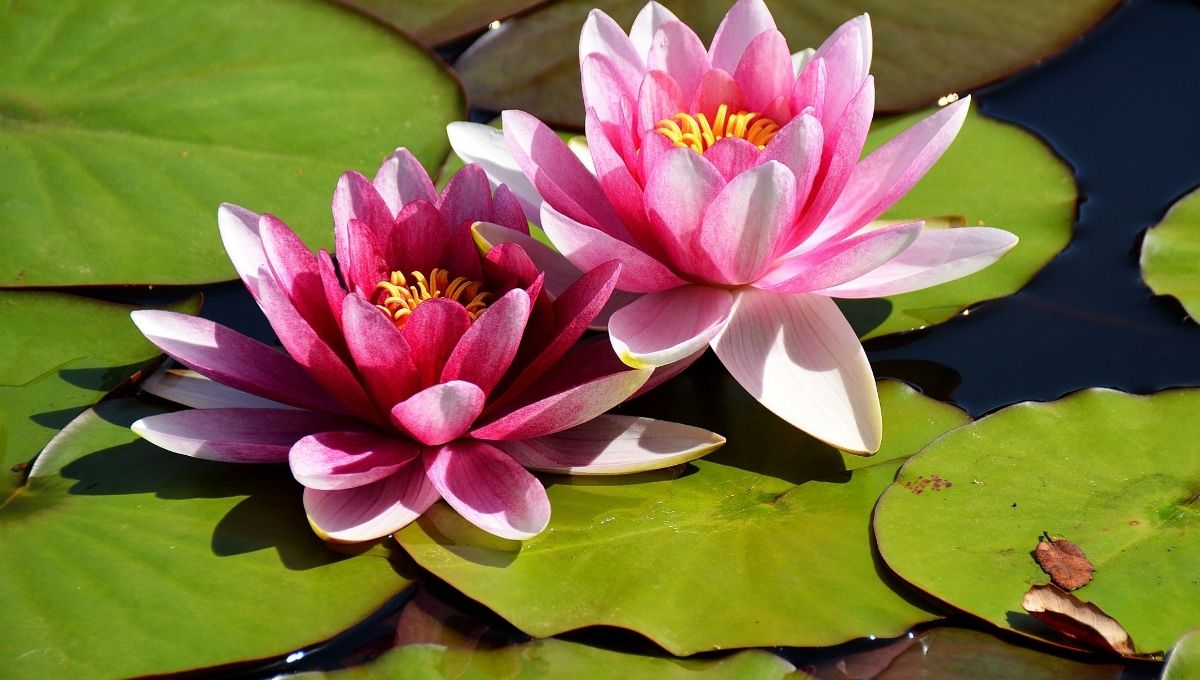

The lotus flower has inspired human thought for centuries, becoming part of spiritual paths, stories, and traditions across the world. Rising from dirty waters into bright bloom, it represents not just natural beauty but also strong human values. Its universal meaning speaks to purity, growth, renewal, and rising above struggles, making it one of the most respected flowers in history.
Lotus as a Symbol of Purity
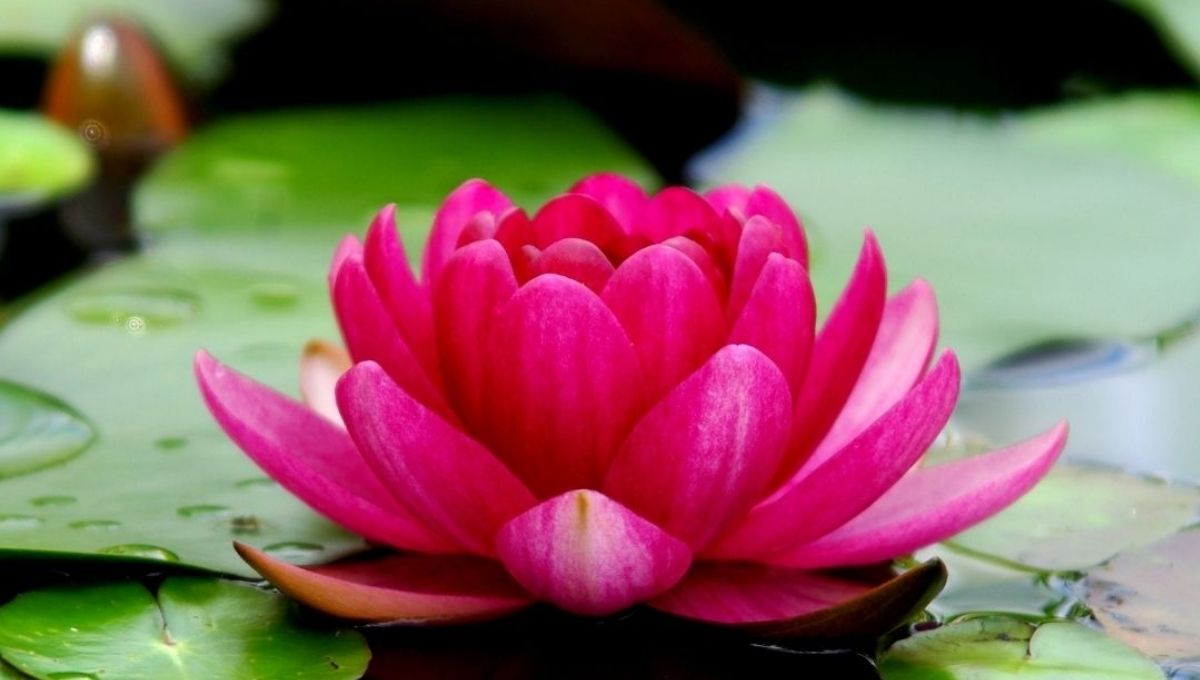
The lotus grows in muddy waters, yet its petals stay clean. This amazing trait is seen as a lesson about human honesty and moral strength. Just as the lotus blooms untouched by the dirt below, it shows us that true purity comes from inside. It teaches that one’s character can stay clean no matter the problems or chaos around us.
Lotus and the Path to Enlightenment
The opening petals of the lotus reflect the slow discovery of wisdom. In many spiritual paths, the flower shows the journey toward enlightenment—a gentle but certain opening of the mind and spirit. Each layer of petals stands for deeper understanding, guiding seekers toward clear vision and final freedom.
Lotus Symbolism of Renewal and New Beginnings
At sunrise, the lotus rises with the sun and closes again at night. This daily cycle shows rebirth and renewal. It is a strong sign of fresh starts, encouraging people to welcome change, let go of old troubles, and step into new parts of life with hope and peace.
The Deeper Symbolic Beauty of the Lotus
Lotus and Spiritual Transcendence
The lotus grows upward through the water, always moving toward the light. This growth reflects the human wish to rise above daily struggles and reach higher awareness. It shows breaking free from material limits to connect with the divine.
Lotus as a Sign of Transformation
From muddy roots grows a stunning blossom. The lotus proves transformation is possible, showing the power to grow beyond hardship. It encourages us to see challenges as chances for personal growth and change.
Lotus Connection with Divine Birth
In old stories, gods and holy beings are often shown sitting on lotus thrones. This link connects the flower with sacred creation and holy beginnings. It expresses the idea that life starts from a place of purity and universal order.
Lotus Symbolism in Chakras and Energy
In yoga beliefs, the lotus represents chakras—the body’s energy points. Each chakra is pictured as a lotus with different petals and colors, showing spiritual energy opening inside the body. The thousand-petaled lotus, or Sahasrara, stands for ultimate awakening and oneness with the universe.
Lotus and the Meaning of Emptiness
The open center of the lotus reminds us of emptiness, an idea important to many spiritual paths. Emptiness does not mean nothingness, but rather endless possibility. The lotus, in this way, shows openness, balance, and the acceptance of life’s passing nature.
Lotus as a Symbol of Compassion
Gentle and calm, the lotus reflects compassion. Its quiet strength and graceful presence inspire kindness and care for others. To keep the lotus in mind is to remember the value of gentleness and selfless love in human ties.
Lotus and Compassionate Awareness
Beyond personal kindness, the lotus shows collective awareness. It reminds us that true care goes beyond the self. Compassionate awareness means seeing the link between all beings, creating harmony, and offering help without condition.
Astrological Significance of Lotus
In astrology, the lotus is tied to spiritual growth and universal balance. It is often connected with Venus, the planet of love and beauty, and with moon cycles that reflect emotional renewal. Astrologers see the lotus as a heavenly guide toward balance and soulful progress.
Lotus Symbolism in Buddhism
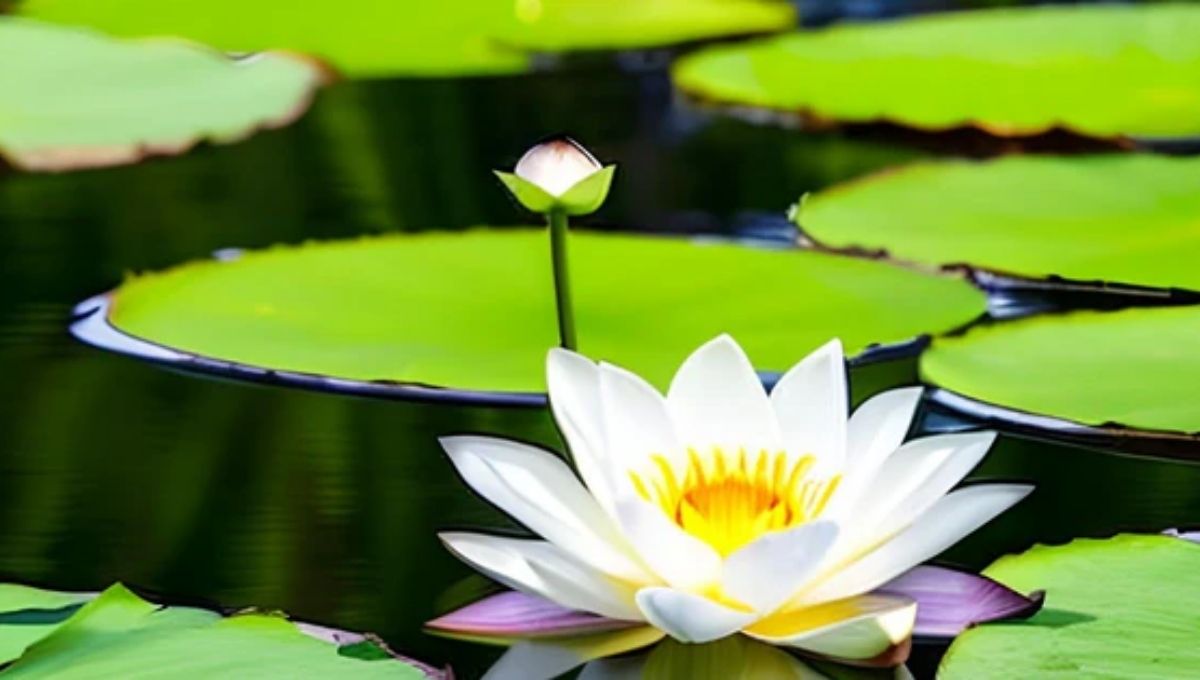
In Buddhism, the lotus is one of the most important symbols. It shows the journey from ignorance to awakening, rising clean from pain toward spiritual growth. The color of the lotus also carries meaning: white for purity, blue for wisdom, red for love, and pink for the true path of Buddha.
Lotus Symbolism in Hinduism
In Hindu belief, the lotus is linked to gods such as Vishnu, Lakshmi, and Saraswati. It stands for divine beauty, wealth, and knowledge. The unfolding lotus also connects to the idea of dharma—living a good life in harmony with cosmic rules.
Lotus Symbolism in Egyptian Culture
The people of ancient Egypt honored the lotus as a sign of creation and the endless cycle of life and death. The flower was tied to the sun god Ra, as it opened with sunrise and closed at night. It stood for rebirth, eternal life, and the promise of renewal.
Lotus Symbolism in Chinese Culture
In Chinese culture, the lotus shows virtue, peace, and a noble spirit. It is praised for staying pure despite muddy waters. In Confucian thought, it reflects honesty and moral strength, while in Taoist belief, it shows balance and the flow of life energy.
Lotus Symbolism in Japanese Culture
In Japan, the lotus is a holy flower tied to the purity of heart and mind. Its rise from dark waters is seen as a sign of moving beyond suffering to reach awakening. It also has a strong place in Zen, showing mindfulness and inner peace.
Ways to Use Lotus Symbolism in Home Decor
The lotus can bring peace and calm into a home. Lotus designs in art, statues, or decorations create a soothing space and inspire mindfulness. Adding lotus-themed pieces to meditation rooms, bedrooms, or gardens invites relaxation and spiritual connection into daily life.
Special Meaning of Mirrored Lotus Flowers
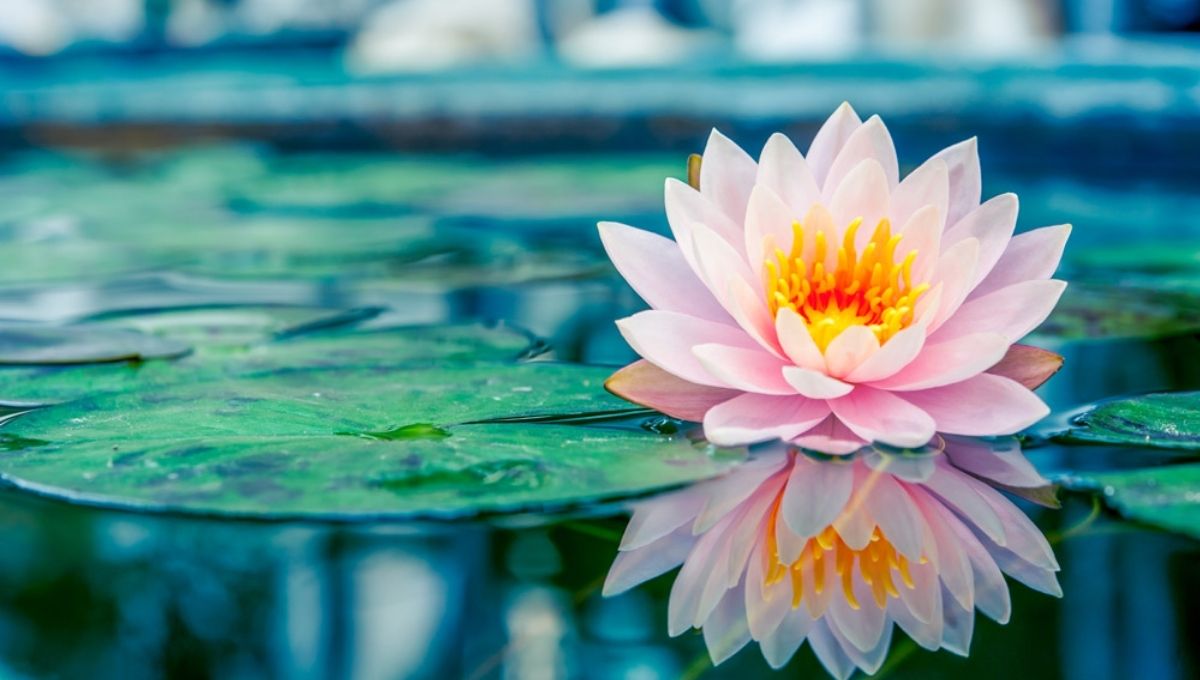
Mirrored lotus flowers, often seen in art or design, show balance and reflection. They remind us that what is inside us is reflected outside. Their even shape carries a deep meaning of harmony, unity, and self-awareness.
FAQs
1. What does the lotus flower symbolize?
The lotus flower shows purity, renewal, awakening, and spiritual growth across many cultures and traditions.
2. Why is the lotus considered sacred in Buddhism?
In Buddhism, the lotus shows the path from suffering to awakening, with each petal standing for stages of spiritual growth.
3. How is the lotus flower used in Hinduism?
In Hinduism, the lotus is tied to gods like Vishnu, Lakshmi, and Saraswati, showing divine beauty, wealth, and wisdom.
4. What is the astrological meaning of the lotus?
In astrology, the lotus is seen as a sign of spiritual growth, balance, and emotional renewal, often tied with Venus and moon cycles.
5. How can lotus symbolism be used in home decor?
Lotus art, statues, or designs bring peace, harmony, and mindfulness into homes, especially in meditation or resting spaces.
Conclusion:
The lotus flower stands for purity, renewal, awakening, and spiritual growth across cultures. Its lasting meaning inspires change, kindness, and inner calm. Whether in faith, astrology, or home décor, the lotus reminds us to rise above challenges and live in peace, making it a guiding light for balance in life.
Read More: