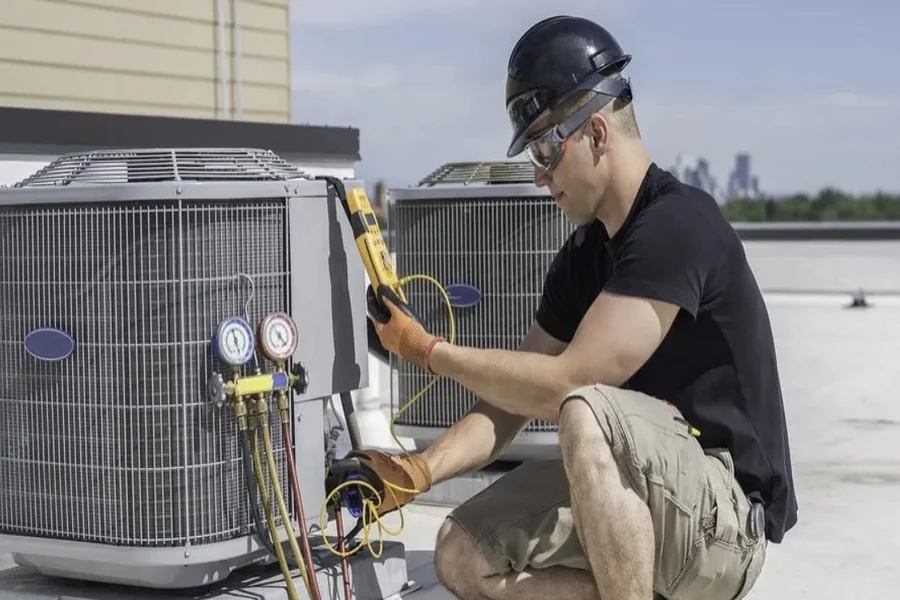

Proper HVAC system sizing is one of the most influential factors in how well a heating and cooling system performs over time. While many people focus on equipment brands or energy ratings, the system’s size relative to the space it serves often matters just as much. An improperly sized system can lead to uneven temperatures, frequent cycling, higher energy use, and reduced equipment lifespan. HVAC contractors approach sizing as a technical and practical process that considers building characteristics, usage patterns, and environmental conditions. Understanding how proper sizing affects performance helps homeowners see why accurate planning at the start of a project plays a major role in long-term comfort and reliability.
Why Proper Sizing Matters
-
Understanding Heating and Cooling Load Requirements
HVAC contractors determine the proper system size by calculating a building’s heating and cooling load. This process evaluates how much heating or cooling a space actually needs under typical conditions. Factors such as square footage, insulation quality, window placement, ceiling height, and local climate all influence load requirements. Contractors avoid relying on rough estimates because even small miscalculations can affect performance. Many property owners seek more about Quality Heating, Cooling, Plumbing & Electric when they realize that previous comfort issues stemmed from incorrect system sizing rather than faulty equipment. Load calculations provide a data-driven foundation for contractors to select systems that meet demand without excess capacity or strain.
-
The Consequences of Oversized HVAC Systems
An oversized HVAC system may seem like a safe choice, but it often creates more problems than it solves. Systems that are too large heat or cool spaces too quickly, causing frequent on-and-off cycling. This behavior impedes proper air circulation and can result in uneven temperatures across rooms. Short cycling also increases wear on components, reducing system lifespan. HVAC contractors recognize that oversized systems struggle to manage humidity effectively, which can impact comfort and indoor air quality. Proper sizing ensures that the system runs long enough to distribute air evenly and maintain stable conditions rather than constantly starting and stopping.
-
The Risks of Undersized Equipment
Undersized systems face a different set of challenges. When a system is too small, it may run continuously to reach the desired temperature. This constant operation increases energy use and places stress on components. HVAC contractors often encounter undersized systems in homes that have been expanded or modified without updating the HVAC equipment. These systems may never fully meet demand during extreme weather, leading to persistent discomfort. Proper sizing helps avoid this imbalance by matching system capacity to the space’s actual needs, ensuring steady operation without overexertion.
-
Proper Sizing in Focus
Proper HVAC sizing balances system capacity with building demand. HVAC contractors use detailed load calculations to ensure equipment can maintain comfort without excess strain. Correct sizing supports even temperatures, stable operation, and efficient performance. This balance reduces wear, improves comfort, and lays the groundwork for long-term system reliability.
-
How Building Design Influences Sizing Decisions
Building design plays a major role in HVAC sizing decisions. Open floor plans, vaulted ceilings, and large windows affect how heat moves through a space. HVAC contractors evaluate these features carefully to understand their impact on load requirements. A well-insulated building may require a smaller system than an older structure with air leaks and minimal insulation. Contractors also consider orientation, as rooms with prolonged sun exposure may experience higher cooling demand. By aligning system size with building design, contractors ensure that heating and cooling output matches real-world conditions rather than generic assumptions.
-
Equipment Performance and Efficiency Outcomes
Properly sized HVAC systems tend to operate more efficiently because they run under conditions for which they were designed. HVAC contractors know that efficiency ratings are most meaningful when systems are sized correctly. An accurately sized system maintains consistent temperatures without excessive cycling, allowing components to operate smoothly. This steady performance supports lower energy consumption and predictable operation. Over time, proper sizing helps maintain efficiency closer to manufacturer expectations, reducing the likelihood of performance decline due to mechanical stress.
-
Comfort, Consistency, and Air Distribution
Comfort is not just about reaching a target temperature; it is about maintaining that temperature evenly throughout the space. HVAC contractors focus on how system size affects air distribution. Properly sized systems work in harmony with ductwork to deliver balanced airflow. When size and distribution align, rooms receive consistent heating and cooling, with no noticeable hot or cold spots. This consistency improves overall comfort and reduces the need for frequent thermostat adjustments. Proper sizing allows the system to respond gradually to temperature changes rather than overcorrecting.
-
Long-Term Equipment Durability
System sizing also directly affects equipment durability. HVAC contractors understand that systems operating outside their intended range experience more wear. Oversized systems endure repeated starts and stops, while undersized systems run excessively long cycles. Both scenarios shorten component lifespan. Proper sizing supports moderate, steady operation, reducing mechanical stress. This approach helps protect major components such as compressors and heat exchangers, supporting longer service life and fewer unexpected repairs.
-
Adapting Sizing to Changing Conditions
Buildings and usage patterns can change over time, affecting HVAC needs. HVAC contractors consider whether future changes, such as renovations, occupancy shifts, or insulation upgrades, may alter load requirements. While systems are sized based on current conditions, contractors may plan for reasonable adjustments to ensure flexibility. This forward-thinking approach helps systems remain effective even as needs evolve. Proper sizing combined with thoughtful planning supports adaptability without compromising performance.
-
The Contractor’s Role in Informed Decision-Making
HVAC contractors play a critical role in guiding property owners through sizing decisions. They translate technical data into practical recommendations, helping homeowners understand why a specific system size is appropriate. This guidance builds confidence and reduces the temptation to oversize or undersize equipment based on assumptions. Contractors emphasize that proper sizing is not about minimizing cost or maximizing capacity, but about achieving balance. Informed decisions lead to systems that perform reliably and comfortably over time.
Proper HVAC sizing has a lasting impact on comfort, efficiency, and system longevity. HVAC contractors approach sizing as a detailed process that considers building design, usage patterns, and environmental factors. By avoiding oversized or undersized systems, they help ensure balanced operation, support consistent temperatures, and reduce wear. Understanding the importance of proper sizing underscores the need for a professional evaluation before installation or replacement. When systems are sized correctly, they deliver dependable comfort and performance that align with long-term needs rather than short-term assumptions.