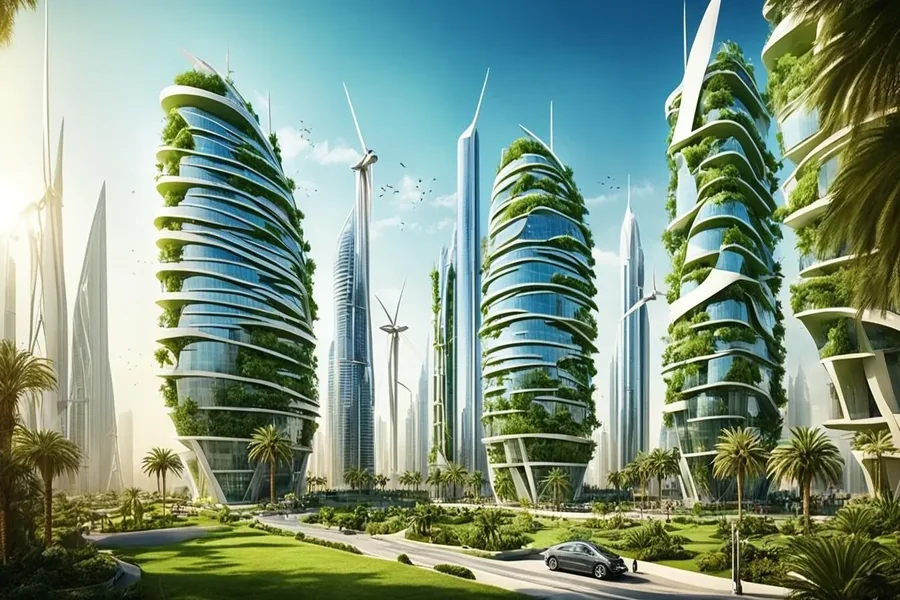

For many global cities, growth has often come at the cost of nature. Concrete expands, traffic increases, and green areas slowly disappear. Abu Dhabi is choosing a different path. As the emirate continues to develop at pace, it is placing people, wellbeing, and nature at the centre of urban planning. Today, green spaces are no longer decorative extras. They are essential infrastructure for healthier living.
From shaded parks in the heart of the city to protected island ecosystems on its outskirts, Abu Dhabi is redefining what urban green spaces can look like in a modern desert city. Places such as Al Fay Park and Jubail Island reflect a broader shift in how outdoor environments are designed, used, and valued.
This approach goes beyond planting trees. It focuses on mental health, community connection, climate resilience, and long-term quality of life.
Why Green Spaces Matter More Than Ever in Urban Living
Urban living can be demanding. Long working hours, screen-heavy routines, traffic congestion, and rising temperatures all affect physical and mental health. Studies around the world consistently show that access to green spaces improves wellbeing. Regular exposure to nature helps reduce stress, encourages movement, improves focus, and strengthens social bonds.
In a climate like Abu Dhabi’s, this challenge becomes more complex. Outdoor spaces must work with the environment, not against it. Shade, airflow, cooling strategies, and thoughtful landscaping are critical. Green spaces here must be practical, usable, and comfortable for daily life, not just visually appealing.
This is where Abu Dhabi’s approach stands out. Instead of copying models from cooler climates, the city is creating solutions rooted in local conditions and long-term sustainability.
Al Fay Park: Rethinking the Urban Park Experience
Located in the heart of the city, Al Fay Park represents a new generation of urban green spaces. Unlike traditional open parks, it is designed to respond directly to Abu Dhabi’s climate and lifestyle needs.
One of its most distinctive features is its layered shading system. Trees, architectural canopies, and built forms work together to reduce direct sun exposure. This makes the park usable even during warmer parts of the day, encouraging residents to walk, pause, and spend time outdoors rather than retreating indoors.
The design of Al Fay Park prioritises movement without pressure. Curved pathways invite slow walks. Seating areas are spaced for quiet moments rather than crowds. The layout feels intentional but relaxed, supporting both solo visitors and small groups.
Importantly, the park is not positioned as a destination for special occasions. It is part of everyday life. Office workers use it for short breaks. Residents pass through it on their way home. Families gather there in the evenings. This kind of integration is what makes an urban green space truly successful.
Designing for Mental and Physical Wellbeing
Healthier living is not limited to exercise. Abu Dhabi’s green space strategy recognises that wellbeing includes mental clarity, emotional balance, and social connection.
Urban parks like Al Fay Park provide environments that encourage gentle movement rather than structured workouts. Walking paths, shaded seating, and open lawns allow people to engage with the space in their own way. This is especially important for people who may not feel comfortable in gyms or formal fitness settings.
Mental health benefits are equally significant. Natural elements such as greenery, filtered light, and open air help reduce anxiety and mental fatigue. In fast-paced urban environments, these spaces act as pressure-release zones, offering moments of calm within the city.
By embedding such spaces into central locations, Abu Dhabi ensures that wellbeing is accessible, not exclusive.
Jubail Island: Preserving Nature Within Urban Expansion
While urban parks address daily city life, Abu Dhabi’s vision for green living also extends beyond the city centre. Jubail Island offers a different but equally important perspective on healthy living.
Rather than transforming the island into a dense urban zone, development here has been carefully planned around the existing natural environment. Mangroves, coastal ecosystems, and wildlife habitats are protected, with residential areas integrated sensitively into the landscape.
This balance allows residents and visitors to experience nature in a more immersive way. Walking trails, waterfront views, and open spaces encourage slower rhythms of life. The emphasis is not on constant activity, but on connection with the surrounding environment.
Jubail Island demonstrates that development does not have to mean disruption. With thoughtful planning, urban growth can coexist with ecological preservation.
A Shift Towards Sustainable, Human-Centred Planning
What links places like Al Fay Park and Jubail Island is a broader planning philosophy. Abu Dhabi is moving away from car-first, building-heavy design and towards human-centred environments.
This includes:
- Prioritising walkability and shade
- Reducing heat through natural and architectural solutions
- Encouraging outdoor use across different age groups
- Preserving native ecosystems rather than replacing them
These principles support sustainability goals while also improving everyday experiences for residents. They reflect a long-term view of city living, where health outcomes and environmental responsibility are just as important as economic growth.
Community Connection Through Shared Spaces
Green spaces play a vital role in strengthening community ties. They create neutral, welcoming environments where people from different backgrounds can share the same space without barriers.
In urban parks, this might look like families picnicking alongside office workers on lunch breaks. On islands and nature reserves, it might involve shared walking paths and educational experiences centred around conservation.
By designing spaces that are inclusive and accessible, Abu Dhabi encourages informal social interaction. These everyday connections contribute quietly but significantly to overall quality of life.
Climate-Responsive Design in a Desert Environment
Creating green spaces in a desert climate requires innovation. Water management, plant selection, and material use must all be carefully considered.
Abu Dhabi’s newer green spaces increasingly rely on native and adaptive plant species that require less water and maintenance. Shading structures reduce reliance on artificial cooling. Smart design minimises environmental impact while maximising comfort.
This approach not only supports sustainability goals but also ensures that green spaces remain viable in the long term. They are designed to last, not just to impress.
Setting a Model for Future Cities
As cities around the world grapple with climate change, population growth, and mental health challenges, Abu Dhabi’s approach offers valuable lessons. Green spaces are not afterthoughts. They are essential components of healthy urban ecosystems.
By investing in both compact urban parks and large-scale natural developments, the city caters to different needs and lifestyles. Short daily breaks and longer nature escapes are both considered part of a balanced life.
This layered strategy ensures that access to nature is not limited by location, income, or lifestyle.
Looking Ahead: Green Spaces as Everyday Essentials
The future of urban living depends on how well cities support their residents’ health and wellbeing. Abu Dhabi’s commitment to thoughtful green space design shows a clear understanding of this responsibility.
Places like Al Fay Park and Jubail Island are not just amenities. They are signals of a broader shift towards healthier, more sustainable living. They remind us that even in fast-growing cities, there is room for stillness, shade, and connection with nature.
As Abu Dhabi continues to evolve, its green spaces will play a central role in shaping a city that is not only modern and ambitious, but also deeply liveable.