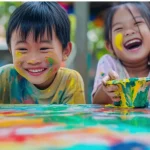
Understanding school holidays around the world can open up a fascinating perspective on education and culture. Each international school holiday often reflects a blend of global academic structures and local cultural traditions, making these breaks both educational and meaningful. Students, parents, and educators benefit from knowing when holidays occur, how they are celebrated, and how different schedules affect learning. International schools, in particular, bring together students from diverse backgrounds, making their holiday calendars unique and culturally rich. By exploring these calendars, we gain insight into the variety of ways children experience education, rest, and cultural immersion.
Why School Holiday Traditions Matter
School holidays are not just breaks from learning; they carry cultural, social, and personal significance. Recognizing different traditions encourages respect for other cultures and strengthens community ties. When students experience or learn about holidays from other parts of the world, they gain a broader understanding of history, traditions, and customs. This awareness is essential in international schools, where students often come from many countries and backgrounds. Observing and understanding these holidays helps build an inclusive environment that values diversity and encourages mutual respect.
Holidays also create opportunities for students to spend time with family, travel, or engage in hobbies and personal projects. These periods of rest are important for mental health and overall development. When schools thoughtfully incorporate holiday traditions into their calendars, students enjoy a more balanced education that combines academic rigour with cultural experiences.
Traditional School Holidays Around the World
While school holidays differ from one country to another, certain patterns are common globally. Many schools observe a long summer break, a winter holiday around Christmas and New Year, and a shorter spring break. National holidays, such as Independence Day or public celebrations, are often included in the calendar, giving students a chance to participate in community events.
Summer breaks provide extended time for students to relax, travel, or explore personal interests. Winter holidays often coincide with family gatherings and cultural festivities, creating meaningful experiences outside the classroom. Spring breaks offer a mid-year pause that helps students recharge before returning to their studies. These breaks are not only essential for rest but also offer moments for reflection, creativity, and personal growth.
How School Schedules Work
School schedules structure the day-to-day learning experience, balancing instructional time, breaks, and extracurricular activities. Daily routines are designed to allow students to focus on different subjects while including time for physical activity, arts, and other interests. Schools aim to create an environment that supports both academic achievement and personal development.
International schools often adapt their schedules to reflect the needs of a diverse student body. This means observing holidays from multiple cultures while still meeting curriculum requirements. For example, a school may adjust its calendar to allow students from different countries to celebrate their national or religious holidays. These adjustments require careful planning but enhance the educational experience by fostering inclusivity and cultural understanding.
Unique School Holiday Celebrations
One of the most exciting aspects of international schools is the variety of celebrations they observe. Students may take part in festivals, cultural events, or school-wide activities that reflect traditions from around the world. These celebrations allow children to learn about different cultures firsthand and develop a sense of global citizenship.
For example, some international schools hold events for Diwali, Lunar New Year, or Thanksgiving, even if these holidays are not observed locally. Students participate in traditional customs, food, and performances, which helps them appreciate the significance of these events. By including unique celebrations in the academic calendar, schools provide opportunities for students to build cultural knowledge, empathy, and mutual respect.
The Impact of Holidays on Learning
Research shows that holidays play a significant role in students’ academic performance. Breaks allow children to rest and recover from the demands of school, which can improve focus and productivity when they return to class. Time off also provides opportunities for family interaction, travel, and creative activities that contribute to overall growth.
However, holiday schedules can also present challenges. Long breaks may cause students to forget some of what they learnt, requiring teachers to review material at the start of a new term. Differences in holiday timing between schools in the same city or country can affect families with children in multiple institutions. Despite these challenges, well-planned holidays generally benefit students by supporting both academic and personal development.
Benefits and Challenges of Different Holiday Schedules
Different schools adopt various holiday schedules based on local and international needs. Some calendars have longer summer breaks, while others spread holidays throughout the year. Both approaches have advantages. Longer breaks allow extended travel and family time, while shorter, more frequent breaks keep students engaged and reduce burnout.
Balancing these schedules requires consideration of educational objectives, student well-being, and family needs. Schools aim to find a structure that supports learning, allows for cultural celebrations, and provides opportunities for rest and personal growth. Understanding these factors helps parents and students navigate academic planning and make the most of each break.
Making the Most of School Holidays
Preparation is key to enjoying school holidays fully. Students can use this time to pursue hobbies, read, travel, or spend time with family. Parents can plan activities that combine learning with relaxation, such as museum visits, outdoor adventures, or cultural experiences. Schools can support this by providing guidance on productive use of breaks and encouraging students to explore interests beyond academics.
Being aware of holiday schedules also helps students manage assignments, projects, and study time. Knowing when breaks occur allows for better planning, reducing stress and improving academic outcomes. This level of organisation benefits both students and teachers by ensuring that the academic year progresses smoothly and learning objectives are met.

Understanding Global School Holiday Traditions
Learning about international school holidays helps foster global awareness and cultural sensitivity. Students gain insight into traditions that may be different from their own, developing respect and empathy for diverse communities. Schools that celebrate multiple cultural holidays create an environment where students feel seen and valued, promoting a sense of belonging.
Parents and educators also benefit from understanding these traditions. It helps them support students effectively, anticipate scheduling conflicts, and participate in meaningful cultural experiences. Being knowledgeable about global holidays strengthens communication within school communities and enhances the overall educational experience.
Frequently Asked Questions About International School Holidays
International schools typically offer summer breaks, though the length and timing vary by country. Some institutions adjust their calendars to align with local holidays or cultural events. European school holidays, for example, usually include summer, winter, and spring breaks, allowing families time for travel and rest. In the United States, schools observe holidays such as Thanksgiving, Independence Day, and seasonal breaks, giving students time away from classes. Understanding these schedules helps families and students plan effectively and participate fully in educational and cultural activities.
Conclusion
International school holidays are more than just days off; they reflect the cultural diversity and global outlook of the schools that observe them. Recognising and respecting these traditions enriches students’ experiences, fosters inclusivity, and encourages curiosity about the world. Holidays provide students with opportunities to rest, explore, and connect with their families and communities.
By understanding school holiday schedules and celebrations around the world, students, parents, and educators can plan effectively and make the most of each academic year. Embracing these traditions helps nurture respect, awareness, and a sense of belonging, preparing students to thrive in a multicultural environment. International school holidays, with their unique customs and schedules, offer a chance to learn, grow, and appreciate the rich diversity of our global community.