
In a media environment saturated with visual content, organizations must communicate with clarity, purpose, and originality to stand out. Creative video services have become a strategic tool for brands, institutions, and agencies seeking to convey complex messages in a compelling and accessible way. At the heart of this process is a disciplined approach that blends storytelling, technical coordination, and production planning. We will explore how creative video services operate from initial concept development through final camera execution, highlighting how structured workflows, collaborative planning, and production precision contribute to effective outcomes. By focusing on the full video creation lifecycle, it illustrates how thoughtful preparation and execution transform ideas into engaging visual narratives that resonate with diverse audiences across platforms.
Concept Development and Strategic Planning
Every successful video project begins with a clearly defined concept rooted in strategic intent. During this phase, creative teams work closely with stakeholders to understand communication goals, audience expectations, and distribution requirements. Rather than treating video as a standalone asset, it is part of a broader messaging ecosystem. This involves aligning tone, pacing, and visual style with brand identity while ensuring the message remains adaptable for multiple channels.
Concept development translates abstract ideas into practical creative frameworks, including narrative outlines, visual references, and production scopes. At Broadcast Management Group of New York, NY, this stage also includes feasibility assessments related to timelines, locations, and technical resources, ensuring that creativity remains grounded in operational reality. By resolving these elements early, production teams reduce risk and create a shared vision that guides every subsequent decision, from scripting to camera placement.
Pre-Production Coordination and Creative Design
Pre-production is where ideas are organized into actionable plans. This phase involves scripting, storyboarding, location scouting, casting considerations, and scheduling, all of which must work in harmony. Attention to detail is critical, as decisions made here directly influence efficiency on set. Creative design elements such as lighting concepts, set aesthetics, and motion graphics direction are established to support the narrative without distracting from it.
Structured pre-production coordination allows creative teams to anticipate challenges and streamline execution. Clear documentation, including shot lists and production briefs, ensures that all participants understand their roles and responsibilities. This level of preparation supports creative consistency while allowing flexibility for adjustments during filming. Effective pre-production ultimately serves as the bridge between vision and execution, enabling smoother production days and more cohesive visual results.
On-Set Production and Camera Execution
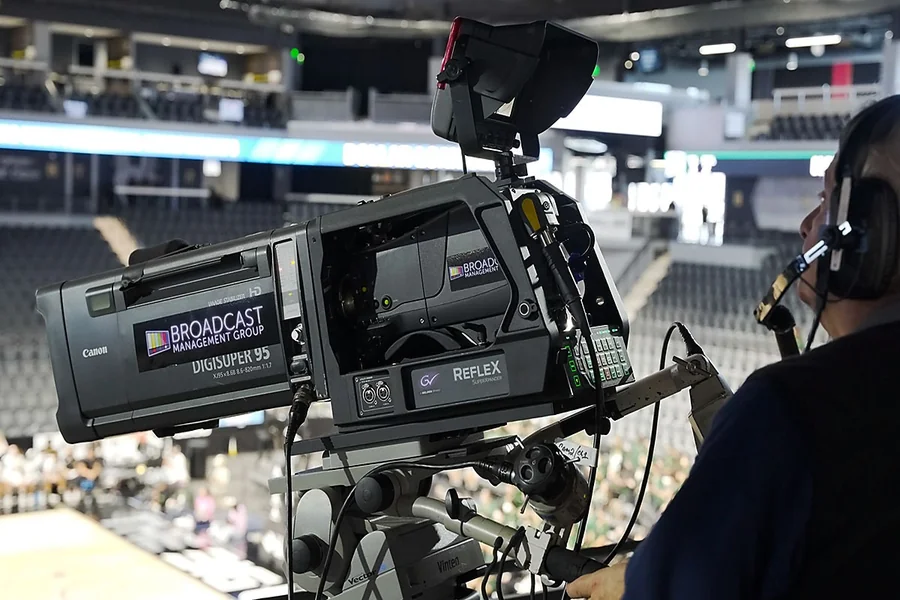
When production moves to the camera stage, planning and creativity converge. On-set execution requires precise coordination between directors, camera operators, audio technicians, and production managers to capture footage that aligns with the original concept. This environment demands adaptability, as lighting conditions, performance nuances, or logistical constraints may require real-time adjustments. Disciplined workflows help maintain creative integrity while accommodating these variables.
Camera movement, framing, and audio capture are carefully managed to ensure clarity and continuity. Attention is also given to capturing supplemental footage that enhances storytelling flexibility during editing. Through collaborative communication and clear leadership, production teams can maintain momentum without compromising quality. This phase transforms preparation into tangible visual assets, laying the foundation for a smooth post-production process.
Post-Production Integration and Delivery
Post-production is the process of shaping raw footage into a finished narrative. Editing, color correction, sound design, and graphics integration work together to reinforce the intended message and emotional tone. This stage requires both technical precision and creative judgment, as pacing and visual rhythm significantly influence audience engagement. Feedback loops between editors and stakeholders help refine the final product while maintaining alignment with original objectives. Versioning for different platforms, such as broadcast, digital, or internal communications, is also addressed during this phase. Efficient post-production workflows ensure timely delivery without sacrificing consistency. The result is a polished video asset that reflects careful planning and coordinated execution across all stages of production.
Throughout this process, organizations support clients by providing integrated creative video services that balance narrative development with production logistics. By managing the journey from concept to camera and beyond, they help ensure that each project remains focused, adaptable, and aligned with strategic goals.
Creative video services represent a structured yet flexible approach to visual communication. From early concept discussions to final delivery, each phase plays a critical role in shaping effective video content. When organizations invest in a comprehensive production process, they gain more than a video asset; they gain a communication tool designed for clarity, consistency, and impact. By understanding the full lifecycle of creative video production, decision-makers can better leverage visual media to connect with audiences and support long-term messaging objectives.