

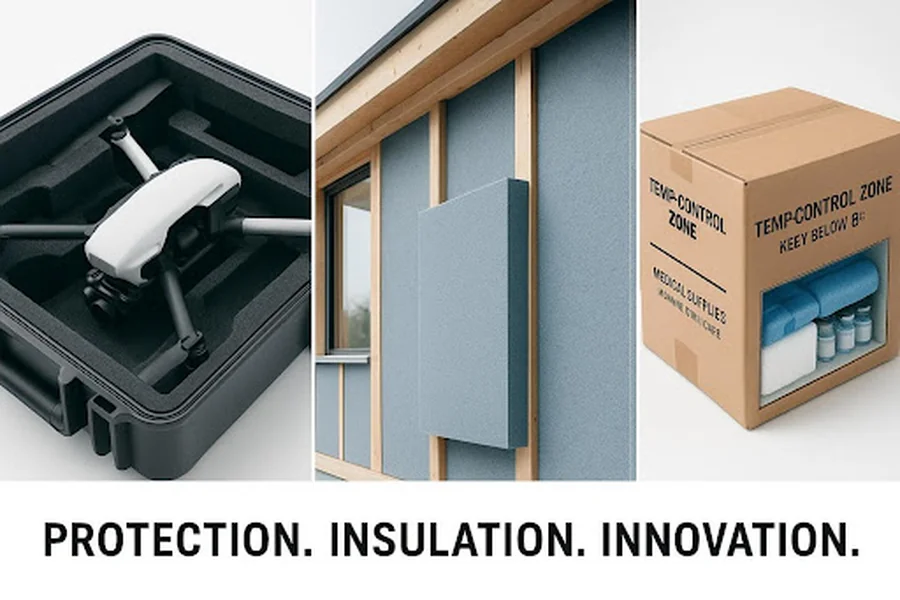
Foam, in all its different forms, is far more than a soft, squishy material; it quietly supports many industries by playing a key role in packaging, insulation, and protection. From shielding fragile electronics during shipping to keeping homes warm and quiet, foam’s special features make it extremely useful. Its flexibility, strength, low weight, and low cost are the main reasons it has become such an important material today.
Whether it’s custom packaging for high-value parts or reliable temperature control for medicines, foam products are carefully engineered so items arrive safely and on time. For companies needing high-quality foam solutions, Chem-Craft foam offers expert help in creating custom options for many industrial uses.
Reliable packaging and good insulation matter a lot in today’s fast-moving economy. Damaged shipments can quickly ruin a customer’s experience, and poor insulation can waste large amounts of energy. Foam helps solve these problems by adding a strong layer of protection that improves the shipping process and supports energy savings in many settings. Because foam can be shaped and cut into almost any form, it allows for custom solutions that fit products exactly, keeping them safe and secure. This makes foam a favorite choice for businesses that care about both product safety and customer satisfaction.
What Is Foam and Why Is It Used in Packaging, Insulation, and Protection?
What Is Foam?
Foam is created by trapping tiny pockets of gas inside a liquid or solid material. This cell-like structure is what gives foam its light weight and porous feel. Depending on how it is made and what base plastic is used, foam can act in many different ways, ranging from soft and flexible to stiff and strong. There is no single “standard” foam; instead, there is a family of foams, each with its own features that make it better for certain jobs.
From loose packing peanuts that protect everyday goods to dense, structural foams used in construction, the basic idea is always the same: a solid framework filled with gas bubbles. This layout provides excellent cushioning, insulation, and protection, which is why foam is used in so many industrial and consumer products.
What Makes Foam Suitable for Packaging and Protection?
Foam is good for packaging and protection mainly because of its internal cell structure. These tiny cells let foam absorb and spread out the force from impacts and vibrations, acting like a shock absorber.
Think about a fragile electronic device: without enough cushioning, any drop or bump during shipping could break it. Foam surrounds the item, reduces the force of the impact, and lowers the chance of damage.
Foam can also protect against outside elements. Certain foams resist water, chemicals, and even temperature changes. This wide range of protection is valuable for many products, from sensitive medical tools to heavy automotive parts, helping them arrive in excellent condition, no matter the journey.
Primary Benefits of Foam in Industrial and Consumer Applications
Using foam in industrial and consumer products gives many benefits. Its light weight cuts shipping costs, which matters a lot for companies trying to keep supply chain expenses down as freight prices rise. For example, the USPS has announced rate increases for early 2025, making lighter packaging even more attractive.
Foam is also very flexible in how it can be used. It can be molded or cut to fit a product’s shape exactly, holding it firmly in place to avoid shifting and damage during transport. This type of fit not only provides better protection, it also improves the unboxing experience for customers.
In addition, foam insulates well, which is especially important for products that must stay within a specific temperature range, such as medicines and perishable foods, helping maintain their quality and safety.
What Are the Main Types of Foam Used for Packaging, Insulation, and Protection?
Expanded Polystyrene (EPS) Foam
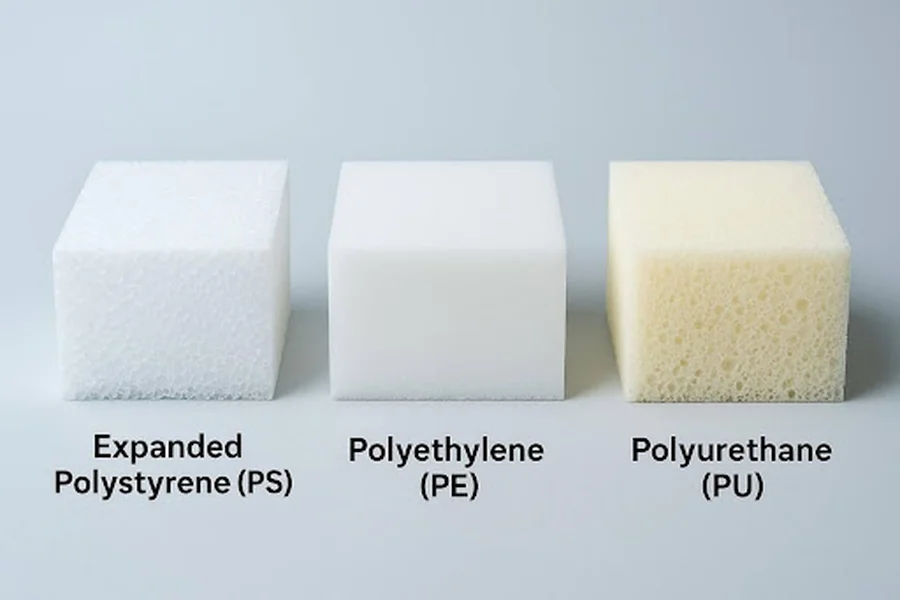
Expanded Polystyrene (EPS) foam, often called “Styrofoam,” is a light and low-cost material used widely in packaging and insulation. Its beaded look comes from small polystyrene beads that are expanded inside a mold. This creates a rigid, closed-cell structure with strong thermal insulation and solid support for many products. Its high R-value makes it a common choice in building projects to improve energy performance.
EPS gives decent cushioning for lighter needs, but its strongest points are its low weight and excellent insulation. It is often chosen for shipments where cutting total weight is a main goal, like bulk orders. Additionally, EPS can be recycled in many industrial and post-consumer programs, making it a more environmentally friendly choice than some other materials.
For businesses looking for high-quality chemical products to complement EPS and other materials, Chem-Craft provides a wide range of solutions to enhance performance and sustainability.
Polyethylene (PE) Foam
Polyethylene (PE) foam is a very flexible and tough packaging material and is often seen as a true “workhorse” in the industry. It comes in extruded and laminated forms, with many density and color options, so it can support many uses. PE foam has a mostly closed-cell structure that provides strong resistance to water and chemicals, making it a good choice when items must be shielded from moisture or harsh substances.
PE foam is also gentle on surfaces. It is approved for Class A finish protection, meaning it will not scratch or mark polished or delicate surfaces such as chrome, painted parts, or screens. Its durability allows it to be reused many times and to hold up in long-term storage, which helps lower overall costs. PE foam can be shaped with methods like heat bonding and other fabrication processes, making it especially useful in custom packaging designs.
Polyurethane (PU) Foam
Polyurethane (PU) foam is a flexible, open-cell foam with a soft, cushiony feel, which makes it popular for protecting delicate, high-value products. It comes in many densities and colors and can be upgraded with adhesive fabrics or films to create a more refined textile-like surface. Its open-cell design gives it strong shock-absorbing ability, ideal for products that must be protected from drops and vibrations during shipping.
PU foam is common in furniture, bedding, automotive interiors, and electronics, where comfort and protection are both important. It can be made flame retardant, and some versions are biodegradable to address environmental concerns. It is easy to work with and can accept Pressure Sensitive Adhesives (PSA), allowing precise shapes, inserts, and layers for items with complex geometries.
Other Specialized Foams
Beyond these main types, foam materials also include several specialized options for specific needs. Cross-Linked Polyethylene (XLPE) foam, for example, is known for being firm and durable while still gentle on painted surfaces. This makes it a top choice for premium packaging, influencer kits, and promotional displays where style and protection both matter. XLPE foam also stands up well to chemicals and heat, giving it a long service life and many ways to customize it.
Expanded Polyethylene (EPE) and Expanded Polypropylene (EPP) foams have a beaded texture and are made from expandable beads that allow different levels of firmness. EPP is very firm even at low densities, so it is good for stacking and load-bearing uses. EPE is more flexible and is often produced in larger bun sizes.
Both EPE and EPP are strong and gentle on painted surfaces, making them useful for many packaging jobs. Vacuum Insulated Panel (VIP) foam panels belong to a more advanced category and provide outstanding thermal insulation for long-duration shipments of temperature-sensitive items like biologic drugs and specialty chemicals.
How Foam Improves the Protection of Fragile and Valuable Products
Shock Absorption and Impact Resistance
The cell structure inside foam provides excellent shock absorption and impact resistance. When a package lined with foam is dropped or bumped, the foam compresses and absorbs the energy from that impact. It then spreads that energy across its cells instead of letting it reach the fragile item inside. This cushioning action is crucial when handling delicate goods that can be ruined by even small impacts.
Different foams offer different levels of shock protection, so packaging designers can choose the best match for an item’s fragility and expected transport conditions. Softer, more flexible foams like polyurethane work well to cradle fragile items, while denser foams are better suited for heavier, stronger products that still need firm support during repeated shocks.
Vibration Damping for Sensitive Equipment
Ongoing vibration during transport can be as harmful as sudden impacts, particularly for sensitive equipment. Devices like lab instruments, complex electronic assemblies, or medical machines can suffer from loose connections, misalignment, or hidden internal failures caused by constant vibration. Foam’s ability to reduce vibration helps avoid these problems.
Foam behaves like a viscoelastic material: it deforms under load and then slowly returns to its original shape, absorbing and reducing vibrational energy in the process. By isolating the product from these constant movements, foam helps sensitive gear stay aligned and operational through transport. This is especially important in fields like aerospace and electronics, where accuracy and reliability are critical.
Cushioning for Electronics, Glass, and Furniture
Foam’s cushioning abilities serve a wide range of products, from tiny semiconductor parts to large pieces of furniture. In electronics, anti-static foams reduce the risk of electrostatic discharge (ESD), which can damage circuit boards and chips. Custom-molded foam inserts hold items such as laptops, monitors, and other devices firmly in place, avoiding movement and rubbing. This level of shaping not only protects against physical blows but also shields sensitive components from unseen electrical damage.
For glass items like wine glasses, vases, or lab glassware, foam provides soft but firm support. Inserts separate and hold pieces in place, cutting down on chips and cracks during transport. Furniture also benefits: foam pads and custom pieces protect corners, glass tops, and delicate finishes from scratches and dents. This helps furniture arrive looking new, lowering returns and improving customer satisfaction.
Foam in Packaging: Common Applications and Advantages
Protective Packaging Inserts and Custom Foam Solutions
One of foam’s biggest strengths in packaging is its ability to be shaped into precise inserts. Unlike loose materials such as packing peanuts, which give limited protection and allow items to shift, custom foam inserts are made to match the exact shape, size, and weight of a product.
This custom fit gives better shock absorption, cushioning, and surface protection. Whether shipping a complex medical device, a delicate art piece, or an odd-shaped auto part, foam can be cut and formed to hold it firmly.
These custom inserts are usually produced using methods like die-cutting or waterjet cutting to create detailed shapes with tight tolerances. Foam blocks and liners may also be used to surround products, giving strong protection, especially between inner boxes in a larger crate.
For more flexible needs, “pick and pluck” foam offers a semi-custom approach: pre-scored blocks can be removed to shape the cavity, giving better cushioning than plain blocks but less precision than fully custom inserts.
Foam for Lightweight Shipping and Handling
Because foam weighs so little, it is a strong tool for controlling shipping costs. Compared with heavier packaging materials, foam adds minimal extra weight, which directly lowers shipping fees. This is especially helpful for companies that send large volumes or bulky items, where small weight savings add up fast. As carriers push more pricing based on both weight and package size, choosing light materials like foam becomes a smart business choice.
Lightweight packaging also makes handling easier all along the supply chain. Lighter boxes are easier and safer for workers to move, which can reduce injuries and improve efficiency. This benefit reaches from warehouse staff to drivers and, finally, to customers, who receive packages that are easier to carry and unpack.
Cold Chain Packaging and Temperature Control
The cold chain market, valued at about $312.4 billion in 2024, shows how important good temperature control is for shipping many products. Foam packaging is a key part of this system, especially for temperature-sensitive goods like drugs, biologics, and perishable foods. Foams such as EPS and PUR have strong insulation properties, forming a barrier that slows down heat transfer between the product and the outside air.
When used with gel packs or ice packs, foam helps keep internal temperatures stable for longer periods. It slows the warming or melting of coolants, extending the time products can remain within their required temperature range. This is critical for vaccines and medicines that can lose effectiveness if they get too warm or too cold. Foam can be configured into many cold chain formats, from insulated cartons for single shipments to large containers for bulk loads.
Prevention of Scratches and Surface Damage
Beyond impact and temperature protection, foam is also excellent for preventing surface damage such as scratches, scuffs, and minor dents. Many foams, especially polyethylene (PE) foam, are made with very gentle, non-abrasive surfaces. This makes them ideal as wraps or liners for products with delicate finishes like polished metal, painted parts, and glossy electronics.
Very thin foam sheets and rolls can be wrapped around products or layered between items to add a soft barrier. This is especially helpful for fragile goods or objects with sharp edges that might tear other materials. This careful focus on surface protection keeps products looking new when they reach customers, improving the unboxing experience and supporting a strong brand image.
Roles of Foam in Insulation: Thermal, Acoustic, and Energy Efficiency
Thermal Insulation in Construction and Appliances
Foam plays a major part in thermal insulation, especially in construction, where it helps reduce energy use. Materials like Expanded Polystyrene (EPS) and Extruded Polystyrene (XPS), often sold under brand names like Styrofoam, are used in cavity walls, under concrete slabs, and in Structural Insulated Panels (SIPs). Their high R-values mean they resist heat flow well, keeping interiors warmer in winter and cooler in summer.
Foam insulation also appears in many household appliances. Refrigerators, freezers, and water heaters rely on foam to hold their temperatures steady and cut energy consumption. This saves money on utility bills and lowers the environmental impact tied to home energy use.
Soundproofing with Acoustic Foam
Because of its cell structure, foam is also very effective for sound control and acoustic treatment. Acoustic foam panels, usually made from open-cell polyurethane, are built to absorb sound waves instead of reflecting them. When sound hits the foam, it travels into the open cells where its energy is turned into a small amount of heat, which reduces echo, reverb, and overall noise.
This is useful in many locations that need quieter spaces. Recording studios, home theaters, offices, classrooms, and factories all use acoustic foam to improve sound quality and reduce noise levels. It comes as sheets, tiles, panels, or custom shapes to match different room designs and acoustic needs.
Reducing Energy Loss in Buildings
Foam insulation is one of the most effective tools for cutting energy loss in buildings. It creates a continuous thermal layer that helps stop heat from escaping during cold weather and from entering during hot weather. Foam can also seal gaps and cracks that allow air leaks, which are a major source of wasted energy in many buildings.
Installed in walls, floors, or ceilings, foam improves a building’s thermal performance and lowers heating and cooling costs. It also reduces the carbon emissions that come from energy use. Closed-cell foams often serve extra roles in roofs and foundations by blocking moisture, helping prevent water damage and extending the life and strength of the structure.
Industry-Specific Uses of Foam for Packaging, Insulation, and Protection
Electronics and Semiconductors
Electronics and semiconductor products require very careful handling, and foam is widely used to protect them. Anti-static foam is essential for items like circuit boards and chips, as it reduces the risk of electrostatic discharge (ESD) that can permanently damage microelectronics.
Custom foam inserts hold consumer electronics such as laptops, TVs, and audio systems firmly inside their boxes, guarding against impacts and vibration. For heavier equipment like servers and network hardware, shock-absorbing foam helps parts arrive safely and ready to install. Foam trays are also used during manufacturing to organize and protect components as they move through assembly and storage.
Medical and Pharmaceutical Shipping
For medical and pharmaceutical products, safe packaging can be a matter of life and death, so foam is especially important. Sterile foam packaging helps keep medical devices and implants clean and uncontaminated during shipment. Custom foam inserts protect diagnostic machines, lab tools, and surgical instruments from drops and vibration.
Temperature-controlled foam packaging is also vital for medicines, vaccines, and biologics that must stay within a narrow temperature range. Polyurethane (PUR) foam, often used with gel packs, offers strong insulation and stable temperatures over long periods, helping protect both product quality and patient health.
Automotive and Aerospace Components
The automotive and aerospace fields rely heavily on foam for protection and insulation. Car parts like mirrors, lights, and sensors are often shipped in custom foam inserts that prevent breakage, dents, and scratches.
Reusable foam packaging helps support just-in-time supply systems by allowing the same packaging to circulate many times between suppliers and assembly plants. In aerospace, where parts can cost millions of dollars, foam provides key cushioning for satellites, spacecraft parts, and rocket components, reducing the risk from shocks and rough handling.
Cross-linked polyethylene (XLPE) foam is especially valued for its high strength, durability, and resistance to chemicals and UV light, helping these critical parts arrive in perfect shape.
Food and Beverage Logistics
In the food and beverage industry, freshness and safety are top priorities, especially throughout the cold chain. Foam packaging, especially EPS and PUR, provides strong thermal insulation for refrigerated or frozen goods such as meat, seafood, and dairy products.
Styrofoam boxes are widely used because they help keep contents cold when combined with ice or gel packs. This reduces spoilage and keeps food safe and appealing for consumers. Foam also cushions fragile items like glass bottles and jars, lowering the risk of breakage and product loss during shipping and handling.
Environmental Considerations: Eco-Friendly and Recyclable Foam Options
Sustainable Foam Materials and Biodegradability
As more people focus on environmental impact, foam makers are creating more sustainable choices.
Traditional foams like standard polyurethane are not naturally biodegradable, but new formulas and production methods are offering better options. These include foams made from recycled content, which reduce the need for new raw materials, and foams that can break down more easily at the end of their life, helping reduce landfill buildup.
These newer foams aim to match the protective and insulating performance of standard foams while appealing to eco-minded customers and supporting greener branding. Some of these materials are even gentle enough to protect items like flower arrangements as a replacement for traditional plastic packing.
Recycling Methods for Foam Products
Foam recycling is an important part of lowering environmental impact. Many common foams, including Expanded Polystyrene (EPS) and Polyethylene (PE) foam, can be recycled. EPS can be processed in industrial recycling systems and, in many places, in post-consumer programs, and then turned into new items.
PE foam is also very recyclable; many manufacturers recycle all their scrap material during production, which keeps waste to a minimum. Polyurethane (PU) foam often has its factory waste recycled as well. The main challenge is building and expanding collection systems for consumers, but progress is being made to improve access and efficiency. Good recycling practices help keep foam out of landfills, save resources, and reduce pollution.
Pros and Cons of Eco-Friendly Foam Alternatives
New eco-friendly foams bring both benefits and trade-offs. On the positive side, they tend to have a lower environmental footprint, answering concerns about plastic waste and heavy resource use.
They can support a stronger brand image among shoppers who care about sustainability. Many recycled and biodegradable foams are made to perform similarly to standard foams in cushioning and insulation, so they can still protect products well.
However, there are some downsides. These greener materials can cost more to make, which may raise packaging costs. Their performance in areas like durability or resistance to certain chemicals or temperatures may differ from traditional foams and must be checked for each use. In addition, supply and large-scale availability are still growing. Businesses should weigh these points and often work with packaging experts to find foam options that balance performance, cost, and environmental goals.
Choosing the Right Foam for Your Packaging, Insulation, or Protection Needs
Key Factors to Consider in Foam Selection
Picking the right foam for a job is not a simple “one material fits all” decision. It requires looking at several key points. Start with the fragility and weight of the item. Very fragile products usually need foams with strong shock absorption, such as certain PU foams, while heavy products may need the higher compression strength of EPS.
The expected storage or shipping environment also matters. If temperature control is needed, foams like EPS or PUR that insulate well may be the best choice, often combined with gel packs. For goods facing moisture or chemicals, water- and chemical-resistant foams such as PE or XLPE are often better.
Other important points include the level of cushioning, vibration reduction, and surface protection required. If the product has a sensitive finish, a gentle, non-abrasive foam like PE is wise. If it will face repeated shocks or long storage times, durable PE or XLPE may work well.
Cost and environmental impact now play a big part, too. EPS is generally low in cost, but using recyclable or biodegradable foams can support sustainability goals and may lower long-term disposal costs. Understanding these points will guide you to the foam that best fits your needs.
Custom Foam Design and Manufacturing
For products with unusual shapes, weak points, or high protection standards, custom foam design and manufacturing is often the best path. The process usually begins with studying the product itself: size, weight, fragility, and sensitivity to shock or vibration. Based on this review, engineers choose a foam type that matches the product’s needs.
Using computer-aided design (CAD), they build a detailed 3D model of the foam packaging. This model can be tested and adjusted virtually, then turned into a physical prototype. The prototype is then tested through drop tests, vibration tests, and compression tests to confirm that it gives enough protection.
If needed, the design is adjusted by changing foam thickness, density, or by adding extra layers. Once approved, the foam is cut and assembled to create a custom protection system for the product. This careful process provides strong protection and a clean, professional look.
Working with Packaging and Insulation Experts
Because foam materials and uses are so varied, working with experienced packaging and insulation specialists is strongly recommended. These experts know which foams work best in different situations and industries and can suggest effective, cost-friendly solutions you might not think of on your own.
They can assist from the first product review through material selection, design, prototypes, and testing. They can also point you to sustainable foam options and help you weigh the benefits and drawbacks of each, while keeping in line with industry rules and standards.
Whether you deal with sensitive electronics, cold-chain pharmaceuticals, or heavy industrial parts, partnering with a knowledgeable expert helps protect your products, improve efficiency, and keep customers satisfied, all while supporting better overall results for your business.