
Bald patches can feel like a confidence killer for many individuals. Whether you’re spotting thinning areas in your hairline, crown, or scalp, the mirror starts to reflect a version of you that doesn’t feel like you anymore. You’ve likely tried every shampoo, serum, and supplement promising regrowth only to be disappointed time and again. So, where do you turn when hope starts to fade along with your hair?
This hair concern can be efficiently treated with PRP (Platelet-Rich Plasma) therapy. It’s an advanced, science-backed treatment that’s gaining popularity for its potential to actually regrow hair. But can it truly revive bald patches, or is it just another fleeting trend?
In this article, we’ll break down how PRP works, who it’s best for, and most importantly, whether it can really help you reclaim your hair. If you’re tired of covering up and ready to explore real solutions, keep reading. This might just be the turning point you’ve been looking for.
What Is PRP (Platelet-Rich Plasma) Therapy?
PRP therapy is a non-surgical, minimally invasive procedure that uses your body’s natural healing components to stimulate hair regrowth. Here’s how it works:
- A small amount of your blood is drawn.
- The blood is then spun in a centrifuge to isolate the platelet-rich plasma. This plasma is rich in growth factors that aid in tissue regeneration and healing.
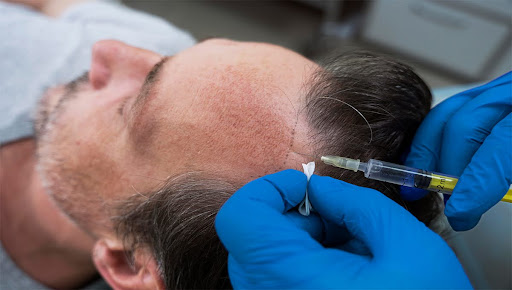
- The PRP is then injected into targeted areas of the scalp where hair thinning or bald patches are present.
Common Causes of Bald Patches and Hair Thinning
Before exploring the best PRP hair treatment in Dubai, it’s essential to understand the underlying causes of bald patches. Hair loss can be caused by a range of factors, including:
- Genetics (Androgenetic Alopecia): The most common cause is often hereditary.
- Hormonal Imbalances: Conditions like PCOS or thyroid disorders.
- Stress and Trauma: Physical or emotional stress can trigger sudden hair shedding
- Nutritional Deficiencies: Lack of iron, vitamin D, or protein can impact hair health.
- Autoimmune Conditions: Such as alopecia areata, which causes patchy hair loss.
- Scalp Infections or Inflammation: Can damage follicles and stunt growth.
Why Do People Consider PRP for Hair Regrowth?
For those who have tried over-the-counter products, topical treatments, or even prescription medications with little to no success, PRP offers a promising alternative. Many individuals also rely on temporary cosmetic solutions like scarves, hats or even clip hair extensions to cover visible thinning while they seek a long-term fix. Here’s why it’s becoming a go-to option:
- Natural and Safe: Since PRP uses your own blood, the risk of allergic reaction is minimal.
- Non-Surgical: Unlike hair transplants, PRP requires no incisions or downtime.
- Targeted Results: Injections are applied directly to areas of concern, making it ideal for bald patches.
- Promotes Follicle Health: PRP not only regrows hair, but it may also improve the quality and thickness of existing strands.
- Evidence-Based: Although research is ongoing, numerous clinical studies and dermatologists support its effectiveness, particularly for early-to-moderate hair thinning.
How Does PRP Hair Treatment Work to Stimulate Hair Growth?
PRP (Platelet-Rich Plasma) hair treatment works by using a concentration of a patient’s own platelets, which are rich in growth factors essential for healing and tissue regeneration. When injected into the scalp, these activated platelets release several growth factors, including platelet-derived growth factor, vascular endothelial growth factor, and insulin-like growth factors. They improve blood supply and encourage the hair follicles to enter the active growth phase..
Additionally, PRP treatment for hair helps prevent follicle cell death by activating anti-apoptotic proteins, which protect hair follicle cells from premature regression. It also improves the extracellular environment through collagen synthesis and activation of supporting cells around the follicles.
Steps Involved in the PRP Hair Treatment Procedure
The PRP treatment process is straightforward, typically taking 60–90 minutes per session. Here’s what you can expect:
-
Blood Collection
A small amount (about 10–30 mL) of your blood is drawn, usually from your arm.
-
Centrifugation
The blood is placed in a centrifuge, which spins it at high speed to separate the platelet-rich plasma from red and white blood cells.
-
Preparation of PRP
The concentrated PRP is extracted and sometimes combined with activating agents to enhance its effects.
-
Scalp Injection
Using a fine needle or microneedling device, the PRP is injected into targeted areas of the scalp, particularly around bald patches or thinning zones.
-
Post-Treatment Care
No major downtime is required, although mild soreness or redness may persist for 1–2 days. Patients are advised to avoid harsh shampoos, direct sun exposure, and strenuous activity for 24 to 48 hours.
Can PRP Hair Treatment Regrow Hair In Bald Patches?
The answer to this most asked question is Yes. Hair PRP treatment can help regrow hair in bald patches, but with some limitations. PRP (Platelet-Rich Plasma) therapy works by using your body’s own growth factors to stimulate inactive hair follicles. When injected into the scalp, PRP can increase blood flow, reduce inflammation, and promote the growth phase of the hair cycle.
However, it’s important to understand that PRP may not work as effectively on fully bald areas where hair follicles have completely died or scarred over. Results vary from person to person, and multiple sessions are usually needed to see noticeable improvements.
For many people, PRP works best as part of a broader hair restoration plan and can be a great non-surgical option to boost hair density and slow further loss. Consulting with a hair loss specialist can help determine if PRP is the right choice for your specific condition.
This makes PRP a valuable component of comprehensive hair loss treatment for men, especially when combined with lifestyle changes and other supportive therapies.
What to Expect During and After PRP Hair Treatment
If you’re considering PRP hair treatment, understanding what the process is before, during, and after can help set realistic expectations and prepare you for the journey ahead. Here is what you need to look for:
Number of Sessions
Most people need 3 to 4 initial PRP sessions spaced 4 to 6 weeks apart. Visible hair regrowth often begins around the second or third month. Full results are typically seen within 4 to 6 months. Consistency is crucial for long-term improvement.
Side Effects and Risks
PRP is generally safe, but mild swelling, redness, or tenderness at the injection site may occur. These effects usually resolve within a day or two. Rare risks include infection or allergic reaction, especially if additives are used. Always choose a qualified provider to minimize complications.
Maintenance and Follow-Up
To maintain results, follow-up treatments are usually recommended every 4 to 6 months. Supporting your treatment with a healthy diet and hair care routine can boost effectiveness. Stress management and avoiding harsh styling also help protect new growth. PRP works best as part of a consistent, long-term hair health plan.
Conclusion
Hair loss, especially in the form of bald patches, can be frustrating and emotionally challenging, but you’re not without options. PRP hair treatment offers a science-backed, minimally invasive approach to stimulate natural hair regrowth by reactivating weakened follicles and improving scalp health.
While it may not reverse advanced baldness or work equally for everyone, it has shown promising results in individuals with thinning areas or early-stage hair loss. The key to success lies in starting early, staying consistent with treatments, and having realistic expectations. If you’re exploring non-surgical solutions for hair restoration, PRP can be a valuable part of your journey towards thicker and healthier hair.
While exploring advanced aesthetic options, many readers also look into botox treatments san diego to address signs of aging alongside hair restoration solutions. Combining cosmetic innovations like Botox with regenerative approaches such as PRP reflects the growing interest in minimally invasive treatments that enhance overall confidence.