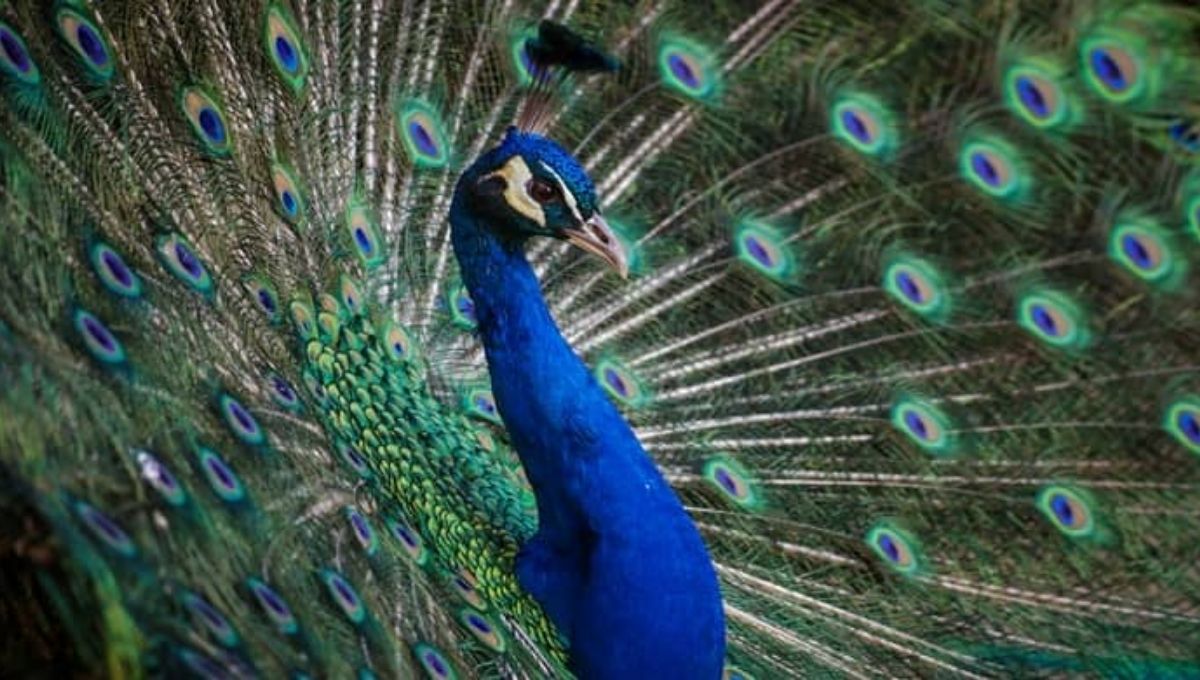

Dreams often act as whispers from God—hidden messages filled with signs and deep meaning. When a peacock shows up in your dream, it’s not just a bird showing off its shiny feathers; it could be a signal from heaven. In the Bible, dreams are more than thoughts in the mind—they are spiritual messages wrapped in signs. The peacock, with its royal look and colorful tail, holds layers of holy meaning, found in scripture, tradition, and human understanding.
Why Symbolism Matters in Biblical Dreams
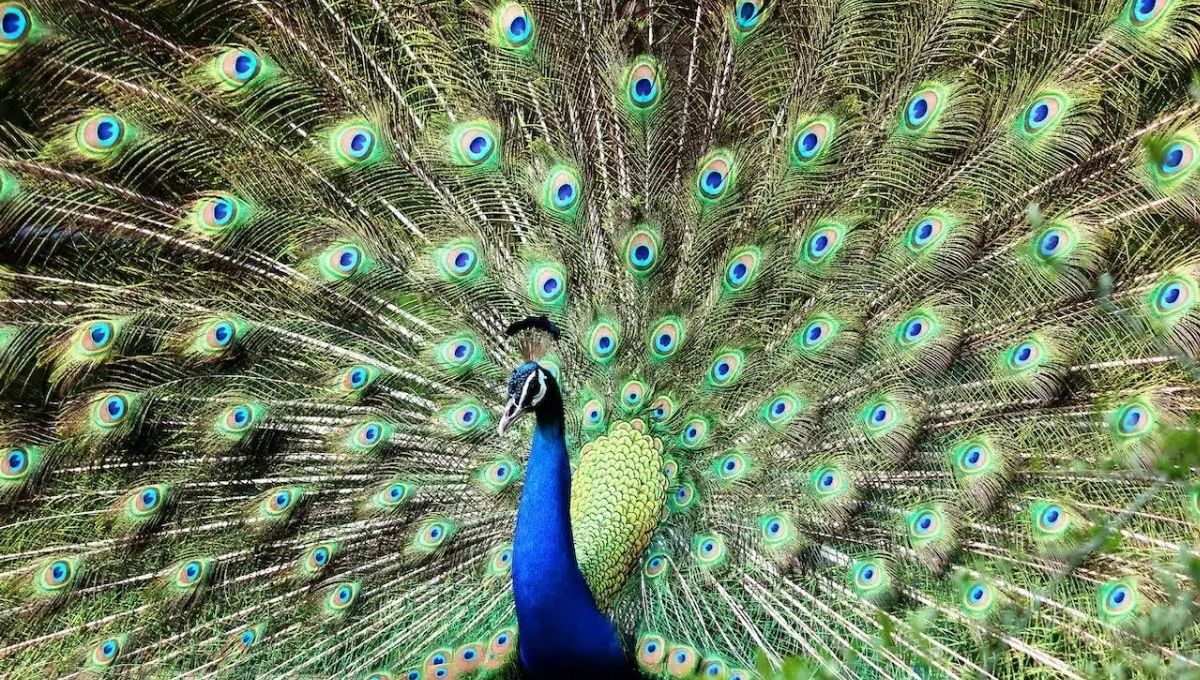
Symbolism is the special language of dreams. In the Bible, dreams are full of pictures—Jacob’s ladder, Pharaoh’s fat and thin cows, and Daniel’s beasts from the sea. Each picture is a carrier of God’s wisdom. Without knowing the hidden meaning, the message stays hidden.
Peacocks in dreams are not direct. They stand for spiritual ideas—change, God’s watchfulness, and sometimes human pride. Understanding these signs can turn a simple dream into a life-changing message.
Biblical and Historical Views on Peacocks
In the Bible and history, the peacock is not a main figure, but it shows up with strong meaning. Ancient Hebrews, influenced by nearby cultures, saw birds as messengers or signs of God’s power. In 1 Kings 10:22, Solomon’s ships brought peacocks along with gold and silver, showing wealth and rare beauty.
Early Christian art also used the peacock as a picture of eternal life, because people believed its flesh never decayed. Over time, its beauty was tied to spiritual thinking, making it a creature of mystery and holy meaning.
Peacock References in the Bible
Though not many, peacock mentions in the Bible are important. The most famous one is:
“For the king had at sea a navy of Tharshish… bringing gold, and silver, ivory, and apes, and peacocks.” – 1 Kings 10:22 (KJV)
This verse does not give a direct meaning but shows the bird’s link with wealth and blessing. The peacock’s presence in the king’s ships lifts its spiritual value, connecting it with prosperity, rarity, and God’s approval.
Ancient Cultures and the Sacred Symbol of the Peacock
Before modern times, the peacock carried deep meaning in many cultures. In Hinduism, the bird is linked to Saraswati and Lakshmi, goddesses of wisdom and wealth. In Greek and Roman culture, the peacock was holy to Hera (Juno), standing for watchfulness because of the “eye” designs on its feathers.
These ideas influenced early Jewish and Christian thought. The peacock became a sign of incorruptibility, rising above earthly limits, and spiritual growth—a holy symbol across cultures and faiths.
What Does a Peacock Symbolize Spiritually and Biblically?
Spiritually, the peacock shows God’s qualities—beauty that reflects His glory, eternal life, and the soul’s journey to truth. In the Bible, while not always direct, its meaning points to:
- Eternal Life – Early Christians believed its flesh never decayed.
- Watchfulness – The “eyes” on its feathers as God’s watch over us.
- Change – From a simple chick to a majestic bird, like spiritual rebirth.
The peacock’s meaning has two sides: it shows God’s glory but also warns against pride.
Peacock: An Example of Glory and Eternal Life
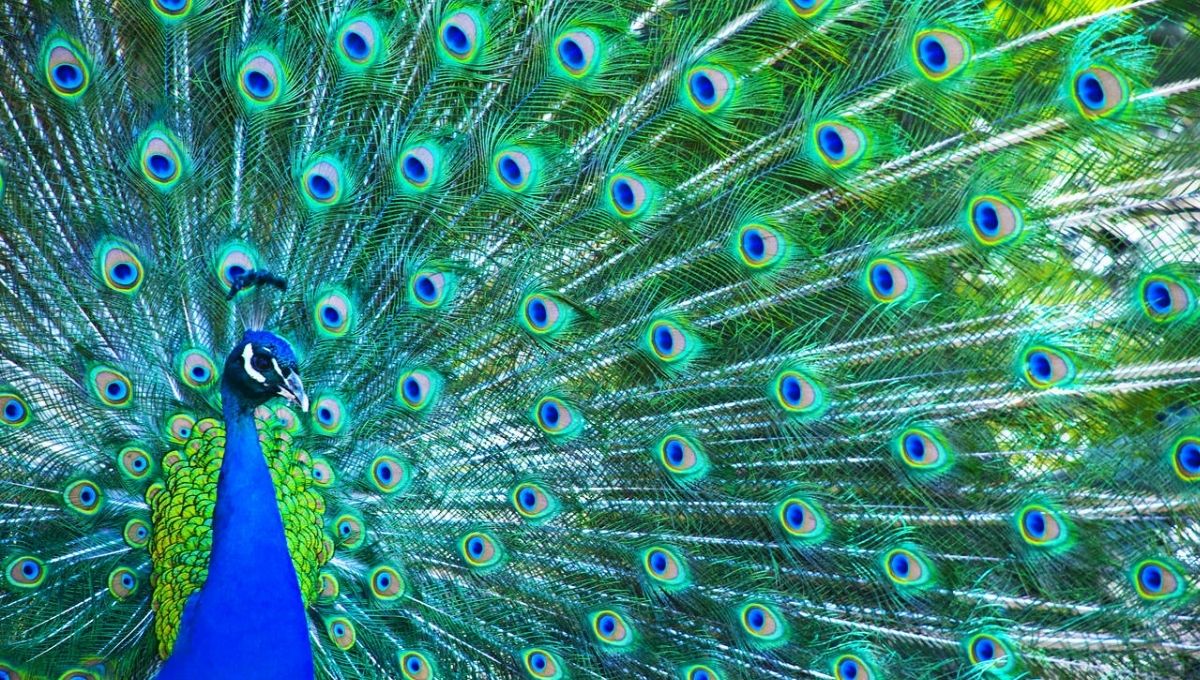
The peacock’s feathers are more than nature’s beauty—they were seen as a picture of heaven’s glory. Early Christians saw its new feathers as a sign of resurrection and eternal life. In the Byzantine era, churches and graves showed peacocks as a sign of victory over death.
Its tail, with shining colors, became a picture of heaven’s light on earth—bright, forever, and pure.
The Peacock’s Link to Resurrection and Spiritual Growth
The peacock’s link to resurrection comes from its feather shedding and regrowth. Each cycle was seen as dying to the old self and becoming new, like the Christian belief of rebirth.
In dreams, a peacock might show up during personal change or spiritual awakening. It calls the dreamer to rise higher and leave behind old fears or habits.
The Peacock’s Dual Nature: Beauty, Pride & Vanity
While the peacock is a wonder of creation, it also warns us in the Bible. Its proud walk and showy feathers remind us of Lucifer’s fall—beauty ruined by pride.
In dreams, the peacock may show inner pride or too much focus on looks. Yet, if seen in balance, it invites the dreamer to see true beauty from God without falling into ego.
Interpreting Dreams: Seeing a Peacock
Seeing a peacock in a dream can have different meanings:
- If it appears calm, it may show blessings, growth, or God’s favor.
- If it appears noisy or restless, it may warn against pride or shallow living.
- A white peacock may stand for purity, spiritual growth, or rare blessing.
The meaning always depends on the dream’s mood, setting, and details.
Dreaming of a Peacock: Pulling Back the Veil
Peacock dreams invite the dreamer to explore their inner self. Are you living your true God-given potential, or only admiring outward looks?
Such dreams often appear during times of choice, change, or self-check. They call the soul to go deeper—to find beauty not just in feathers, but in faith and growth.
Common Peacock Dream Scenarios and Their Meanings
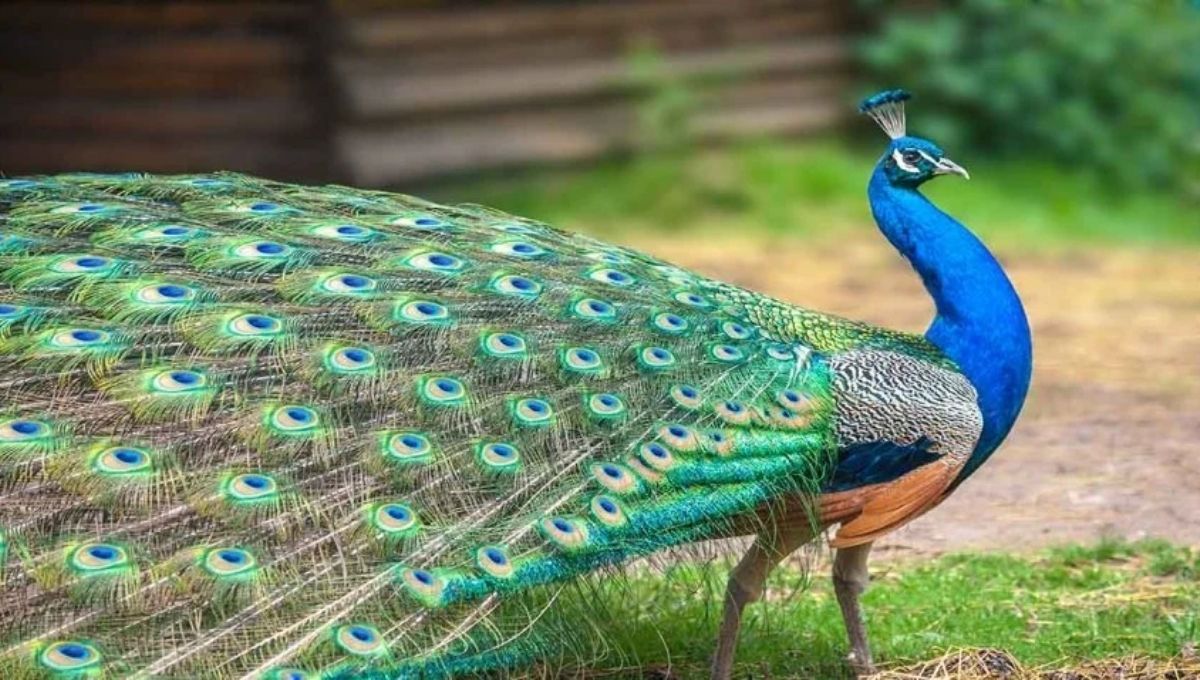
- Peacock Dancing – Joy, answered prayers, or spiritual celebration.
- Peacock Attacking – Pride issues, jealousy, or inner conflict.
- Peacock Shedding Feathers – Letting go of pride or preparing for new growth.
- Peacock Flying – Rising to higher awareness or freedom from worldly limits.
- Dead Peacock – Warning of missed spiritual chances or fading inner beauty.
Each case gives lessons—whether a warning, guidance, or celebration.
Feathers and Birds in the Bible: Messages from God?
Birds have always been God’s messengers. From the dove in Noah’s ark to the raven sent to Elijah, feathers in the Bible are more than decoration—they are signs of God’s care and purpose.
In this view, the peacock’s feathers—each with an “eye”—can stand for God’s all-seeing nature. In dreams, they may remind you that you are seen, known, and guided by God.
Paving Personal Pathways: Applying These Interpretations to Modern Life
Understanding peacock dreams is not just curiosity—it’s a call to reflect, change, and follow God’s truth. Whether you’re facing a career choice, relationship test, or personal growth, the peacock in your dream may be pointing you upward.
Ask yourself:
- Where do I need to let go of pride?
- What part of my soul is being renewed?
- How can I show God’s beauty without ego?
By asking such questions, ancient symbols become guiding signs in today’s life.
Embracing the Mystery & Majesty: The Power and Beauty of Dream Interpretation
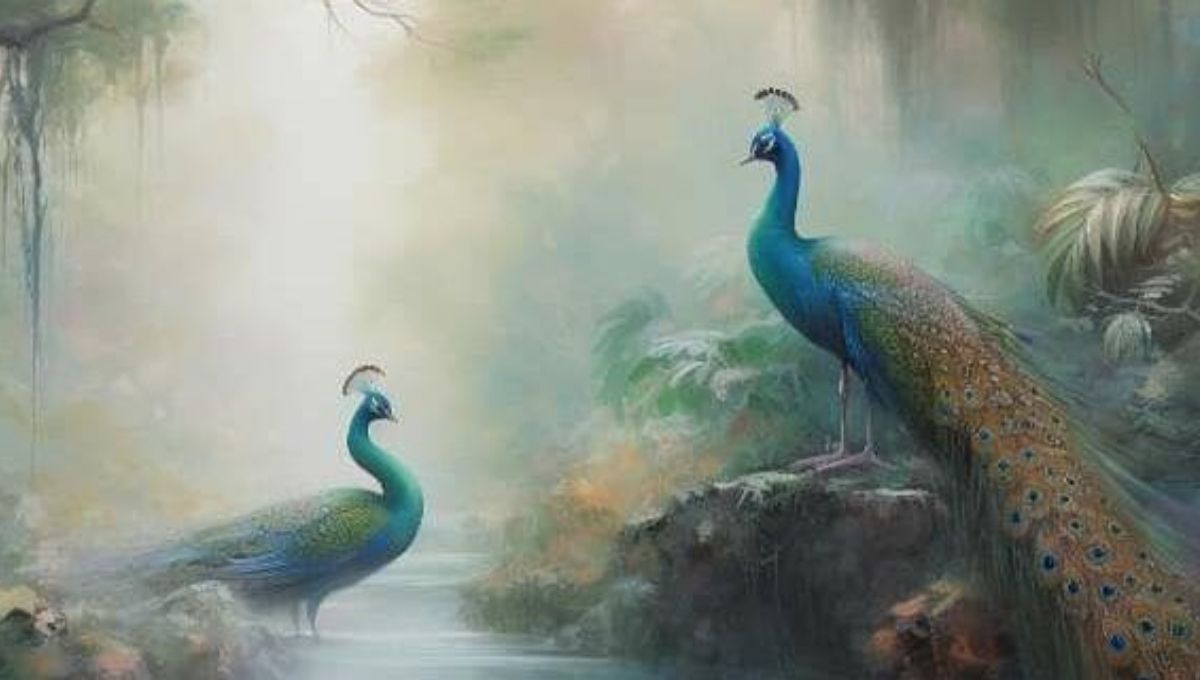
Dreams are the whispers of the soul. Signs like the peacock, full of mystery and wonder, show us that the spiritual world is always speaking. To understand these visions is not to solve a puzzle, but to accept a gift. Embrace your dream—not just as a picture, but as a holy mirror, showing your growth, struggles, and God’s plan for you.
FAQs
1. What does it mean to see a peacock in a dream biblically?
It can mean spiritual change, God’s favor, resurrection, or a warning against pride.
2. Is the peacock mentioned in the Bible?
Yes, 1 Kings 10:22 mentions peacocks as part of King Solomon’s imports, showing wealth, rarity, and blessing.
3. What is the spiritual meaning of a peacock’s feathers?
They often show God’s watchfulness, eternal beauty, and heavenly glory.
4. What does a white peacock mean in a dream?
It may mean purity, spiritual growth, and a rare blessing.
5. Can dreaming of a peacock be a warning?
Yes, it can warn against pride or ego, calling for humility and reflection.
Conclusion:
Peacock dreams are more than pretty visions—they are holy signs of change, eternal life, and spiritual wisdom. Whether a call to rise or a warning against pride, each dream invites deeper reflection. Accept their meaning as guidance from above, showing God’s care, plan, and the way to your highest spiritual self.
Read More: