
For emergency responders and fleet managers, the longevity of emergency lighting equipment is crucial to maintaining safety and budget efficiency. So, what is the typical lifespan of an LED emergency light bar?
A high-quality LED emergency light bar typically lasts between 40,000 to 50,000 hours of operation, translating to approximately 4.5 to 5.7 years of continuous use.
While this lifespan estimate is impressive, it’s important to note that several factors can significantly impact how long your LED light bar actually lasts in real-world conditions. Understanding these factors can help you maximize your investment and ensure optimal performance throughout the light bar’s life cycle.
What Factors Affect The Lifespan Of An LED Emergency Light Bar?
Several environmental and operational factors can impact how long your LED light bar will last. Temperature is one of the most significant factors, as excessive heat can dramatically reduce LED performance and lifespan. Regular exposure to extreme temperatures, whether hot or cold, can stress the electronic components and lead to premature failure.
Usage patterns also play a crucial role. While LEDs are rated for tens of thousands of hours, frequent power cycling (turning the lights on and off) can strain the components. Additionally, voltage fluctuations and electrical system issues in the vehicle can affect the light bar’s longevity.
How Can You Extend The Life Of Your LED Emergency Light Bar?
Proper maintenance is key to maximizing your light bar’s lifespan. Regular cleaning of the lens covers prevents dirt and debris buildup that can trap heat. Inspecting and maintaining proper seals helps prevent moisture intrusion, which can cause internal corrosion and electrical shorts.
It’s also important to ensure your vehicle’s electrical system is in good condition. Installing voltage regulators and surge protectors can help protect the light bar from damaging power fluctuations. Additionally, allowing adequate cooling time between uses can help prevent heat-related stress on the components.
What Are The Signs That Your LED Light Bar Needs Replacement?
While LED light bars are designed for long-term use, they do eventually show signs of wear. Dimming or inconsistent light output is often the first indicator that an LED light bar is approaching the end of its life. Individual LED modules may fail, creating dark spots or uneven illumination patterns.
Other warning signs include moisture infiltration, which may appear as condensation inside the housing, or visible damage to the outer lens cover. Physical damage from impacts or severe vibration can also compromise the light bar’s integrity and performance. When these signs appear, it’s important to plan for replacement to maintain safety and compliance standards.
How Does LED Technology Compare To Traditional Emergency Light Bars?
LED technology offers significant advantages over older halogen or strobe light systems. While traditional emergency lights typically last only 500-2,000 hours, LED light bars can operate 20-25 times longer. This dramatic difference in lifespan makes LEDs a more cost-effective choice despite their higher initial purchase price.
LEDs also consume significantly less power, reducing strain on your vehicle’s electrical system and improving fuel efficiency. They produce less heat during operation and are more resistant to shock and vibration, contributing to their longer lifespan. Additionally, LED light bars provide brighter, more visible illumination and can be seen from greater distances, enhancing safety for emergency responders.
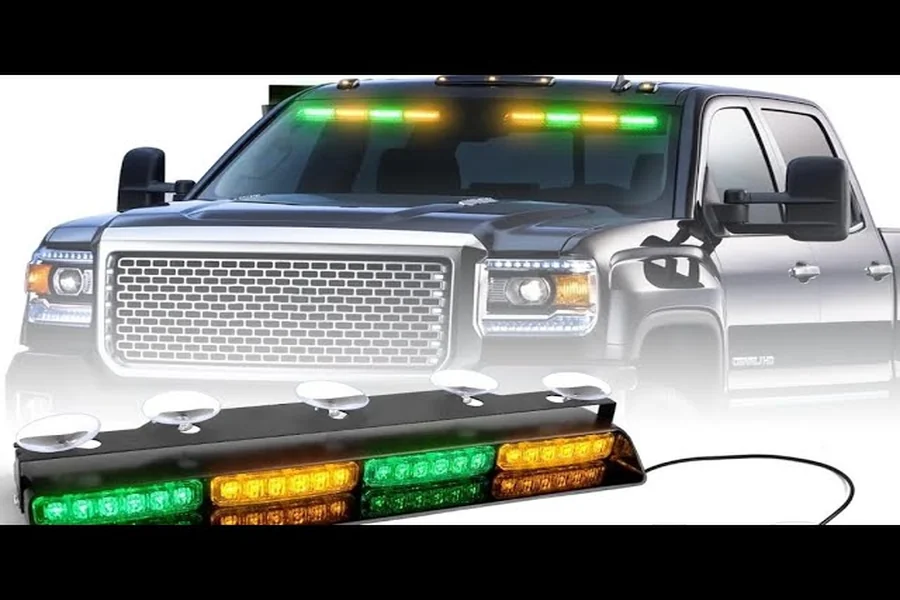
For those seeking more compact options with similar durability benefits, visor-mounted LED light bars offer excellent alternatives that can be installed in vehicle interiors while providing powerful visibility.
What Should You Consider When Replacing An LED Emergency Light Bar?
Several factors deserve careful consideration when it’s time to replace your LED light bar. First, ensure any replacement meets current safety standards and regulations for emergency vehicles in your jurisdiction. These requirements may have changed since your original light bar was installed.
Consider whether technological improvements in newer models might offer benefits worth the investment. Modern LED light bars often feature enhanced controls, better weather resistance, and improved energy efficiency compared to older models. Additionally, evaluate mounting compatibility with your existing setup and whether any electrical system upgrades might be necessary to support the new unit’s requirements.
Some departments and organizations establish a regular replacement schedule based on hours of use or years of service, rather than waiting for failure. This proactive approach helps prevent unexpected downtime and ensures consistent performance across the fleet. When budgeting for replacement, remember to factor in not just the cost of the light bar itself, but also any necessary installation or electrical work.
Conclusion
Now that you understand the typical lifespan of LED emergency light bars and the factors that affect their longevity, the most important step you can take is to establish a regular maintenance schedule. Create a monthly checklist that includes cleaning the lens covers, inspecting seals, and checking for any signs of dimming or damage, which will help you maximize your light bar’s lifespan and ensure it performs reliably when needed.