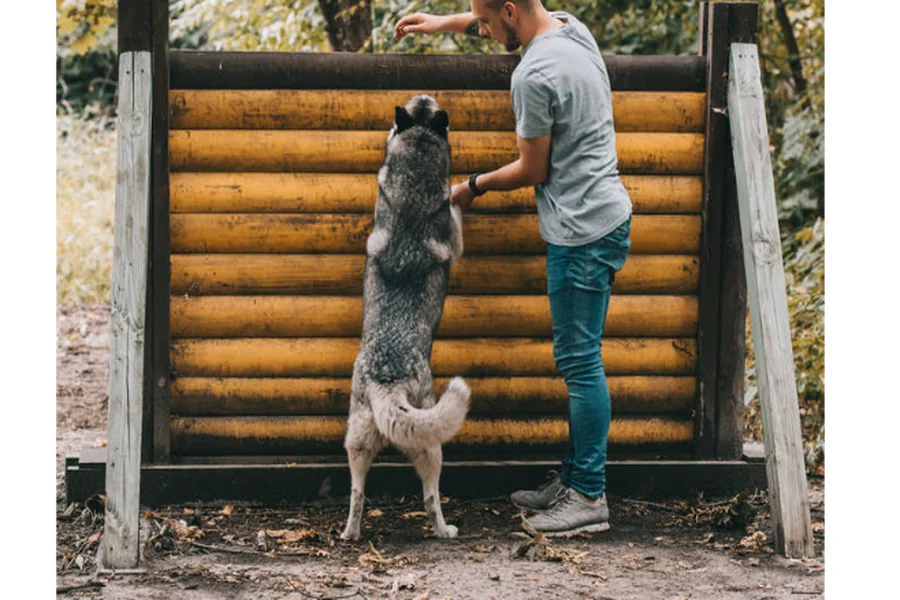

Dog training is a cornerstone of responsible pet ownership, playing a vital role in fostering well-behaved pets, improving communication, and ensuring safety. Beyond simply teaching commands, training strengthens the bond between dogs and their owners, creating a harmonious home environment. Mastery of canine behavior allows owners to anticipate needs, address challenges, and cultivate mutual respect, setting the stage for a fulfilling companionship.
This article presents professional insights into effective dog training, highlighting proven techniques, behavioral strategies, and advanced methods designed to improve obedience, socialization, and overall pet well-being.
The Basics of Dog Training
Understanding Canine Behavior
A thorough understanding of canine behavior forms the foundation of successful training. Dogs communicate through body language, vocalizations, and subtle cues. Recognizing these signals enables owners to respond appropriately, reinforcing positive behavior while gently correcting missteps. Awareness of instincts, energy levels, and social tendencies enhances communication and fosters a deeper connection.
Consistency and Patience
Consistency and patience are critical to achieving lasting results. Training is most effective when commands, schedules, and routines are applied steadily. Repetition reinforces learning, while patience allows for gradual mastery, helping both dogs and owners navigate challenges with confidence.
Positive Reinforcement
Positive reinforcement strengthens desirable behaviors through rewards such as treats, praise, or play. This method encourages repetition of good behavior, increases motivation, and nurtures an enjoyable learning environment for pets. It also reinforces the human-animal bond by associating training with positive experiences.
Fundamental Training Techniques
Clicker Training
Clicker training is a highly effective method that uses a distinct sound to mark correct behaviors. By pairing the click with a reward, dogs learn to associate actions with positive outcomes, accelerating obedience and enhancing communication between pet and owner.
Behavior Correction
Behavior correction focuses on addressing undesired behaviors by identifying triggers, redirecting energy, and reinforcing alternative actions. With a structured approach, owners can reduce unwanted habits while cultivating trust and understanding.
Advanced Training Techniques
Agility Training
Agility training challenges dogs physically and mentally, improving coordination, reflexes, and endurance. Obstacle courses and timed drills enhance responsiveness, while simultaneously providing a fun and stimulating activity.
Socialization Tactics
Proper socialization ensures dogs interact safely with people, pets, and new environments. Exposure to varied stimuli in controlled settings promotes confidence, reduces anxiety, and encourages positive behavioral development.
Leash and Off-Leash Training
Leash training teaches dogs to walk calmly without pulling, improving safety and control. Off-leash training builds reliability without restraints, fostering independence while maintaining obedience and trust between pet and owner.
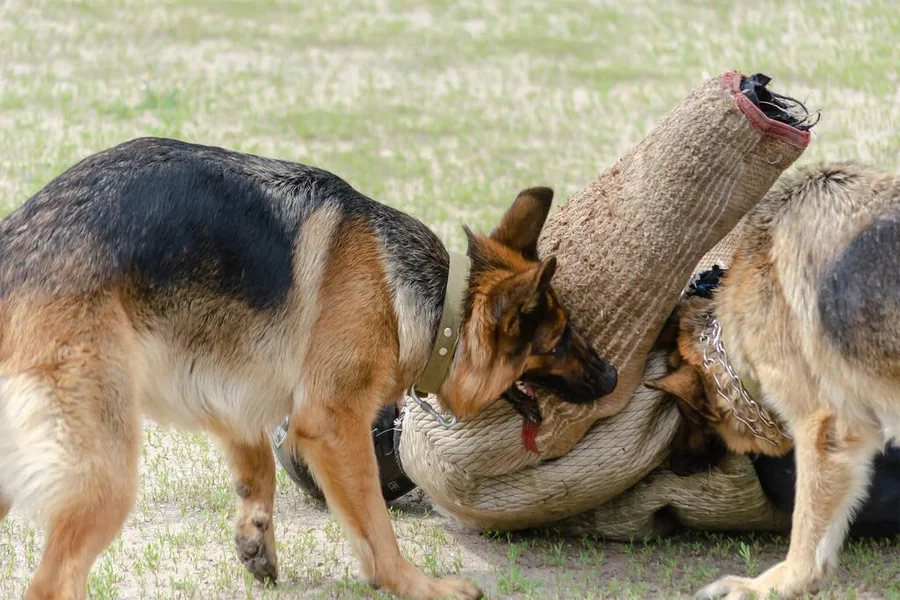
Expert Insights for Effective Obedience
Building Trust and Companionship
Trust is the cornerstone of any successful training program. Dogs respond best to owners who are consistent, fair, and attentive. Strong companionship enhances motivation, reduces stress during training, and promotes cooperation in various scenarios.
Selecting the Right Tools and Techniques
Effective training requires appropriate tools, whether clickers, leashes, or rewards, combined with methods suited to the dog’s personality and temperament. Tailored approaches ensure learning is engaging, efficient, and reinforces positive behaviors.
Maintaining a Consistent Schedule
Structured routines are essential. Consistent training sessions, feeding times, and exercise schedules provide predictability, reduce behavioral issues, and enhance the dog’s ability to learn and retain commands.
Addressing Behavioral Problems
Identifying and managing problem behaviors early prevents escalation. Effective strategies include careful observation, environmental adjustments, and positive reinforcement to redirect attention and reinforce desirable actions.
Choosing the Right Training Method
Breed, temperament, and individual personality influence training effectiveness. Some dogs respond best to high-energy activities, while others thrive under gentle encouragement. Professional guidance ensures methods align with a dog’s unique needs.
For comprehensive and professional guidance in dog training, Waggie Dog Training School – Top Reviewed in Singapore offers structured programs, expert instructors, and a reputation for transforming unruly pets into obedient, confident companions. Their approach combines foundational techniques with modern methods, providing a tailored experience that maximizes results for every dog-owner pair.
Dog Training FAQs
What is the 3-3-3 rule for dog training?
The 3-3-3 rule refers to a phased adjustment period: three days for initial adaptation, three weeks for familiarization, and three months for long-term settling into a new environment.
What are the five golden rules of dog training?
The five essential principles are consistency, positive reinforcement, patience, clear communication, and realistic expectations. These rules ensure effective learning and a strong owner-pet bond.
What is the 7-7-7 rule?
This rule approximates dog age relative to humans, where one human year equals roughly seven dog years, helping owners gauge development and tailor training accordingly.
What are the seven basic commands for dogs?
Sit, stay, come, down, heel, off, and no are the foundational commands that form the basis of obedience and everyday safety.
Conclusion
Effective dog training combines knowledge, patience, consistency, and the use of proven techniques. By understanding canine behavior, applying positive reinforcement, and addressing problem behaviors with care, owners can foster well-mannered, confident, and happy pets. Advanced methods, including agility, leash, and off-leash training, further enhance skills and strengthen bonds. For those seeking expert guidance, Waggie Dog Training School – Top Reviewed in Singapore provides professional programs that deliver measurable results, transforming obedience and building lifelong connections. By embracing these strategies, dog owners can unlock their pet’s full potential and enjoy a harmonious, rewarding relationship with their four-legged companions.