

Keratin treatments have become a cornerstone of modern hair care, offering a solution for frizz, dullness, and unmanageable strands. These treatments, which infuse hair with keratin proteins, smooth and strengthen hair while enhancing shine and manageability. The procedure generally involves applying a keratin-enriched solution followed by heat styling to lock in the protein and create long-lasting results.
Understanding the financial aspect of keratin treatments is as essential as understanding the treatment itself. Consumers who are aware of the costs, potential hidden fees, and long-term benefits are better equipped to budget, select reputable salons, and achieve the results they desire without unnecessary surprises.
Understanding Keratin Treatments
A Brief History
Keratin treatments first gained traction in the early 2000s as innovative solutions for smoothing frizz-prone hair. Over the years, formulations have evolved to be gentler, more effective, and longer-lasting. Salons worldwide now offer a variety of keratin-based services, each designed to meet diverse hair types and styling preferences.
The Role of Keratin in Hair Health
Keratin is a vital protein that constitutes the structural backbone of hair strands. It strengthens hair fibers, prevents breakage, and promotes resilience against environmental damage. By replenishing keratin levels, treatments help restore a healthy appearance and texture, contributing to hair that feels soft, glossy, and manageable.
How the Treatment Works
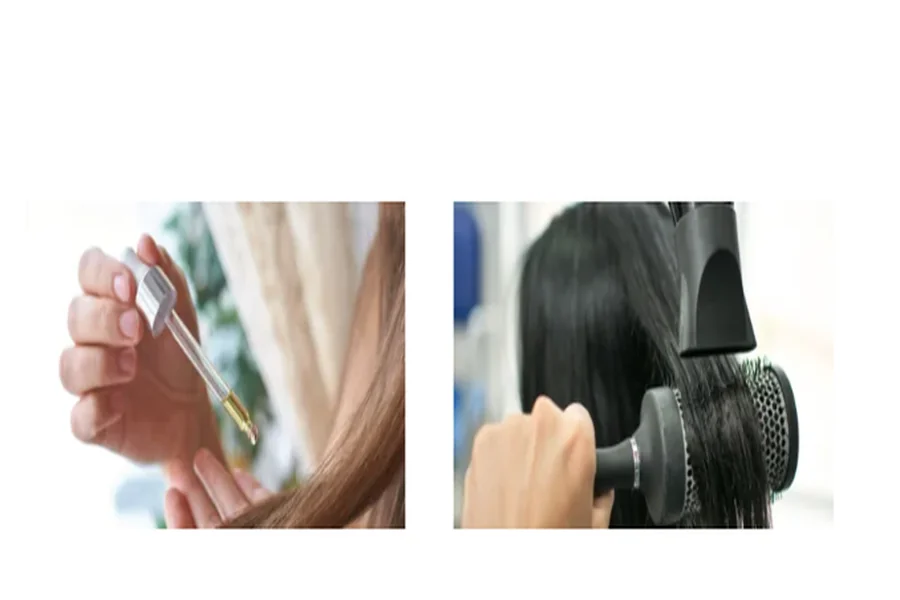
The treatment process typically begins with a professional application of a keratin-infused solution. Following this, hair is carefully blow-dried and flat-ironed to seal the protein into the hair shaft. The result is smooth, frizz-free, and shiny hair that can last from several weeks to months depending on hair type and care routine.
Factors Influencing the Cost of Keratin Treatment
Several variables can impact the overall price of a keratin treatment:
- Product Quality: Higher-quality formulations, often free from harsh chemicals, provide superior results and minimize potential damage. Investing in premium products ensures the treatment is effective and safe.
- Hair Length and Thickness: Longer or thicker hair requires more product and processing time, which naturally increases the total cost.
- Stylist Expertise and Salon Reputation: Experienced professionals in reputable salons may charge more, but their skill guarantees precise application and reduced risk of damage.
The Range of Keratin Treatment Costs
Keratin treatment prices vary widely based on geography, salon prestige, and hair characteristics. Urban salons often charge more than smaller-town establishments due to higher overhead costs and demand. Seasonal promotions or package deals can also influence pricing.
Across regions, average costs fluctuate, reflecting local economies and market trends. While metropolitan areas may see higher rates due to premium services and sophisticated products, smaller cities might offer more affordable options without compromising quality.
When considering a treatment, it’s essential to know the average keratin treatment cost, which provides a realistic benchmark for budgeting and comparing different salons. Knowing the keratin treatment cost helps balance expectations between price, quality, and long-term results.
Hidden Costs to Consider
Keratin treatments, when executed improperly, can lead to unintended consequences. Poor application may cause uneven texture, dryness, or damage, necessitating additional corrective treatments. These repair sessions often add significant financial strain and can offset any initial savings from choosing a lower-cost salon.
Ways to Make Keratin Treatments More Affordable
Salons and hair care professionals frequently offer payment plans or seasonal discounts to make treatments accessible to a wider clientele. Additionally, at-home keratin kits provide a cost-effective alternative, though results may vary compared to professional applications. Understanding the trade-offs between affordability, convenience, and effectiveness is key to making an informed choice.
Keratin Treatment Cost FAQs
How long does a keratin treatment last?
Typically, results last between two to six months, depending on hair type and maintenance. Using sulfate-free shampoos and minimizing heat styling can extend the longevity of the treatment.
Is keratin treatment good for hair?
Yes, keratin treatments reduce frizz, improve manageability, and add shine. However, individual results depend on hair type, previous treatments, and the specific formulation used.
Why is keratin so expensive?
The high cost is due to the sourcing of quality keratin, often from labor-intensive extraction processes, and strong market demand for professional-grade hair care services.
Which is better: Brazilian blowout or keratin treatment?
Brazilian blowouts smooth hair while preserving volume, whereas keratin treatments primarily focus on straightening and reducing frizz. The choice depends on hair type and desired results.
Conclusion
Understanding the costs associated with keratin treatments is essential for anyone considering this transformative hair procedure. By factoring in hair type, product quality, stylist expertise, and geographic differences, consumers can make informed decisions that maximize results while minimizing unexpected expenses.
Awareness of the keratin treatment cost allows clients to compare options, anticipate hidden fees, and plan for long-term maintenance. Whether opting for a professional salon treatment or exploring at-home alternatives, evaluating all factors ensures the investment is worthwhile and delivers the sleek, shiny, manageable hair that keratin treatments promise.
Ultimately, knowledge and careful planning empower individuals to enjoy healthier, more beautiful hair while confidently managing their budget.