
Does your child have tooth pain that won’t go away or trouble chewing? Sometimes, regular dental care isn’t enough to fix these problems. For serious issues like infections or misaligned teeth, oral surgery might be the best solution.
Keep reading to learn when pediatric oral surgery is necessary and how you can help your child through it.
Key Takeaways
- Oral surgery is needed for serious dental issues like tooth decay, infections, trauma, or misaligned teeth in kids. Early treatment can prevent bigger health problems later.
- Severe tooth decay may need extractions to stop pain and infection from spreading to other areas of the mouth or body.
- Conditions like cleft lip, tongue-tie, or delayed tooth eruption often require surgical care to improve oral function and health.
- Anesthesia keeps children calm and safe during procedures. Post-surgery care includes soft foods, gentle brushing, and monitoring swelling or pain for quick recovery.
- Regular check-ups help spot issues early so dentists can recommend timely surgical treatments when needed.
Common Reasons for Pediatric Oral Surgery
Sometimes, kids face oral issues that need more than regular dental care. These situations may call for surgical steps to protect their smiles and health.
Severe tooth decay and infection
Severe tooth decay can damage a child’s teeth beyond repair. If fillings or crowns cannot save the tooth, extraction is necessary. Cavities that are left untreated may lead to dental infections or abscesses.
These infections cause pain and swelling in the gums or face and could spread if not treated quickly.
Sometimes oral surgery is needed to stop serious infections from affecting overall health. For example, a baby tooth with deep decay might require removal to protect surrounding teeth and tissue.
In cases like this, pediatric dentists may perform procedures under general anesthesia for comfort and safety during treatment.
Dental trauma from accidents or sports
Teeth can get broken, loosened, or even knocked out during sports or accidents. Jaw injuries and facial trauma may also happen. These issues might need pediatric oral surgery for proper care.
A child with an avulsed tooth (a completely knocked-out tooth) often needs immediate attention to save the tooth or prevent infection.
In some cases, damaged baby teeth block developing of permanent teeth. This could lead to extractions under general anesthesia in a dental office or hospital setting. Sports-related injuries causing abnormal bites, swelling, or difficulty speaking should be checked by an oral surgeon right away.
Pediatric dentists specialize in treating these kinds of emergencies safely for children’s growing mouths and jaws.
Impacted or misaligned teeth
Impacted teeth occur when a tooth cannot fully come through the gums. This often happens with permanent teeth like wisdom teeth or canines. Such issues may cause pain, infection, or crowding.
For families in need of surgical solutions, many dental practices offer pediatric teeth extractions in Fullerton to address these urgent issues effectively.
Tooth exposure or extraction is sometimes needed to fix this and allow proper dental growth. Early treatment helps avoid severe problems later.
Misaligned teeth might affect chewing, speech, or even jaw alignment. Kids with crooked teeth may need an oral surgeon if braces alone cannot correct the issue. Procedures can create space in crowded mouths or guide unerupted teeth into place for better oral health and function!
Congenital conditions such as a cleft lip or palate
Cleft lip and palate affect how children eat, speak, and even smile. Surgery fixes these issues early, often within the first year of life. This helps kids grow healthier and feel more confident.
Some children may also have tongue-tie or lip-tie. These conditions make feeding or moving the mouth harder. A simple procedure called a frenectomy can improve oral function quickly.
Signs That a Child May Need Oral Surgery
If your child’s mouth pain lingers or simple tasks like chewing feel hard, it might be time to look into dental surgery.
Persistent pain or swelling
Persistent pain in a child’s mouth often points to serious dental issues. It may mean severe tooth decay, an abscess, or damaged dental pulp. Swelling around the gums or face usually signals infection or impacted teeth.
Ignoring this can lead to worse problems like facial injuries or gum disease.
Children with ongoing swelling might struggle during meals or get cranky while brushing their teeth. Apply ice packs for relief and talk to your pediatric dentist if symptoms persist.
Over-the-counter pain medicine, approved by an oral surgeon, helps manage discomfort until further treatment is done. Early care prevents complications and keeps dental health on track!
Difficulty eating or speaking
Pain and swelling in the mouth can also lead to trouble eating or speaking. Children may avoid chewing hard foods due to discomfort or struggle with swallowing soft ones. If a child consistently skips meals or has problems saying certain words, it might signal dental issues needing surgical intervention.
Conditions like tongue-tie, misaligned teeth, or jaw structure problems often make speech and eating difficult. A child who complains of pain while talking or refuses their favorite snacks should be evaluated quickly by an oral surgeon.
Early diagnosis helps prevent long-term challenges with communication and nutrition.
Delayed or abnormal tooth eruption
Delayed tooth eruption can signal bigger oral health concerns. Retained baby teeth often block permanent teeth, leading to misalignment or crowding. This may require tooth extractions by a pediatric oral surgeon.
Impacted teeth that fail to emerge properly can also cause similar problems.
Regular dental check-ups help spot unusual eruption patterns early. Early intervention prevents future orthodontic issues and supports healthy jaw growth. Pediatric dentists use diagnostic tools during visits to monitor these changes closely, ensuring timely treatment when needed.
Preparing Your Child for Oral Surgery
Talking to kids about surgery can feel tricky, but keeping it simple helps. Use calm words, and focus on making them feel safe and cared for.
Discussing the procedure in child-friendly terms
Explain the dental procedure to your child like a story. Use simple words. Say something like, “The dentist will clean out the sick part of your tooth and make it feel better.” Avoid scary terms like “drill” or “cut.” Call tools by friendly names, such as calling anesthesia “sleepy air” or sedation “magic medicine.”
Encourage your child to ask questions. Let them know it’s okay to be curious or nervous. Stay calm and positive while explaining how this helps their oral health in the long run.
You can mention that after surgery, they’ll have stronger teeth for chewing yummy foods or smiling big! Bring their favorite stuffed animal along for comfort during visits with pediatric dentists.
Next up: learn about anesthesia and its role in keeping children safe during surgery. The performance of the surgical team is crucial for ensuring a smooth procedure and a quick recovery for your child.
Explaining the role of anesthesia and sedation
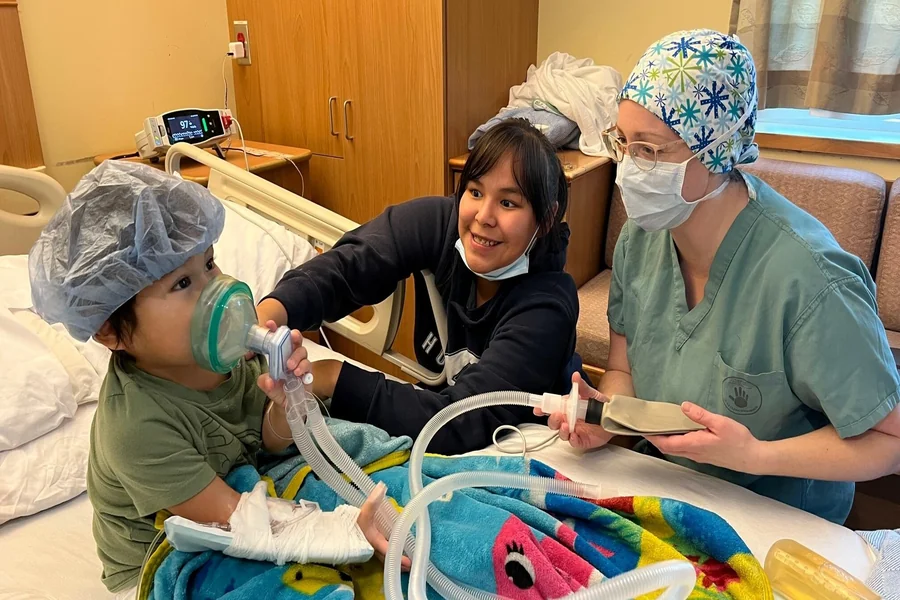
Anesthesia and sedation keep kids calm and pain-free during oral surgery. General anesthesia makes them sleep deeply, staying still while the pediatric dentist works. Laughing gas or sedation helps reduce dental anxiety for smaller procedures, allowing your child to relax.
The dental team explains the process fully before surgery day. Parents can stay until their child feels sleepy from the medicine, easing worries for both sides. Afterward, mild grogginess or discomfort is normal but fades quickly with rest and care at home.
Always follow fasting rules and share details about any medications before the procedure begins.
Post-Surgery Care and Recovery Tips
Caring for your child after oral surgery can feel tricky, but it doesn’t have to be. Simple steps at home can make healing smoother and help prevent problems later on.
Managing pain and swelling
Pain after oral surgery can be eased with over-the-counter pain medicine. Talk to the dental provider about safe options for your child. If a stronger medication is needed, follow the prescription instructions closely.
Swelling is common and should lessen in a few days. Place an ice pack on the swollen area for 15-20 minutes at a time to reduce discomfort. Keep straws away from kids since suction might harm healing tissue.
Reach out to their pediatric dentist if swelling or pain gets worse instead of better.
Maintaining a soft-food diet
A soft-food diet helps a child recover smoothly after oral surgery. Foods like mashed potatoes, applesauce, yogurt, and oatmeal are gentle on healing gums. Avoid hard or sticky options like chips, candy, and nuts as they can irritate the surgical site or cause pain.
Serve small meals throughout the day to keep their energy up. Encourage sipping water often to stay hydrated without using straws, which may disrupt healing. Gradually reintroduce solid foods based on your oral surgeon’s advice as your child feels better.
Watch for any issues eating or signs of dehydration as you move into encouraging proper hygiene during healing.
Encouraging proper oral hygiene during healing
After sticking to soft foods, gentle oral care becomes key. Supervise your child as they brush their teeth softly, avoiding the stitches or sore spots. Use a toothbrush with soft bristles and fluoride toothpaste.
Do not let them rinse too hard or spit for at least 24 hours.
Warm salt water rinses can help reduce swelling and prevent infection. Avoid mouthwash with alcohol until healing finishes. Check daily for redness, swelling, or fever; report these signs to the dentist right away.
Keep up with follow-up dental visits to track progress and ensure proper recovery.
Conclusion
Surgical dental procedures can feel overwhelming, but they play a big role in protecting your child’s oral health. Addressing issues like decay, trauma, or alignment early keeps problems from snowballing later.
With the right care and guidance, young smiles heal quickly and stay strong for years to come. Talk with your pediatric dentist about any concerns you have—they’re there to help.
A healthy mouth sets the stage for a happy life!