
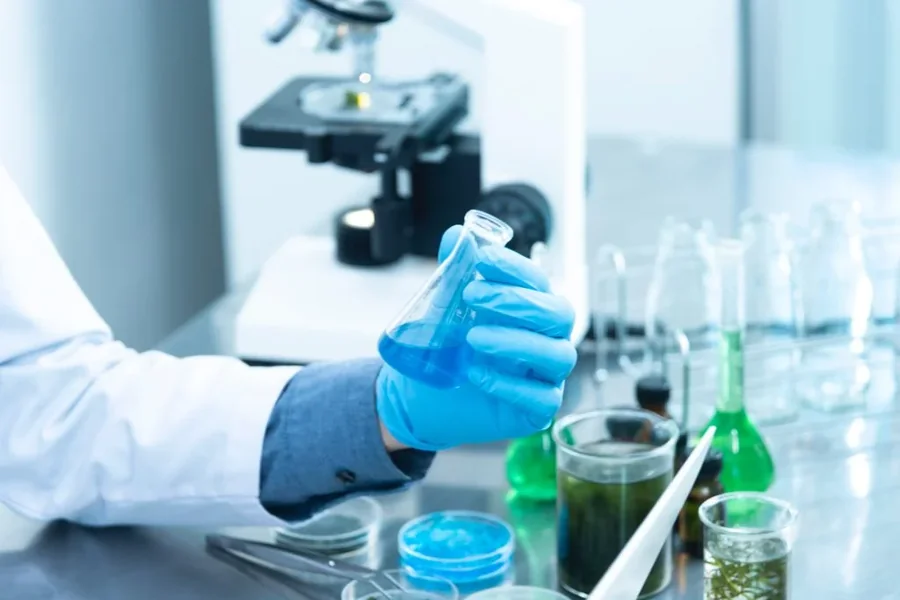

When you pick up a product from a store shelf, you don’t think twice about whether it’s safe to use. That confidence doesn’t come by accident; it’s the result of rigorous testing and analysis happening behind the scenes. Analytical laboratories play a significant role in ensuring products meet safety standards and regulatory requirements before they reach consumers.
The Foundation of Consumer Trust
Product safety isn’t just about avoiding lawsuits or bad press. It’s about protecting people who use your products every day. Whether we’re talking about food, cosmetics, pharmaceuticals, or industrial materials, every item must meet specific safety standards.
Analytical labs do the heavy lifting by:
- Testing raw materials and finished products for contaminants, toxins, or harmful substances
- Verifying that ingredients match what’s listed on the label
- Ensuring products maintain their quality throughout their shelf life
- Identifying potential hazards before products hit the market
Without these checks, companies would essentially be gambling with consumer health. And let’s be honest, that’s not a gamble worth taking.
Meeting Regulatory Standards Across Industries
Different industries face different compliance requirements. A pharmaceutical company must navigate FDA regulations, while a food manufacturer must comply with USDA and FDA guidelines. Chemical products may fall under EPA jurisdiction, and consumer goods often must meet CPSC standards.
Here’s where things get tricky: regulations aren’t static. They evolve as new research emerges and as governments respond to health concerns. H&M Analytical lab and similar facilities stay on top of these changing requirements, helping businesses adapt their testing protocols to remain compliant. It’s not just about passing a one-time test; it’s about maintaining ongoing compliance.
The consequences of non-compliance can be severe:
- Product recalls that damage brand reputation
- Hefty fines and legal penalties
- Loss of consumer trust that takes years to rebuild
- Potential harm to end users
Quality Control That Goes Beyond the Basics
Sure, meeting minimum standards is essential, but most successful companies aim higher. Analytical testing helps businesses understand their products at a molecular level. This deeper knowledge leads to better formulations, improved manufacturing processes, and, ultimately, superior products.
Think about it this way: testing reveals patterns. A particular ingredient may break down faster than expected under specific conditions. Or a manufacturing process introduces inconsistencies that weren’t obvious during initial trials. Catching these issues early saves money and prevents bigger problems down the road.
Building Competitive Advantage
Companies that invest in thorough analytical testing often find that it gives them an edge in the marketplace. When you can prove your product is purer, safer, or more effective than competitors, that’s powerful marketing. Third-party lab certifications and test results provide objective evidence that builds credibility.
Consumers are more informed than ever. They read labels, research ingredients, and make purchasing decisions based on safety profiles. Having solid analytical data to back up your claims isn’t optional anymore; it’s expected.
The Bottom Line
Analytical laboratories serve as the gatekeepers between production facilities and consumers. They provide the objective, scientific validation that products are safe, compliant, and high-quality. For businesses, partnering with reliable testing facilities isn’t just about checking boxes; it’s about demonstrating commitment to consumer welfare and maintaining the integrity of their brand.
In an era where one contamination incident can go viral within hours, the role of analytical labs has never been more critical. They’re not just testing products; they’re protecting reputations, safeguarding consumers, and helping businesses navigate an increasingly complex regulatory landscape.


