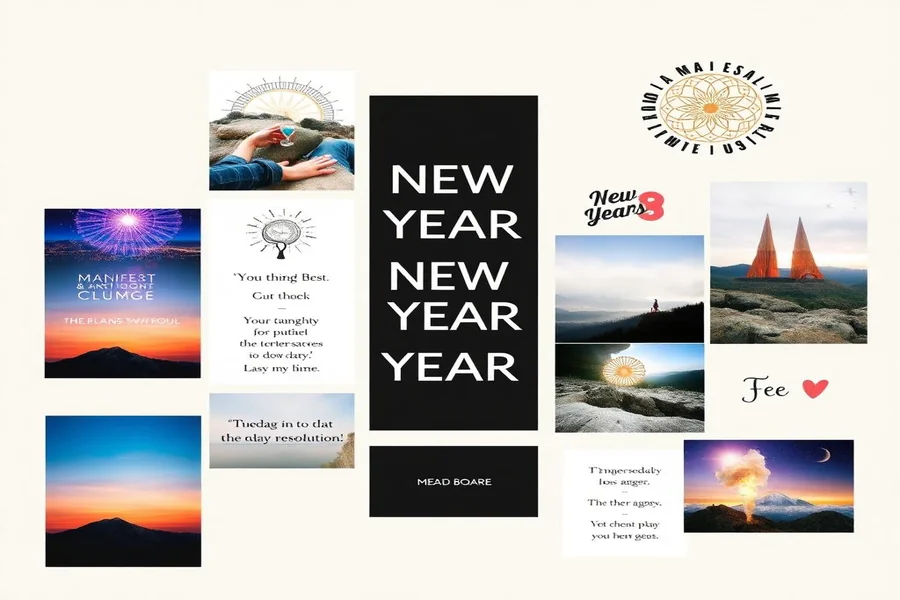

As 2026 approaches, many make resolutions for self-improvement, whether that’s trying new things, enhancing relationships, or making better choices. Creating a mood board can help visualize your goals and keep you inspired. Understanding the spiritual and mental benefits of visualization can also aid in achieving your resolutions.
The Effects of Visualization Techniques
Visualization transcends art; it’s a spiritual and mental discipline. As you envision your goals, your subconscious begins to work towards them. Creating a mood board clarifies goals and fosters emotional connection. Spiritual beliefs suggest that thoughts and desires can alter reality. By adding symbols, affirmations, and images, your mood board enhances your commitment and focus on your aspirations throughout the year.
Takeaway: Mood boards are a terrific way to get your ideas and goals in sync. They use both psychological and spiritual factors.
Ways to Make a Vision Board That Shows What You Want to Do in 2026
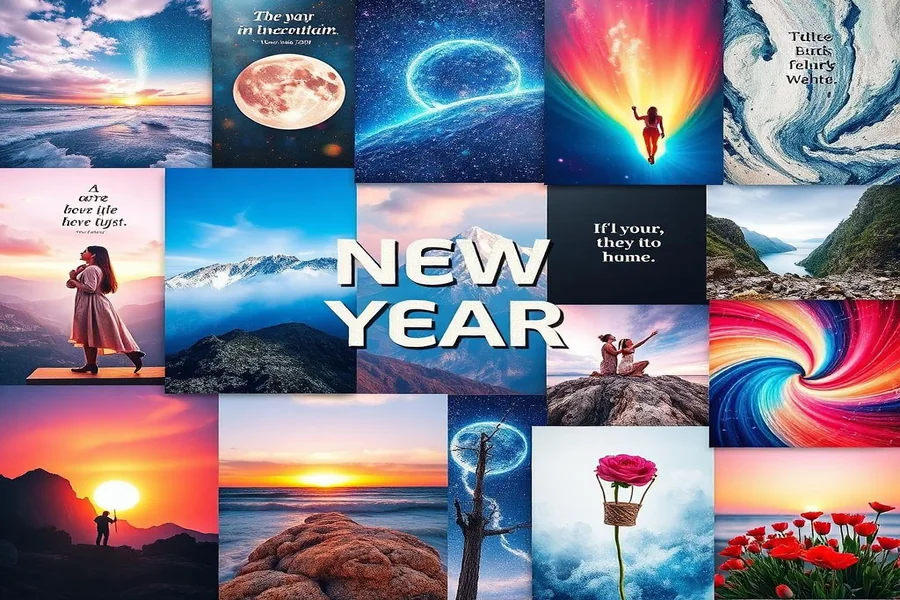
You can create a mood board as simple or as hard as you want. This is the advice for you if you want to make sure that your resolutions are important and useful for reaching your goals.
Step 1: Reflect on Your Goals
Before you start constructing your mood board, think about what you want to accomplish in 2026. Think about the chance of:
- How do I want to make my life better?
- What feelings do I want to grow?
- Let me know what accomplishments I should be proud of.
Write down or think about what you actually want while you answer these questions.
Step 2: Gather things that inspire you.
Collect tools that will help you stay on track and reach your goals. This could mean:
- Pictures of destinations you want to go to, fitness goals you want to reach, or changes you want to make in your life that are related to your goals.
- Quotes and words of encouragement may do wonders for your mood and how you see life.
- You can use spiritual symbols or visuals to represent the things you want.
You can either cut out pictures from magazines or get them from the internet. Don’t be shocked if other ideas come to you while you work on this.
Step 3: Choose a Digital Tool
A digital tool might make a mood board more fun. Adobe Express is highly recommended because it has an easy-to-use interface and can save all of your files in one place. You can move photographs around, modify their sizes, and look at other layouts to find the style that works best for you.
Step 4: Arrange Your Mood Board
Let’s start working on your mood board today! To make sure everything works right, put your things in the following order:
- Pay Attention to Balance: To make a layout look balanced, put bigger images or symbols in the middle and smaller ones around them.
- Color Harmony: Pick a color scheme that makes you feel good and helps you reach your goals. Choose colors that make you feel good and get your creative juices flowing.
- Layering: You can use layering to move pictures and text around to make anything look more intriguing and alive.
Step 5: Incorporate Affirmations
Add affirmations, pictures, and symbols to your mood board to improve your ability to manifest. Think of nice things you can say about your ambitions. For example, this case:
- “I’m in good shape and healthy.”
- “I draw in a lot of things easily.”
- “I have friends who help me.”
Put these good things where everyone can see them on your mood board.
Step 6: Complete your moodboard and save it.
Finish building your mood board when you’re happy with how it looks. You can use it as a background image on your phone or computer. This way, you can be sure that your goals will be at the top of your mind every day.
Takeaway: The main point is that a well-organized mood board serves two purposes: it helps you keep track of your goals and reminds you of your dreams, which makes you more determined to make them happen.
Practicing Daily Reinforcement with Your Mood Board
Once you’ve constructed your mood board, use it every day. To make it work better, think about the following:
- Take a few minutes each day to look at your mood board and think about what you want from life.
- Imagine yourself successfully reaching each of your board’s goals as a way to practice meditation.
- Write down your thoughts, actions, and progress toward the goals you’ve set for yourself in a diary.
You should celebrate your successes, no matter how small they are. This kind of thinking can help you recognize how your ideas, feelings, and actions are all connected, which can help you reach your goals more often.
Takeaway: Adding your mood board to your daily routine can help you stay connected to your goals and make them easier to reach.
Final Thoughts
A mood board can kickstart your New Year’s resolutions for 2026 by helping you envision success. It goes beyond assembling images; it fosters self-reflection and personal growth. Use it daily to manifest your dreams. Aligning your spiritual awareness with practical ambitions is essential for achieving your full potential this year.
Takeaway: It’s vital to remember that a mood board can be a great way to see things and make them happen. Use it to help you do well this year and in the years to come.
FAQs
1. What is a mood board good for?
A mood board, which is a picture of your goals, can help you better comprehend and reach your goals. It is always there to remind you of the things you want to add to your life.
2. In what ways may a mood board improve my spiritual health?
Making a mood board could help you focus on what you want out of life if you want to improve spiritually. Affirmations and symbols can assist you in directing your subconscious mind and linking your ideas to your goals.
3. What are some things I can use to make a mood board?
Adobe Express and other digital tools are great for producing mood boards. Their simple tools let you combine images, text, and symbols to produce a strong visual representation of your aims.