

The Power of Symbols in Representing Harmony
Throughout history, humans have turned to spiritual symbols to reflect ideals and aspirations. Symbols are powerful tools that have become symbols of peace, hope, and transformation. They give form to the abstract—harmony and unity, balance and interconnectedness, and inner harmony. In many belief systems and artistic expressions, symbols play a crucial role in helping us grasp the broader concept of harmony.
The power of symbols lies in their ability to encapsulate and transmit complex philosophies in simple, often mesmerizing forms. These enduring symbols are often used to represent the ideals we strive for—peace and unity, emotional balance, and spiritual enlightenment.
In the Art and Culture
Across various cultures and traditions, symbols are deeply embedded in how people represent different aspects of life—joy, sorrow, faith, and harmony. In art and design, these images don’t merely decorate; they shape narratives, symbolize shared truths, and encourage us to seek balance in a rapidly changing world.
1. Yin and Yang
The yin and yang symbol is one of the most iconic symbols of harmony and balance. It exemplifies duality—the light and dark, male and female, passive and active. The two halves swirl together, illustrating that balance creates not stasis but dynamic movement.
This ancient symbol from Taoist philosophy is often associated with the idea of harmony across various forces of nature and personality. In the East and now widely in the West, it’s a popular symbol for tattoos, meditation tools, and holistic health, each instance reinforcing the eternal dance of opposites.
Broader Concept of Harmony
The broader concept of harmony involves more than equilibrium—it encompasses emotional, social, and cosmic balance and unity. In today’s world, the notion of living in harmony extends to how humans interact with nature, each other, and themselves. It is found in awakening symbol tattoos, architecture, music, and even in corporate branding, as businesses strive to convey values of cooperation and balance.
3. Dove
A classic symbol of peace, the dove has flown through scriptures, peace treaties, and protest posters. It is considered a symbol of hope, gentleness, and divine favor. From Biblical tales of Noah to 20th-century hippie symbols, the dove has become a universal symbol for harmony and non-violence.
In French, La Colombe captures this same essence. Often released at weddings or drawn into political art, the dove is a soft yet enduring image of peace and harmony.
4. Lotus Flower
The lotus flower grows from the mud, untouched by its murky origins. This ancient symbol is celebrated in many cultures—Egyptian, Hindu, Buddhist—for its associations with spiritual growth, rebirth, and enlightenment.
In Egyptian mythology, the lotus symbolized the sun, creation, and the promise of inner peace. In modern spirituality, it is a symbol often used to represent the journey from darkness to light, ignorance to awareness.
5. Tree of Life
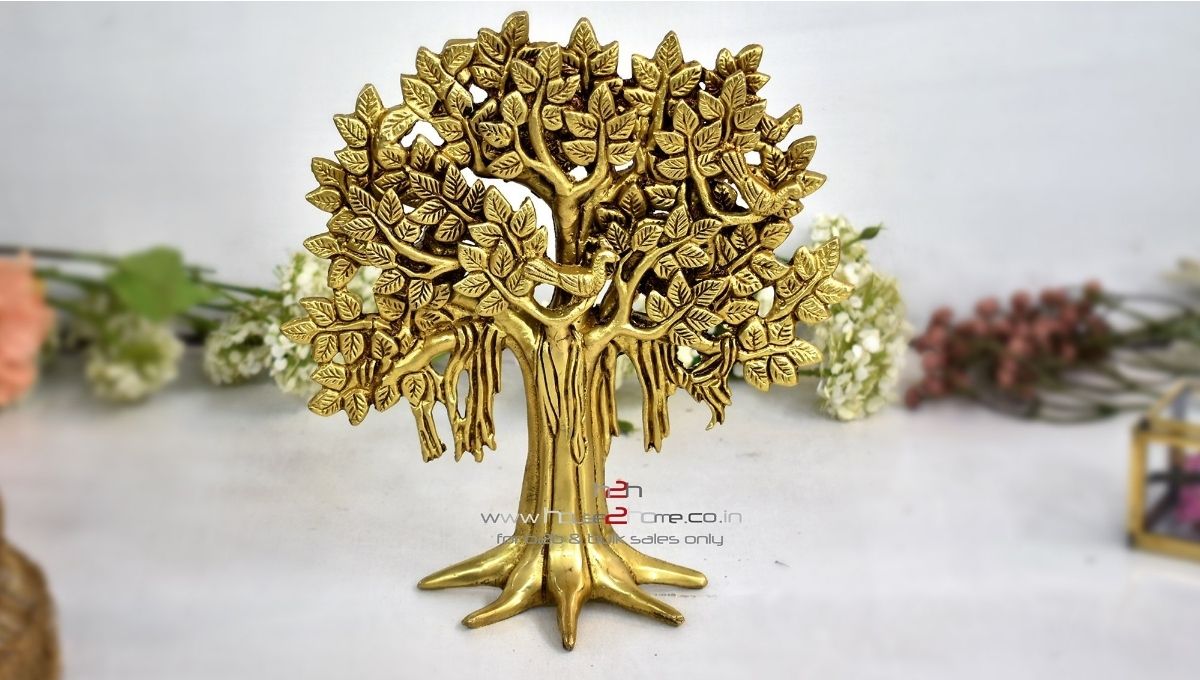
The Tree of Life is a universal symbol found in religious texts, mythologies, and sacred art. Its symbols and meanings are extensive—cycle of life, transformation in art, ancestral lineage, and divine connection.
In modern times, the tree is used as a symbol of family roots, personal growth, and the interconnectedness of all things. The branches reach skyward while the roots ground us, perfectly embodying the harmonious balance between heaven and earth.
6. Mandala
With its symmetrical patterns and concentric designs, the mandala is a profound symbol of the cosmos and the self. In Buddhist and Hindu traditions, it’s a spiritual map, used in rituals and meditation for spiritual enlightenment.
Carl Jung viewed the mandala as a representation of the psyche’s need for order and inner harmony. In Western culture, it has gained popularity in coloring books and therapy, acting as a meditative gateway to find balance and self-discovery.
7. Japanese Koi Fish
In Japanese tradition, the koi fish is more than ornamental—it’s a symbol often associated with perseverance, destiny, and balance and unity. Different koi colors and their meanings represent life stages, relationships, and virtues.
Swimming upstream, the koi becomes a symbol of transformation in art and literature—a visual metaphor for resilience and victory over adversity.
8. Sun and Moon
Together, the sun and moon present a natural ballet of duality and synchronization. This ancient pairing symbolizes time, rhythm, and the balance and interconnectedness between opposites.
Their experience in life—light and shadow, day and night—reminds us to embrace contrast. In modern interpretations, they are awakening symbol tattoos, posters, and home décor icons representing peace and unity.
9. World Globe
The world globe has become a universal symbol of our shared destiny. A favorite emblem of the World Peace Congress and other international movements, it encapsulates unity in diversity and harmony, and non-violence.
In education, it’s often used to represent global learning and interconnectedness. As we confront worldwide challenges, the globe becomes a beacon of symbolic hope.
10. Unity Candle
The unity candle is a symbol often lit during weddings or ceremonies to mark union and commitment. While two flames burn independently, they join to form one—a gentle reminder that harmony doesn’t erase identity but celebrates unique identities in togetherness.
11. Celtic Knot
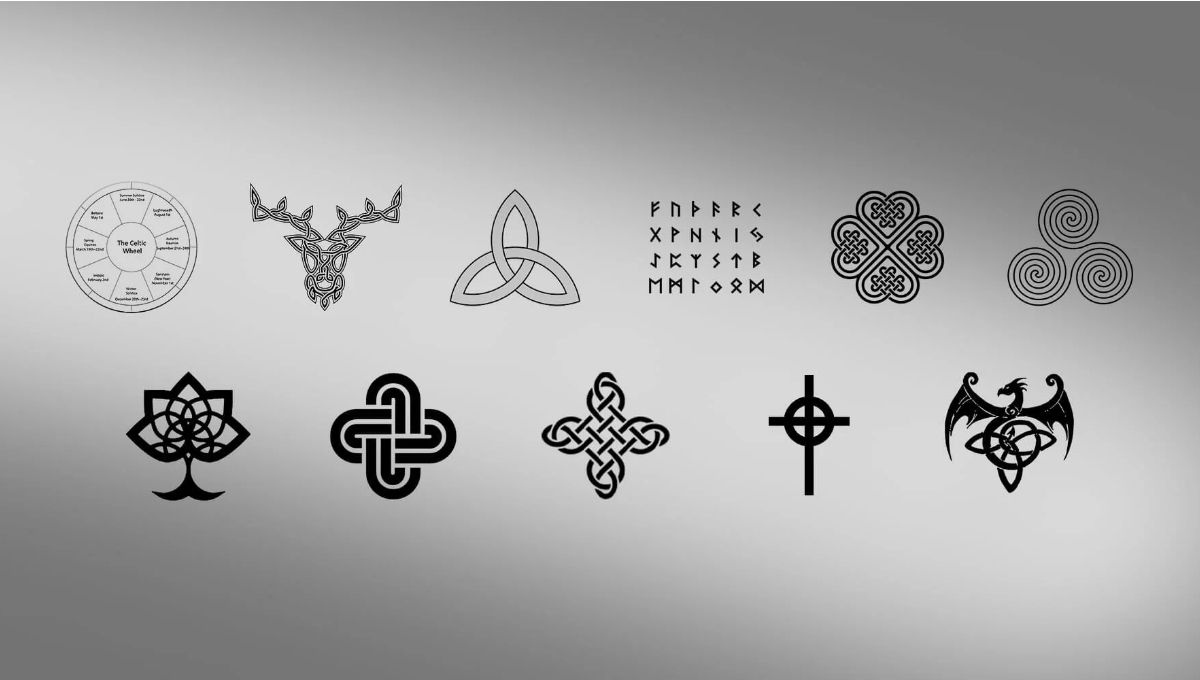
The Celtic knot, a staple of Celtic art, represents eternity, interweaving paths, and spiritual beliefs. Its infinite loops have become symbols of eternal love, unity, and the web of connections between body, mind, and spirit. This awakening symbol tattoo is widely seen across cultures today, echoing its ancient symbol roots.
12. Swan
The swan, elegant and stoic, glides across waters as a metaphor for grace and inner peace. In cultural traditions, swans are said to sing only once, before death, signifying the beauty of final transformation.
In the modern context, swans appear in ballets, poems, and branding, symbolizing love, transition, and calmness. They are often used as symbols of personal awakening and beauty in silence.
13. Om Symbol
The Om symbol, sacred in Eastern religions, captures the sound of the universe—the vibration of life itself. It is a powerful symbol for meditation, spiritual enlightenment, and inner harmony.
The adoption of Om in Western cultures has made it a mainstay in yoga, wellness, and even fashion, where it retains its sacred essence while adapting to modern spiritual practice.
14. Water
Water is a powerful symbol of flexibility, purity, and transformation in art. It adapts, flows, and nourishes—making it a metaphor for emotional health and adaptability.
In modern American culture, water appears in rituals, architecture, and environmental movements. It reflects both the abundance and the challenges and opportunities of our time. Across various aspects of American life, it represents the hope for cleansing, renewal, and long-term sustainability.
FAQs
1. What are the symbols of harmony, and why are they important?
Symbols of harmony are powerful visual representations that embody peace, balance, and unity. They help express spiritual beliefs and the interconnectedness of all things across cultures, guiding us toward inner peace and collective harmony.
2. What does the Yin and Yang symbol represent?
The Yin and Yang symbol represents duality and equilibrium—the balance of opposites like light and dark or male and female. It illustrates the dynamic movement of harmony in nature and life.
3. Why is the lotus flower considered a symbol of harmony?
The lotus flower symbolizes spiritual growth, rebirth, and enlightenment. Growing from muddy waters yet remaining pure, it represents transformation and inner peace in many cultures, including Egyptian, Hindu, and Buddhist traditions.
4. How do symbols like the Tree of Life and Celtic Knot reflect harmony?
Both the Tree of Life and the Celtic Knot symbolize interconnectedness, eternal unity, and balance. They emphasize the web of connections between life, spirit, and nature, inspiring personal and cosmic harmony.
5. How is the Om symbol used in modern culture?
The Om symbol, sacred in Eastern spirituality, represents the universe’s vibration and spiritual enlightenment. It has been adopted worldwide in yoga, wellness, and fashion as a universal emblem of inner harmony and peace.
Conclusion:
Symbols of harmony like Yin and Yang, the lotus flower, and the Om represent peace, balance, and interconnectedness across cultures. These timeless emblems inspire inner peace and unity, guiding us to embrace harmony in life and art. They remain powerful reminders of our shared human journey toward balance and spiritual growth.
Read More: