

After watching my neighbor struggle with his lawn care business while barely breaking even, I decided to research alternative service businesses with better profit margins. My investigation into the party rental industry revealed something surprising: inflatable rentals consistently deliver some of the highest returns in the event entertainment sector. Three years into running my own operation, I can confirm the numbers weren’t exaggerated.
Why Inflatable Rentals Work
The business model is straightforward—purchase commercial-grade inflatable products, rent them for events, and maintain them properly. What makes this particularly attractive is the repeat revenue from single inventory items. A quality bounce house that costs $1,500 can generate $200-300 per rental. With proper maintenance, that same unit handles 100+ rentals over its lifespan, creating impressive returns.
Demand remains consistent year-round with strategic inventory selection. Birthday parties drive weekend bookings throughout the year. School events cluster in spring and fall. Corporate gatherings peak during summer. Church festivals and community events fill the calendar gaps. Smart operators diversify inventory to serve multiple markets rather than relying solely on birthday parties.
Starting Small vs. Starting Smart
Many beginners make the mistake I almost made—buying the cheapest inflatables available to minimize initial investment. I’m grateful I researched thoroughly before purchasing because I discovered that cheap inflatables become expensive quickly through constant repairs and early replacement.
Budget inflatables use thin materials that puncture easily, stitching that fails under stress, and construction that can’t withstand weekly rentals. Within months, these “bargain” purchases require constant patching or complete replacement. Worse, they damage your reputation when clients experience deflating units or obvious wear that makes their events look cheap.
The smart approach invests in commercial-grade products from established suppliers. Yes, initial costs are higher, but the math works dramatically better over time. Quality inflatables last years with minimal maintenance, command premium rental rates, and generate excellent reviews that drive repeat business and referrals.
Choosing the Right Supplier
Finding reliable suppliers represents one of the most critical business decisions. I spent weeks researching options, reading reviews from actual rental operators, and comparing product specifications. Generic party supply companies that also sell inflatables rarely understand rental industry requirements. You need suppliers who specifically serve commercial operators.
After evaluating numerous options, I built my initial inventory with commercial inflatable suppliers who understood that rental equipment faces far more demanding conditions than residential products. Their products featured reinforced construction, commercial-grade materials, and designs optimized for frequent setup and teardown—exactly what rental businesses require.
Essential Starting Inventory
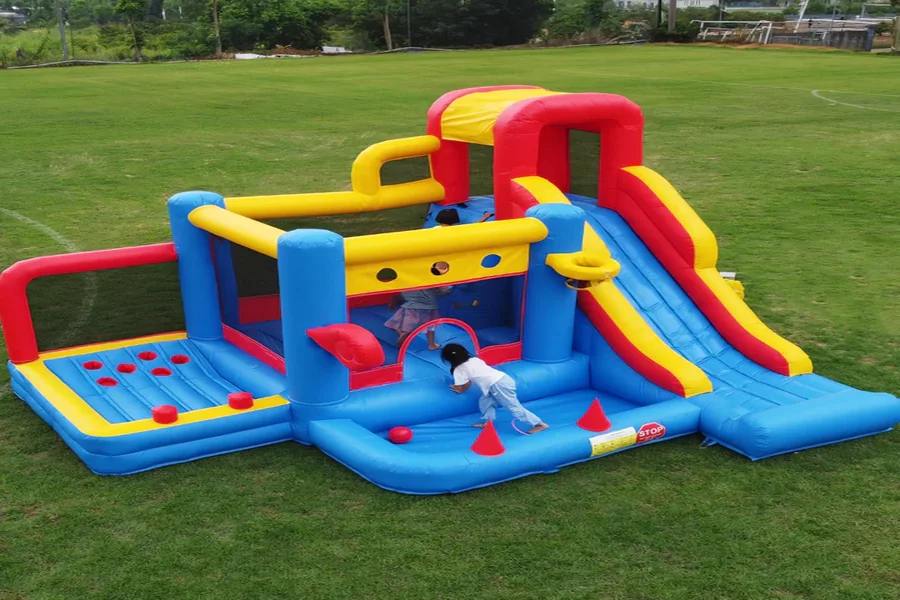
My research revealed that successful startups need strategic inventory selection. One premium bounce house in a popular size serves as the foundation—this becomes your reliable revenue generator that books consistently. Add one combination unit featuring bounce area plus slide, which commands higher rental rates and appeals to broader age ranges.
Interactive games or obstacles differentiate your offerings from competitors. These pieces attract older children and adults, expanding your market beyond young kids’ birthday parties. They also work excellently for corporate events, which often provide larger contracts and mid-week bookings that maximize equipment utilization.
The Business Operations Reality
Beyond inventory investment, successful operations require proper insurance, reliable transportation, marketing strategies, and booking systems. Insurance costs more than most anticipate but remains absolutely essential—one accident without coverage could destroy your business financially.
Transportation needs scale with inventory size. I started with a pickup truck and trailer, which handled initial inventory adequately. As the business grew, I upgraded to an enclosed trailer that protects equipment from weather and presents a more professional image.
Marketing initially focused on local Facebook groups, neighborhood apps, and word-of-mouth referrals. As revenue grew, I added a website, Google ads, and partnered with event planners and party venues. Each marketing channel required different approaches, but combined they created consistent booking flow.
Lessons from Three Years
The rental business has exceeded my profit expectations while being more physically demanding than anticipated. Setup and teardown require real labor, particularly for larger units. Peak season means working most weekends. Weather creates last-minute cancellations that disrupt carefully planned schedules.
Despite challenges, I’ve built a business generating six-figure revenue with profit margins that make my neighbor’s lawn care operation look terrible by comparison. The keys were investing in quality equipment from the start, providing exceptional customer service, and continuously marketing even during busy periods.
Final Recommendations
For anyone considering this business, start by thoroughly researching your local market. Understand existing competition, typical rental rates, and demand patterns. Calculate realistic startup costs including quality equipment, insurance, transportation, and marketing. Most importantly, resist the temptation to cut costs through cheap equipment—this decision determines whether your business succeeds or struggles.
The inflatable rental industry offers genuine opportunity for entrepreneurs willing to invest properly and work hard. Three years in, I’m expanding inventory, hiring help for peak season, and building a business that provides excellent income while bringing joy to thousands of people celebrating life’s special moments.