
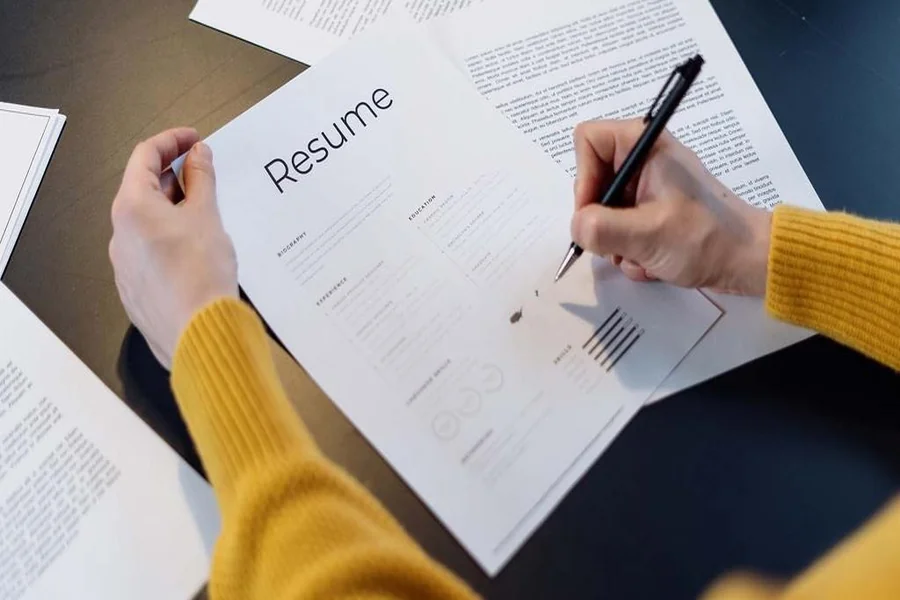
Hiring has changed in a way that most job seekers don’t fully notice yet. Companies aren’t hunting for long paragraphs about past responsibilities. They’re looking for proof — of skills, adaptability, and the ability to create value without being spoon-fed instructions. The modern resume isn’t a list of tasks you were paid to do; it’s a snapshot of what you’re capable of doing next.
Technology is quietly shaping how candidates present themselves. Some people still type their CVs from scratch, guessing what recruiters want to see. Meanwhile, others use intelligent tools that analyze job descriptions, suggest relevant action statements, and help highlight measurable work. The goal isn’t to “game” the system. It’s to communicate clearly, in a language hiring teams understand.
That’s where an AI resume builder becomes more than a trendy tool. It doesn’t fabricate stories; it helps you say what you’ve already done, in a way that actually gets noticed.
Why Hiring Managers Care So Much About Skills Now
Companies don’t want people who were “present” at their old jobs. They want people who learned, contributed, and grew. The internet has made knowledge accessible to everyone — which means the talent gap now depends on how fast someone can upskill, not where they studied.
A candidate who learned analytics on their own or practiced campaign strategy through internships often outperforms someone with a degree but no initiative. Recruiters know this. They look for curiosity, consistency, and actual results. A resume that highlights real impact — even small wins — carries more weight than any fancy designation.
This is why wording matters. It’s not about adding buzzwords. It’s about showing what changed because you were there.
Where Digital Skills Fit Into the Story
If there’s a single field that reveals whether someone understands the digital world, it’s marketing. The demand for online engagement has turned small brands into global players, and professionals with digital skills into key growth drivers. Learning marketing isn’t just for marketers anymore; it’s for anyone who wants to understand how modern business works.
A digital marketing course online doesn’t just teach how ads run or how SEO works. It teaches how customers think, how brands build trust, and how data influences creative decisions. That knowledge helps sales teams negotiate better, product teams build better features, and entrepreneurs learn how to grow without burning cash on trial-and-error campaigns.
In a way, learning marketing gives you professional instincts. And instincts are something a resume can’t fake — but can definitely reflect.
Technology Helps, but it Doesn’t Replace Thought
AI tools can format content, recommend strong verbs, and structure achievements into measurable impact. But they can’t invent your work ethic. A resume builder only helps when you feed it with real accomplishments — no matter how small. A simple bullet like “Improved response rate by rewriting customer email templates” tells a stronger story than vague titles like “Handled customer outreach.”
Similarly, learning digital skills online only works if you apply them — on real campaigns, freelance gigs, small business projects, or personal experiments. In both cases, you have to do the work before you showcase it.
The Most Attractive Candidates Are the Ones Who Keep Learning
Employers love people who don’t wait for permission to grow. They don’t care if you learned from a free course, a paid academy, or your friend who works in growth. They care that you learned something and turned it into value.
That attitude shows up in a resume. It shows up in skills. It shows up in the way someone talks about their projects.
Technology can help shape your narrative. Learning can give you something worth talking about. Together, they create a candidate who doesn’t just want a job — they bring potential, clarity, and readiness.
Conclusion: The Resume Is Changing, and So Are Careers
A resume has never been a history book. It’s a future proposal. Tools can help you polish it, but you need skills to fill it. AI can highlight what you’ve done, but only you can decide to keep learning.
The smartest professionals now update their abilities before they update their CV. And they don’t wait for new roles to justify it. They learn because the world is moving, and they don’t want to stand still.
In the end, it’s simple: let technology refine your voice, but let your skills speak for you. That’s the resume the future listens to.