

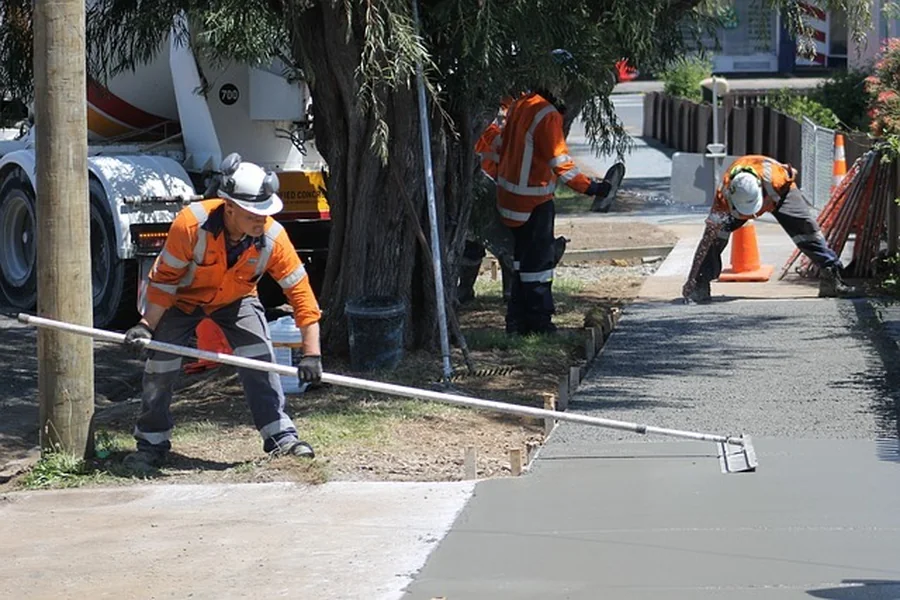
Sidewalks play a crucial role in keeping communities connected, providing safe pathways for pedestrians, joggers, and individuals with mobility aids. Yet, over time, cracks, uneven slabs, and surface erosion can turn these walkways into safety hazards. Many property owners underestimate the importance of repairing damage quickly, often viewing it as a purely cosmetic issue. However, neglecting sidewalk maintenance can lead to serious injuries and costly legal consequences. Timely repairs not only enhance pedestrian safety but also protect property owners from potential lawsuits and municipal penalties. Addressing problems as soon as they appear is a proactive step toward community safety, accessibility, and long-term value preservation.
Preventing accidents through proactive maintenance
The most immediate reason to repair sidewalks promptly is to prevent accidents. Cracks, raised slabs, and loose debris create trip hazards that can easily cause falls, especially for children, elderly pedestrians, and individuals with disabilities. What starts as a minor fracture can quickly worsen under daily foot traffic and weather exposure, creating dangerous conditions. When sidewalks remain damaged for long periods, the likelihood of injuries increases significantly. Property owners who invest in timely repairs reduce these risks and demonstrate a commitment to public safety. Even minor issues like uneven edges or crumbling surfaces can be fixed before they evolve into significant hazards. By maintaining smooth, stable walkways, neighborhoods become safer for everyone—from daily commuters to delivery workers—and the overall quality of public infrastructure improves noticeably.
Reducing financial and legal risks
Neglecting sidewalk damage can lead to more than just inconvenience; it can result in financial and legal consequences. In many cities, including New York, property owners are legally responsible for maintaining the sidewalks adjacent to their buildings. Failure to make necessary repairs can expose owners to liability if a pedestrian trips or is injured on their property line. Settling injury claims or facing lawsuits can be far more expensive than performing regular maintenance. For example, New York City sidewalk repair regulations require property owners to correct hazardous conditions promptly to avoid fines and legal penalties. By staying ahead of damage, owners safeguard themselves against unexpected costs and preserve their reputation as responsible members of the community. Proactive action ultimately saves money, protects property value, and helps maintain compliance with local laws designed to prioritize public safety.
Extending the lifespan of sidewalk infrastructure
Timely repairs not only prevent accidents but also extend the overall life of the sidewalk. Concrete and paving materials are durable but still vulnerable to natural wear and tear caused by moisture, temperature changes, and heavy use. When cracks or gaps appear, water seeps in and expands during freeze-thaw cycles, worsening the damage. Minor repairs, when done early, stop this process before it spreads, saving thousands of dollars in future replacement costs. Maintaining sidewalks regularly also keeps drainage systems functional, preventing puddling or erosion that can weaken the foundation beneath. Property owners who invest in upkeep enjoy long-term benefits—durable surfaces, fewer major replacements, and consistent curb appeal. Over time, this approach proves far more economical than allowing damage to progress until complete reconstruction becomes necessary.
Enhancing accessibility and community image
A well-maintained sidewalk is more than a safety measure; it reflects the character of the surrounding community. Smooth, accessible pathways allow people with strollers, wheelchairs, and bikes to travel easily without risk or discomfort. When sidewalks are uneven or cracked, they discourage walking and can isolate individuals who rely on mobility aids. Timely repairs ensure that everyone, regardless of ability, can move safely through shared spaces. This not only promotes inclusivity but also strengthens the overall visual appeal of neighborhoods. Clean, level sidewalks create a sense of order and care, increasing property values and enhancing the attractiveness of both residential and commercial areas. Communities that prioritize safe infrastructure often see improved foot traffic for local businesses, fostering economic and social growth through simple, preventive maintenance.
Avoiding escalating repair and replacement costs
Ignoring sidewalk damage can turn a manageable repair into a significant expense. A small crack that could have been sealed easily may, over time, expand into a deep fracture requiring complete slab replacement. The cost difference between routine maintenance and large-scale reconstruction is often substantial. Delaying repairs also means the surrounding concrete is exposed to more stress, spreading the problem further. Early intervention prevents the need for complete demolition, saving both time and resources. Moreover, when property owners act quickly, contractors can perform the work with minimal disruption to pedestrians and nearby traffic. Consistent upkeep ensures that maintenance remains manageable and affordable, transforming what could become a costly burden into a straightforward responsibility.
Compliance with local regulations and civic responsibility
Cities across the country have established rules mandating timely sidewalk repairs, holding property owners accountable for public safety on adjacent walkways. Failure to comply often results in citations, fines, or forced municipal intervention where the city completes the repairs and charges the property owner afterward. Staying compliant demonstrates good citizenship and cooperation with local authorities. It also helps create uniform, hazard-free pathways throughout the neighborhood. Regular maintenance supports citywide infrastructure goals, reducing the strain on public works departments and ensuring that taxpayer resources are used efficiently. By prioritizing sidewalk safety, property owners not only avoid penalties but also contribute to the greater well-being of their community, ensuring public spaces remain safe and accessible for all.
Building safer communities through responsible care
Timely sidewalk repair is a fundamental part of creating safe, functional, and welcoming neighborhoods. Beyond preventing accidents, it protects property owners from costly liabilities and helps cities maintain their infrastructure efficiently. Quick action minimizes long-term damage, reduces expenses, and keeps sidewalks accessible to everyone. Communities that value safety and maintenance project a positive image, fostering trust among residents and visitors alike. By viewing sidewalk repair as both a responsibility and an investment, property owners can ensure their surroundings remain durable, compliant, and safe. Ultimately, consistent attention to sidewalk upkeep strengthens public safety, supports community pride, and prevents future problems before they begin.