

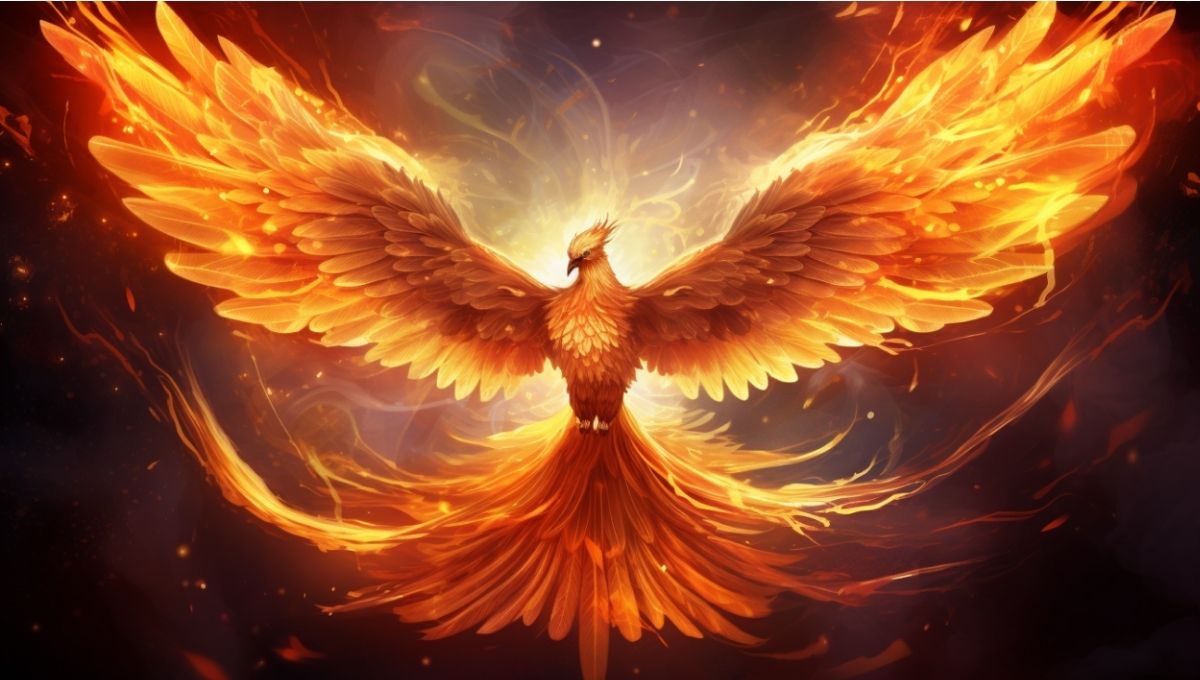
Understand – Phoenix Symbolism & Meaning
Throughout centuries and across cultures, the phoenix has stood as an undying emblem of mystery, power, and regeneration. This mythical bird, often cloaked in fire and radiance, is more than a creature of legend—it’s a profound symbol of life’s cyclical nature.
Embodying themes of death, rebirth, transformation, and divine glory, the phoenix endures in myth and meaning, resonating deeply in the human psyche. Its vibrant feathers and fiery demise tell stories not just of endings, but of beginnings carved in the ash.
The Legend of the Phoenix: Origins and Mythology Explained
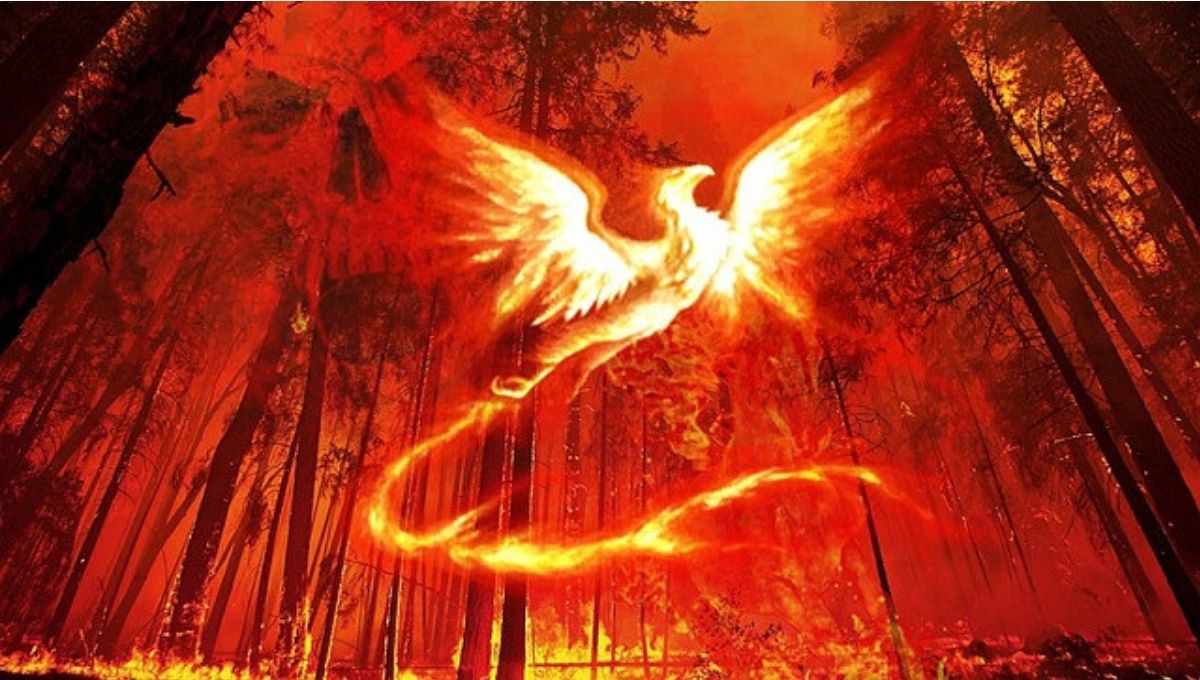
The tale of the Phoenix traces its roots back to ancient civilizations—from the deserts of Egypt to the scrolls of Greco-Roman scholars. According to classical mythology, the phoenix is a singular creature, existing one at a time, living for hundreds or even thousands of years.
At the end of its life, it builds a nest of aromatic wood and ignites in a brilliant blaze. From its ashes, a new phoenix rises—untouched by age or past burdens.
Herodotus spoke of the bird’s existence in Egypt, while Ovid described its cyclical rebirth in Roman lore. In each account, the phoenix was not merely an animal but a celestial phenomenon, embodying divine mystery and eternal life. This consistent imagery—fire, renewal, singularity—forms the bedrock of phoenix mythology across time.
What the Phoenix Teaches Us About Immortality
The Phoenix is not immortal in the traditional sense of never dying. Instead, its version of immortality lies in perpetual renewal. It shows that endings are not final—they’re gateways to beginnings. True immortality, in the phoenix’s language, is the ability to transcend destruction and emerge purified.
The symbolism is compelling: even in our darkest hours, rebirth is possible. The phoenix’s immortality lies not in the avoidance of death, but in embracing it as part of life’s divine rhythm. It whispers to the soul that decay need not be feared, for regeneration waits patiently in the shadows.
Phoenix and the Power of Transformation: Rising from the Ashes
Transformation defines the essence of the Phoenix. Its story is one of alchemical change, where suffering becomes fuel for ascension. It does not simply survive fire; it is born through it. In this, the phoenix becomes an archetype for radical reinvention.
Whether viewed metaphorically through personal growth, spiritual awakening, or emotional evolution, the phoenix teaches that devastation is fertile ground for greatness. Burnt ground is not barren—it’s where resilience takes root. Rising from the ashes is not merely poetic—it is revolutionary.
Phoenix as a Symbol of Nobility and Royal Power
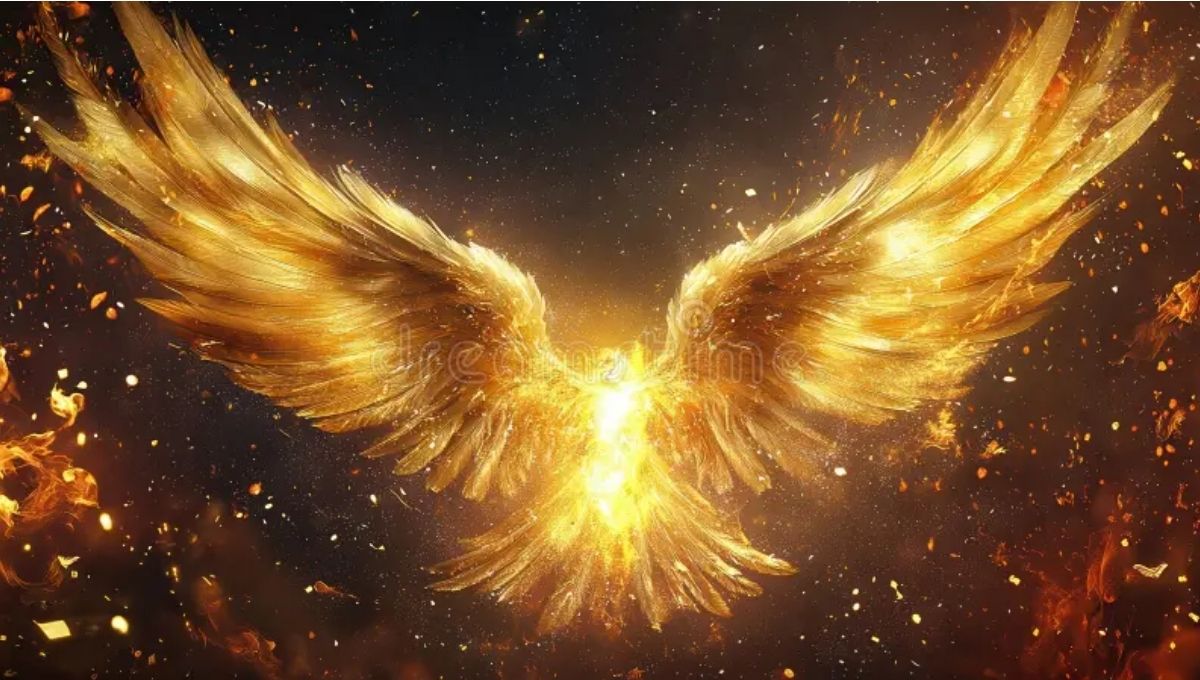
Adorned in plumage of gold, crimson, and sapphire, the Fenghuang in Chinese mythology and the Phoenix in Western lore have long been associated with sovereign grace and imperial dignity. In imperial China, the fenghuang was the symbol of the empress, complementing the dragon’s imperial masculinity.
Its rarity and majesty made it a metaphor for kingship, wisdom, and ethical rule. Rulers and dynasties adopted the phoenix as a heraldic figure, not just for its beauty, but for its ability to rise renewed—mirroring a nation’s or ruler’s desire for renewal after turmoil.
The Phoenix and Its Symbolic Virtues: Courage, Strength & More
Beyond power and fire, the Phoenix carries a mantle of virtues. It is brave enough to face obliteration. Strong enough to endure death. Patient enough to await its rebirth. These aren’t mere traits—they’re spiritual disciplines.
In literature and folklore, the phoenix inspires fortitude in hardship, integrity in isolation, and self-sacrifice for greater rebirth. It doesn’t flee fire; it builds its nest in it. In doing so, it embodies resilience, hope, and the sacred will to begin again.
Divine Connections: How the Phoenix Symbolizes the Sacred
Many mythologies position the Phoenix not as a mere creature but as a bridge between the mortal and divine. In early Christian iconography, it symbolized Christ’s resurrection. In Egyptian lore, it was linked with Ra through the Bennu bird, ascending each day in renewal.
This divine affiliation elevates the phoenix to a spiritual totem—an envoy of eternity. It is often depicted in temples, sacred texts, and spiritual philosophies as a representation of purity, cosmic balance, and celestial promise. The phoenix reminds us that within the temporal, the eternal glows.
Phoenix Symbolism Around The World
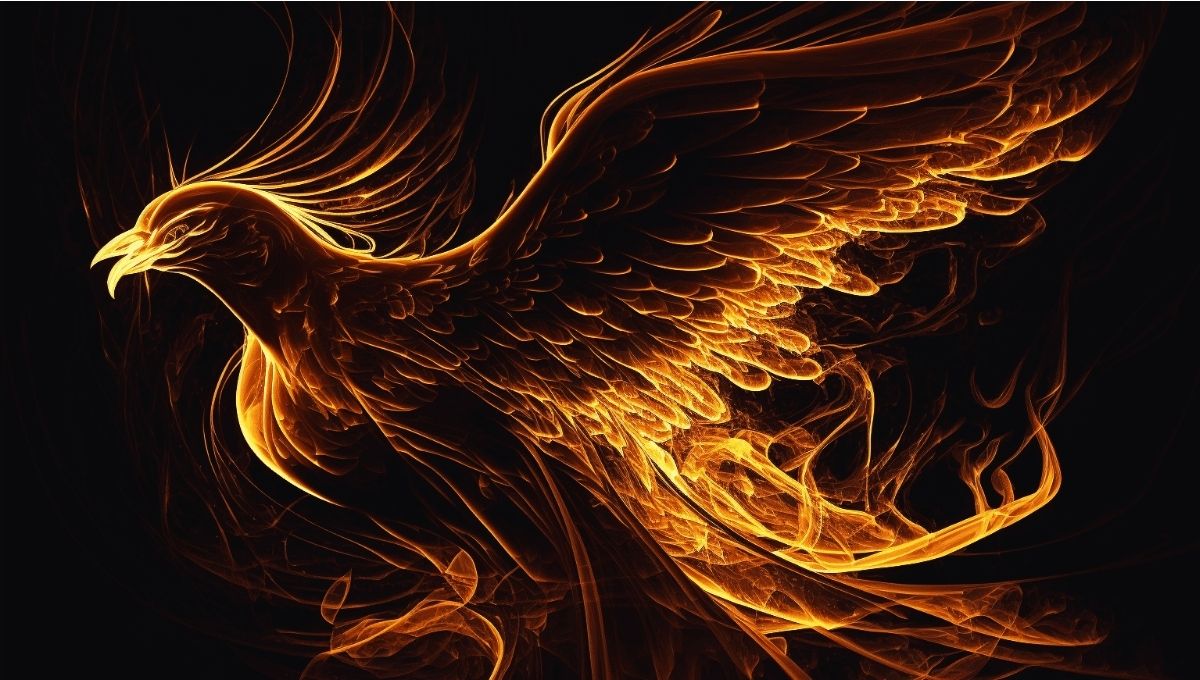
Though culturally adapted, the phoenix myth stretches across continents. In ancient Greece and Rome, it was the Phoenix. In China, it was the Fenghuang. In Japan, the Hō-ō bird descended only during peaceful reigns.
Indigenous tribes of North America spoke of Thunderbirds with phoenix-like traits. In Persia, it was the majestic Simurgh, and in Slavic lands, the glowing Firebird.
Each rendition honors fire, light, and rebirth, but infuses local wisdom and spirituality. The phoenix becomes not just a universal myth, but a cultural mirror—reflecting hopes, fears, and aspirations unique to each society.
Phoenix Symbolism In Egyptian Mythology
The Bennu bird, an early Egyptian version of the phoenix, was a deity of creation and rebirth. Said to have emerged from the primordial waters of Nun, the Bennu flew over the Nile, its cry ushering the dawn. It was often associated with the sun god Ra and the cycle of the rising sun.
It represented the soul’s journey, solar cycles, and the rhythm of death and resurrection that governed all existence. In hieroglyphs, it bore the sun’s crown—a creature of light, life, and sacred regeneration.
Phoenix Symbolism In Hinduism
Hindu mythology does not include a direct phoenix equivalent, but its themes resonate through figures like the Garuda, a divine bird and mount of Vishnu. Garuda is immortal, radiant, and fearless—a celestial force with the strength of cosmic fire.
Additionally, Hinduism’s cyclical view of time and the soul’s journey through reincarnation parallels the phoenix’s death and rebirth. Liberation (moksha) is the ultimate rising from the ashes, free from the cycle of death and rebirth.
Phoenix In Slavic Folklore
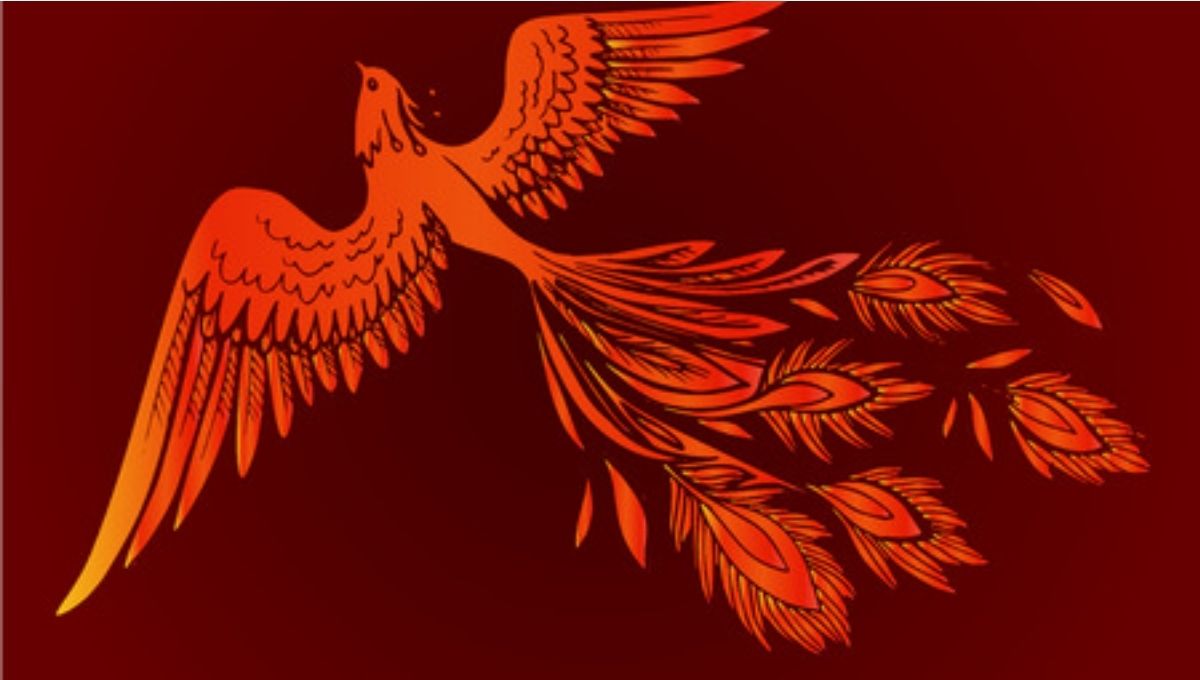
In Slavic myth, the Firebird blazes with feathers of gold and flame. Though not named as a phoenix, it carries parallel symbolism: illumination, transformation, and otherworldly guidance. The Firebird appears in epic quests and heroic folktales, often as a prize of wisdom or a challenge of destiny.
Like the phoenix, it represents powerful change, both external and internal. The Firebird teaches that brilliance is both a gift and a test, requiring courage, discernment, and readiness to rise anew.
Phoenix Symbolism in Persian Legends
The Persian Simurgh is a regal, bird residing in the Tree of Life. Majestic and wise, it lives for millennia before imbenevolent molating in fire, only to be born again. In the epic Shahnameh, the Simurgh nurtures the hero Zal and heals warriors with sacred feathers.
A symbol of divine wisdom and guardianship, the Simurgh fuses phoenix-like regeneration with the Persian ideal of cosmic order (Asha). It is not just rebirth—it is spiritual healing, ancestral knowledge, and the voice of destiny.
FAQs
1. What does the phoenix symbolize?
The phoenix symbolizes rebirth, transformation, immortality, and divine strength. Across cultures, it represents rising from the ashes and starting anew after adversity.
2. Is the phoenix a real creature or a myth?
The phoenix is a mythical bird, found in legends from Egypt, Greece, Persia, and China. Though not real, it carries deep symbolic meaning in spirituality and folklore.
3. How is the phoenix linked to immortality?
The phoenix achieves immortality through cyclical rebirth. Instead of living forever, it dies in flames and is reborn from its ashes—symbolizing eternal renewal.
4. What cultures have their own version of the phoenix?
Many cultures feature phoenix-like birds, including Egypt’s Bennu, China’s Fenghuang, Persia’s Simurgh, Japan’s Hō-ō, and Slavic Firebird. Each reflects local beliefs in rebirth and divine power.
5. How can the phoenix inspire personal growth?
The phoenix teaches that transformation comes through trials. It encourages us to embrace challenges, let go of the old, and rise stronger—making it a powerful symbol for self-improvement.
Conclusion:
The phoenix symbolizes rebirth, transformation, and divine strength across cultures. From Egyptian Bennu to Persian Simurgh, it teaches us resilience through endings and hope in new beginnings. Embrace its powerful message: every fall holds the spark of a rise. Let the phoenix guide your own journey of renewal.
Read More:
Sun in 1st House: In-depth Explanation (All Signs)
Symbols of Harmony in Arts and Culture
15 Powerful Symbols of Forgiveness from Different Cultures