


What is the Law Of Detachment?
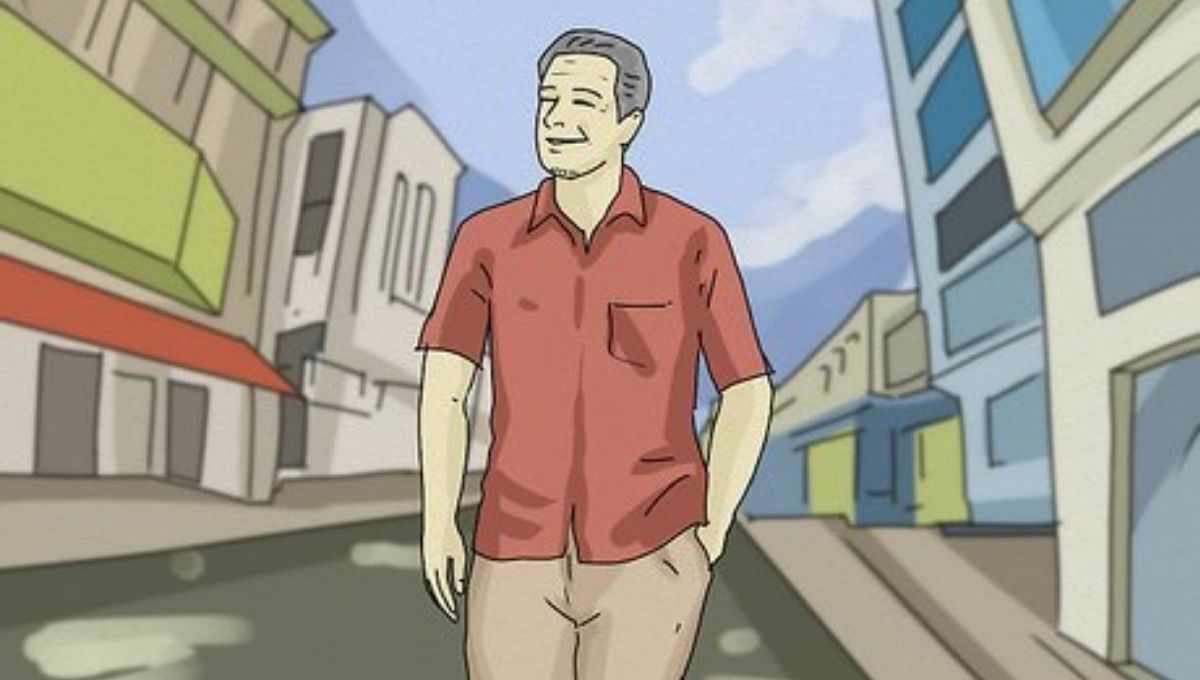
The Law of Detachment is a principle rooted in both spiritual wisdom and psychological resilience. At its core, it suggests that to truly manifest intentions and live freely, one must release their obsessive grip on outcomes. This law doesn’t advocate for apathy or inaction—it proposes surrendering control over results while remaining committed to action.
In essence, detachment is about trusting the unfolding of life. You take purposeful steps, but let go of anxiety over how things will turn out. This paradox—caring deeply yet releasing completely—is what gives the law its unique power.
How the Law of Detachment Brings Inner Peace and Freedom
Inner peace and freedom are natural byproducts of detachment. When we detach from the outcome, we silence the mental noise of “what if.” The mind no longer spins in cycles of worry and over-analysis.
Freedom arises from the dissolution of dependency—emotional, material, or relational. You begin to walk through life untethered, guided by clarity instead of compulsion. Detachment liberates you from the false belief that your happiness is conditional upon future circumstances.
Benefits Of the Law Of Detachment
The Law of Detachment isn’t just theoretical—it yields tangible transformation. Here are some of its most powerful benefits:
Experience Inner Peace
Inner peace is no longer a fleeting moment but a state you learn to inhabit. When you detach from your fears, expectations, and outcomes, serenity follows naturally. The mind ceases its tug-of-war between past regrets and future worries. In their place comes quietude—an unshakable calm rooted in the present moment.
Break Free from Emotional Attachments
Attachment often masquerades as love, but it breeds fear and dependency. Through detachment, you reclaim emotional sovereignty. You stop anchoring your well-being in external approval or conditional affection. Detachment severs the invisible cords that bind you to toxic cycles—whether in relationships, work, or your self-worth.
Gain Mental Clarity and Focus
A detached mind is a clear mind. Without the emotional fog of desire and aversion, decisions become precise and intentional. You begin to discern what truly matters from what merely clamors for attention. Focus sharpens. Procrastination dissolves. Detachment clears space for your cognitive compass to point due north.
Build Healthier, Stronger Relationships

Relationships flourish when they are free from suffocating expectations. Detachment invites presence, empathy, and authentic connection. Rather than controlling others, you allow them the dignity of their own path. This fosters mutual respect, reduces conflict, and builds bonds based on freedom—not fear.
Examples Of Law Of Detachment In Action
- A job seeker sends out applications but doesn’t obsess over which company replies first. Instead, they focus on preparing for interviews and expanding their skill set.
- A parent supports their child’s dreams without imposing personal expectations or projecting fears.
- An entrepreneur launches a product with intention, then adapts with openness rather than panic if sales dip initially.
In each case, detachment isn’t passive—it’s a courageous release paired with committed action.
Misconceptions Of the Law Of Detachment
Despite its wisdom, the Law of Detachment is often misunderstood. Let’s clear the fog.
Myth: Detachment Means Apathy
Detachment is not indifference. It is not the cold disengagement of someone who doesn’t care. Rather, it is the loving neutrality of someone who chooses peace over control. Detachment allows deeper presence, because you are no longer clouded by fear or grasping.
Myth: You Must Eliminate All Desires
Desires are not the enemy. The problem arises when desire becomes fixation. Detachment teaches you to hold desires lightly—pursue them without becoming enslaved by them. It’s the difference between rowing with intent and being dragged by the current.
Myth: Detachment Equals Irresponsibility
Far from it. Detachment encourages full responsibility for your actions—without trying to manipulate the outcome. It’s about doing your part with integrity, and then surrendering the rest. That’s not irresponsibility; that’s wisdom.
Inspirational Canvas Art Ideas for a Detachment Mindset
Surrounding yourself with visual reminders can help anchor your practice. Canvas art that reflects detachment can inspire a more centered, reflective life.
Canvas Ideas That Reflect Detachment and Mindfulness

- A lone tree in an open field—symbolizing rootedness and letting go
- A flowing river—reminding you to go with life’s current
- Abstract silhouettes dissolving into sky—evoking the transience of the self
- Minimalist mandalas—centering the eye and mind
- A feather drifting on wind—lightness and surrender in motion
Each piece can be a portal back to stillness.
How To Use The Law Of Detachment
Applying the Law of Detachment begins not in grand gestures but in subtle shifts of awareness. Here’s how to start:
Identify Your Attachments
First, bring awareness to the objects, outcomes, or identities you cling to. Is it a job title? A relationship? A certain image of success? Naming these attachments is the first step toward loosening their grip.
Recognize the Impermanence of Things
Everything is fleeting—emotions, people, circumstances. Recognizing this doesn’t breed nihilism; it cultivates grace. You learn to appreciate without possessing, to experience without gripping.
Practice Mindfulness
Mindfulness keeps you anchored in the now. It trains your awareness to notice when you’re veering into attachment. A single breath, observed with reverence, can be enough to break the chain of obsessive thought.
Let Go Of Control
Control is an illusion. You can control your actions—but never the ripples they send out. The Law of Detachment calls you to act from intention, not from fear, and to trust in a deeper order beyond your grasp.
Applying the Law of Detachment in the Workplace
In the professional world, detachment helps you manage stress and cultivate resilience. Instead of obsessing over promotions or validation, you focus on excellence and growth. You accept criticism without collapse, praise without inflation. A detached professional is confident, steady, and deeply effective.
How to Practice Detachment in Personal Relationships
Emotional detachment doesn’t mean withholding love. It means offering it freely, without demanding it in return. In personal relationships, detachment looks like open communication, trust in the other person’s autonomy, and an unwavering sense of self-worth, independent of how you’re treated.
Using Detachment to Improve Financial Decision-Making
Money decisions driven by fear or greed often lead to regret. Detachment allows you to make choices based on strategy, not emotion. Whether investing, saving, or spending, you act from calm intent rather than desperate grasping. This creates sustainability and security.
Healthy Romantic Detachment: Finding Love Without Clinging

Romantic detachment is not the absence of intimacy—it’s the presence of self-respect. It’s knowing that your wholeness doesn’t depend on someone else’s presence. Love, in its purest form, does not control—it liberates. Detachment nurtures romance by giving it room to breathe.
Practice romantic detachment by:
- Honoring your partner’s independence
- Avoiding emotional over-investment in every conflict
- Focusing on your own growth and passions
- Letting go of fantasy-based expectations
- Trusting the natural evolution of the relationship
By embodying detachment, love becomes not a cage, but a canvas.
FAQs
1. What is the Law of Detachment, and how does it work?
The Law of Detachment teaches you to take intentional action while letting go of the need to control outcomes. It helps you live with purpose and peace by trusting the natural flow of life instead of obsessing over results.
2. How can the Law of Detachment improve my mental health?
By releasing anxiety, fear, and overthinking, the Law of Detachment promotes inner peace, reduces emotional dependency, and sharpens focus. It allows your mind to rest in the present instead of worrying about “what ifs.”
3. Does detachment mean not caring about anything?
No, detachment is not apathy. It means caring deeply without being controlled by outcomes. You stay committed to action but surrender the need to force results, which leads to freedom and clarity.
4. How do I apply the Law of Detachment in relationships?
Practice detachment in relationships by offering love without trying to control or fix others. This means respecting boundaries, letting go of unrealistic expectations, and maintaining your own self-worth regardless of how someone else behaves.
5. Can the Law of Detachment help with career or money decisions?
Yes. Detachment helps you make smarter financial and career choices by removing fear and emotional pressure. You focus on growth, excellence, and strategy—without becoming obsessed with praise, promotions, or profits.
Conclusion:
The Law of Detachment empowers you to act with purpose while releasing the need to control outcomes. It fosters clarity, peace, and emotional freedom in every area of life—from relationships to finances. By embracing its principles, you create space for growth, resilience, and authentic happiness, rooted not in results but in presence.
Read More: