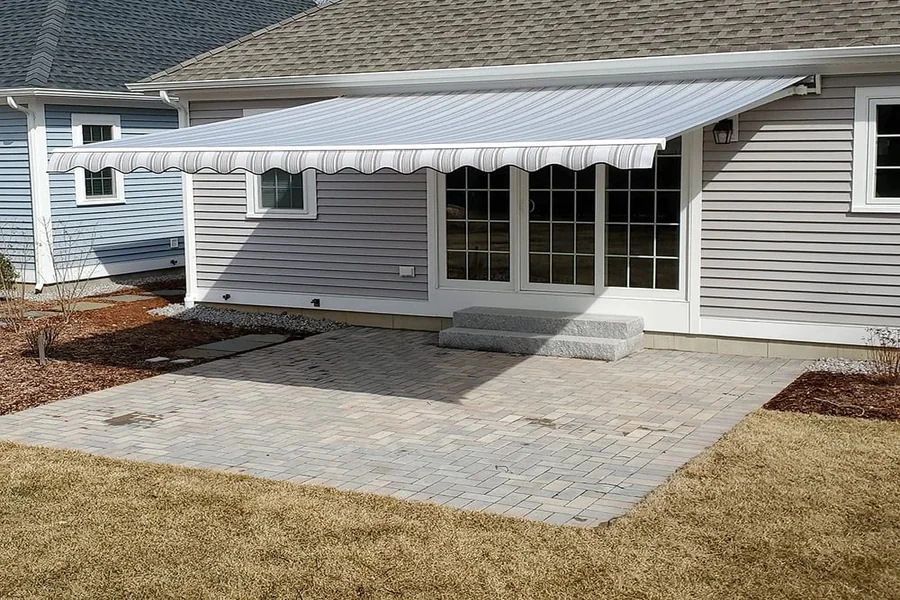

Adding a retractable awning to your Orlando home can transform your outdoor space, but before you start shopping, it’s important to understand the local regulations that might apply to your project. Do retractable awnings in Orlando need building permits?
In most cases, retractable awnings in Orlando do require a building permit. The City of Orlando typically requires permits for awnings that are permanently attached to a structure, regardless of whether they’re retractable or fixed.
However, the permit requirements can vary depending on several factors like the size of your awning, whether it’s attached to a single-family home versus a commercial building, and your property’s specific zoning regulations. Keep reading to understand the different scenarios that might affect your permit needs and how to navigate the application process smoothly.
When Are Permits Required for Retractable Awnings?
The general rule in Orlando is that any awning permanently mounted to your home’s exterior requires a permit. This includes retractable awnings that are bolted or screwed into the building’s structure. The city considers these installations as modifications to your property that need approval to ensure they meet safety standards and building codes.
Permits are especially important for larger awnings or those installed on multi-story buildings. The city wants to verify that the installation won’t compromise the structural integrity of your home and that it can withstand Florida’s weather conditions, including high winds and heavy rain.
Are There Any Exceptions?
While most retractable awnings require permits, there are some limited exceptions. Freestanding awning structures that aren’t attached to your home may fall into a different category, though they might still require approval depending on their size and location on your property.
Temporary awnings that can be easily removed without leaving permanent mounting hardware might not require permits. However, the definition of “temporary” can be somewhat subjective, so it’s always best to check with the city’s building department before assuming your project is exempt.
What Happens If You Install Without a Permit?
Installing a retractable awning without the required permit can lead to several problems down the road. The city can issue fines and require you to remove the awning until you obtain proper permits. This could mean paying for both removal and reinstallation costs on top of the permit fees.
Beyond immediate penalties, unpermitted work can create issues when you try to sell your home. During a real estate transaction, unpermitted improvements often show up during inspections, which can delay or derail the sale. Some buyers may request that you either remove the awning or obtain retroactive permits, which can be more complicated and expensive than getting permits upfront.
Insurance claims can also be affected by unpermitted work. If your awning causes damage or is damaged during a storm, your homeowner’s insurance might deny the claim if they discover the installation wasn’t properly permitted.
How to Obtain a Permit for Your Retractable Awning
The permit application process in Orlando starts with contacting the City of Orlando Building Department. You’ll need to submit detailed plans showing the awning’s dimensions, mounting location, and installation method. Most manufacturers provide installation diagrams that can be used as part of your permit application.
Your application may need to include engineering specifications that demonstrate the awning can withstand wind loads appropriate for Central Florida, depending on the size and complexity of your installation. The Florida Building Code requires awnings to meet specific wind speed ratings, and your permit application must show compliance with these standards.
Once submitted, the building department will review your application, which usually takes a few weeks. After approval, you’ll receive your permit and can proceed with installation. Following installation, you’ll need to schedule an inspection to ensure the work was completed according to the approved plans.
What Wind Load Requirements Must Retractable Awnings Meet In Orlando?
Understanding wind load requirements is crucial for anyone installing a retractable awning in Orlando. Florida’s building codes are among the strictest in the nation when it comes to wind resistance, and for good reason—the state faces regular threats from tropical storms and hurricanes that can generate devastating wind speeds.
In Orlando, retractable awnings must be designed to withstand wind speeds determined by the Florida Building Code (8th Edition, 2023). All Orlando retractable awnings must comply with these wind load standards to ensure safe installation and proper performance during severe weather. The code requires awnings to meet specific wind load criteria based on the region’s wind zone classification. Orange County, where Orlando is located, falls into a wind zone that requires structures to withstand design wind speeds of 140-150 mph, depending on the exact location and exposure category of your property.
However, it’s important to understand that these wind load ratings apply to the mounting system and structural integrity when the awning is in its retracted position. Most manufacturers and building officials strongly recommend retracting your awning during severe weather events, as even awnings rated for high winds can suffer damage when fully extended. The fabric and frame are more vulnerable when deployed, and leaving an awning extended during a storm could result in catastrophic failure that damages not just the awning but potentially your home’s exterior as well.
Your permit application will need to include engineering documentation showing that your chosen awning and its mounting system meet these wind load requirements. Many quality awning manufacturers provide stamped engineering drawings that demonstrate compliance with Florida’s wind codes. If your manufacturer doesn’t provide these documents, you may need to hire a structural engineer to prepare the necessary calculations and drawings, which will add to your project cost but is essential for permit approval.
What Are The Consequences Of Not Retracting Your Awning During A Storm?
Beyond the installation and permitting process, understanding how to properly maintain and use your retractable awning during Florida’s volatile weather is essential for protecting both your investment and your home. The “retractable” feature isn’t just for convenience—it’s a critical safety mechanism that homeowners must use responsibly.
When severe weather approaches Orlando, failing to retract your awning can lead to significant damage. High winds can catch the extended fabric like a sail, creating tremendous force that can rip the awning from its mounts, tear the fabric, or bend the frame beyond repair. This type of damage may not be covered by standard homeowners’ insurance policies, particularly if the insurance company determines you were negligent by leaving the awning extended during a storm warning.
The damage often extends beyond the awning itself. When an awning fails in high winds, it can tear away portions of your home’s fascia, damage windows or doors beneath it, or even become airborne and damage your property or a neighbor’s home. In extreme cases, homeowners have faced liability claims when their awnings have caused damage to adjacent properties during storms. This is one reason why proper installation with permitted work is so important—the mounting system needs to be robust enough that if failure occurs, it happens in a predictable, controlled manner.
Most quality retractable awnings come with wind sensors that automatically retract the awning when wind speeds reach a certain threshold, typically around 20-25 mph. However, these sensors should be viewed as a backup safety feature, not a replacement for manual retraction before storms. When tropical weather threatens Central Florida, take the time to manually retract your awning and secure it properly, even if you have an automated system. The few minutes of effort can save you thousands of dollars in repairs and the hassle of dealing with insurance claims and replacements.
Ready To Add Your Retractable Awning?
Now that you understand Orlando’s permit requirements, the best first step is to contact the City of Orlando Building Department to confirm the specific requirements for your property and awning project before making any purchases. This simple phone call or visit will give you accurate, up-to-date information tailored to your situation and can save you time, money, and frustration down the road. Armed with this knowledge, you’ll be able to move forward confidently with your awning installation, knowing you’re following all the rules and protecting your investment.