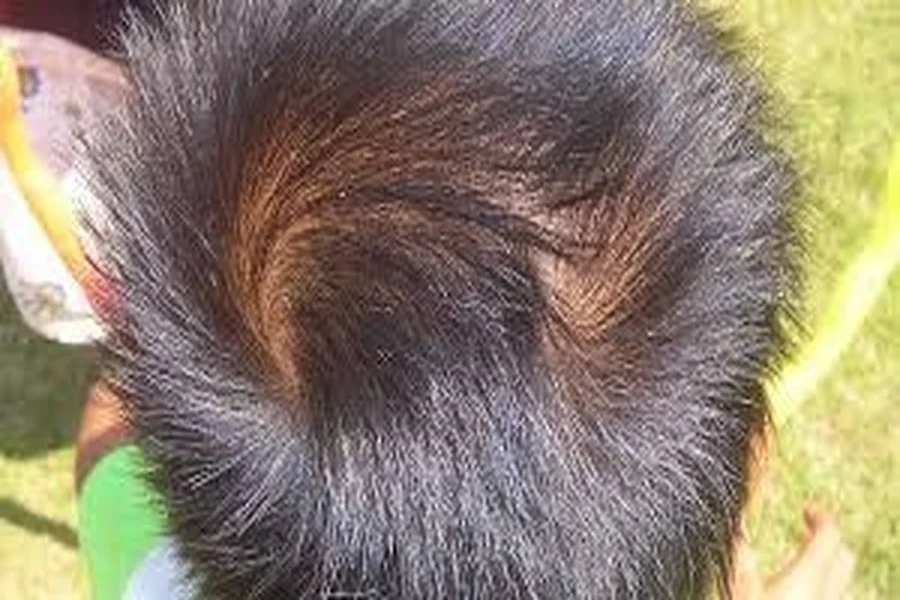

Double crown hair, sometimes referred to as a double cowlick, is a common but often frustrating hair growth pattern. While a single crown swirl is typical, some people naturally have two distinct hair whorls at the crown area. This can affect how hair lies, how it can be styled, and even how thinning or hair loss appears over time. Understanding the causes of double crown hair and learning how to manage it can help achieve a more balanced and natural look.
What Is Double Crown Hair?
Double crown hair occurs when there are two separate spiral growth points on the scalp, usually located at the back of the head. Instead of hair radiating from one central point, it grows in different directions from two crowns. This often creates uneven volume, stubborn flyaways, or areas that look thinner or messier than they actually are.
A double cowlick is not a medical condition — it is simply a variation in hair growth pattern. However, it can become more noticeable as hair density decreases with age.
Causes of Double Crown Hair
Genetics
The most common cause of double crown hair is genetics. Hair growth direction is determined before birth, and multiple crown patterns can be inherited from either parent.
Scalp Shape and Hair Follicle Direction
The natural curve of the skull and the angle at which follicles emerge from the scalp can contribute to a double cowlick effect.
Hair Thinning or Hair Loss
As hair density decreases, double crown hair becomes more visible. What was once manageable can start to look like thinning or bald spots, even if actual hair loss is minimal.
Improper Haircuts or Styling Habits
Cutting the crown too short or styling against the natural growth direction can exaggerate the appearance of double cowlicks.
How to Treat and Manage Double Cowlick Hair
-
Strategic Haircuts
A skilled barber or stylist can work with the growth pattern rather than against it. Slightly longer lengths at the crown help weigh the hair down and reduce separation between the two whorls.
-
Correct Styling Techniques
Using lightweight styling products and blow-drying in the direction of growth can help control stubborn areas. Heavy waxes or gels may worsen separation.
-
Hair Density Solutions
For people experiencing thinning around the crown, increasing the appearance of density can dramatically improve how double crown hair looks.
This is where hair systems and wigs become a practical and realistic option.
Using Hair Systems to Fix Double Crown Issues
Modern hair systems are designed to replicate natural hair growth patterns, including crown direction and density variation. High-quality systems allow for customized ventilation so the hair flows naturally from the crown, eliminating the messy or split appearance caused by a double cowlick.
TopUnique Hair, a professional hair system supplier, offers both stock and custom hair systems that can be tailored specifically for crown issues. With options for:
Custom crown direction
Adjustable hair density
Lace and skin bases for realism
wearers can achieve a natural look even with complex growth patterns like double crown hair.
For individuals who prefer a non-permanent solution, wigs and toppers can also help create uniform coverage at the crown while maintaining breathability and comfort.
Is Double Crown Hair a Sign of Balding?
Not necessarily. A double cowlick does not automatically mean hair loss. However, thinning hair can make the crown area appear more pronounced. Addressing density early — whether through styling, hair fibers, or hair systems — can prevent self-consciousness later on.
Final Thoughts
Double crown hair is a natural variation, not a flaw. While it can present styling challenges, there are many effective ways to manage it. From smart haircuts and styling techniques to advanced hair systems from brands like TopUnique Hair, solutions today are more natural-looking and customizable than ever.
Understanding your hair growth pattern is the first step toward choosing the right solution — and achieving confidence with your hair again.