
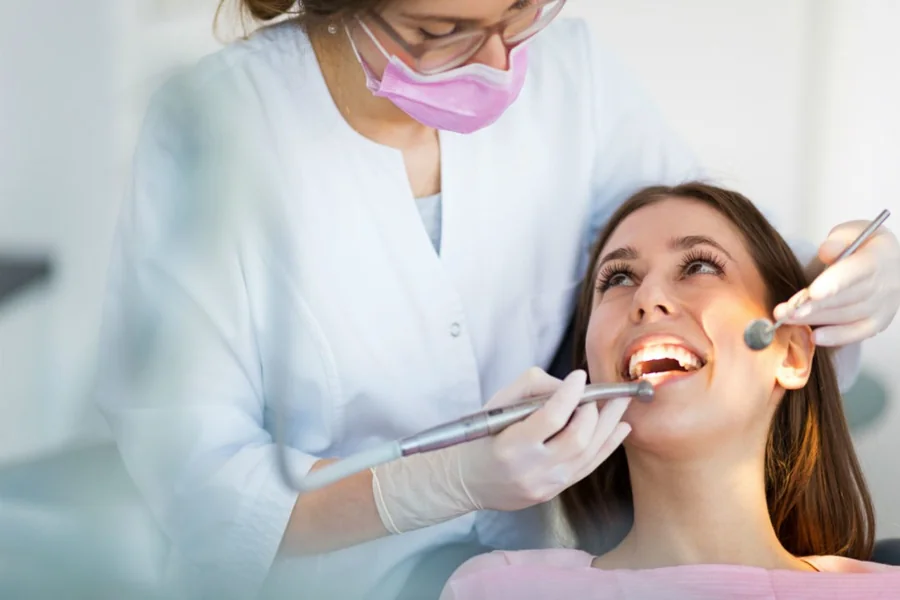

Preventive dental care is foundational to long-term oral health and overall well-being. Rather than focusing solely on treating problems after they develop, preventive practices aim to reduce the risk of tooth decay, periodontal disease, enamel wear, and other oral conditions before they become serious. Dentists consistently emphasize prevention because small, regular habits can significantly influence oral health outcomes over time. Through proper daily care, routine evaluations, and early intervention, individuals can protect their teeth and gums while avoiding discomfort and costly procedures. Preventive care also supports confidence, comfort, and the ability to maintain natural teeth well into later life.
Key Preventive Dental Principles
- Daily Oral Hygiene and Professional Guidance
Daily oral hygiene is the cornerstone of preventive dental care, but dentists stress that technique matters just as much as frequency. Brushing twice daily with proper technique helps remove plaque before it hardens into tartar, while flossing disrupts bacteria between teeth and along the gumline. Dentists often guide patients on brushing angles, pressure, and timing to avoid enamel wear and gum irritation. Regular professional input ensures that at-home routines remain effective as oral conditions change with age. Many dental teams, including practices such as Be Well Dental near North Vancouver, BC, encourage personalized hygiene plans that align daily habits with professional care goals. This ongoing guidance strengthens prevention by adapting routines to each patient’s needs.
- Routine Dental Visits and Early Detection
Regular dental visits play a critical role in identifying early signs of oral health issues that may not yet be visible or painful. During routine examinations, dentists assess tooth surfaces, periodontal health, occlusion, and existing restorations. Early detection allows minor concerns to be addressed before they progress into larger problems that affect comfort and function. Preventive appointments also include professional cleanings that remove hardened plaque that is inaccessible to brushing alone. These visits establish a consistent monitoring system that helps maintain oral health stability. By prioritizing routine checkups, patients benefit from timely care that preserves natural teeth and supports long-term oral balance.
- Understanding Diet’s Role in Oral Health
Dentists frequently highlight the connection between diet and oral health as a key preventive factor. Sugary and acidic foods contribute to enamel erosion and bacterial growth, increasing the risk of cavities and sensitivity. Preventive care includes guidance on meal timing, beverage choices, and oral rinsing habits that help neutralize acids. Dentists often recommend balanced diets that support saliva production, which naturally protects teeth by washing away food particles. Preventive dietary awareness does not require extreme restrictions; rather, it emphasizes moderation and informed choices that protect enamel over time. This nutritional approach supports both oral health and overall wellness.
- Fluoride and Enamel Protection
Fluoride remains an important preventive measure recommended by dentists to strengthen enamel and reduce the risk of cavities. It works by reinforcing tooth surfaces and helping repair early-stage decay before damage becomes permanent. Dentists may suggest fluoride toothpaste, mouth rinses, or in-office treatments depending on individual risk factors. Preventive fluoride use is tailored to age, lifestyle, and oral condition rather than applied uniformly. By supporting enamel resilience, fluoride contributes to long-term tooth preservation and reduces the likelihood of restorative treatment. This proactive approach aligns with prevention-focused dental care strategies.
- The Importance of Gum Health Monitoring
Healthy gums are essential to maintaining strong teeth and preventing tooth loss. Dentists emphasize oral hygiene as a core component of prevention because early periodontal inflammation can progress silently. Preventive practices include gentle brushing along the gumline, flossing, and professional cleanings, which reduce bacterial accumulation. Dentists also monitor gum measurements and tissue response over time to identify subtle changes. Addressing gum concerns early helps preserve bone support and overall oral stability. Preventive gum care supports both dental function and general health, reinforcing its importance in routine dental guidance.
- Preventive Care for Children and Teens
Preventive dental care begins early, with dentists encouraging positive habits from childhood. Early visits help children become comfortable with dental environments while allowing dentists to monitor tooth development and alignment. Preventive guidance for younger patients often includes sealants, fluoride applications, and education on brushing techniques. Establishing preventive routines early reduces the likelihood of decay and anxiety later in life. As children grow, preventive care evolves to address changing oral conditions, including orthodontic considerations. This early focus builds a strong foundation for lifelong oral health.
- Preventive Education and Patient Awareness
Education plays a vital role in preventive dentistry, as informed patients are better equipped to protect their oral health. Dentists often explain how daily habits, stress, and health conditions affect teeth and gums. Preventive education empowers individuals to recognize warning signs and seek care promptly. Understanding the rationale for preventive recommendations fosters consistency and confidence in daily routines. This shared knowledge strengthens the partnership between patients and dental providers, making prevention a collaborative effort rather than a passive process.
- Long-Term Benefits of Preventive Dental Care
The long-term advantages of preventive care extend beyond avoiding dental discomfort. Maintaining natural teeth supports proper chewing, speech, and facial structure. Preventive practices also reduce the need for complex dental procedures, helping patients maintain stability and comfort over time. Dentists emphasize prevention to support quality of life by preserving oral function. Over the years and decades, consistent preventive care contributes to confidence and overall health. This approach reinforces the value of proactive dental habits.
- Preventive Care and Aging Oral Health
As individuals age, preventive dental care evolves to address changes in enamel, salivary production, and periodontal health. Dentists recommend ongoing evaluations to adjust care strategies in response to evolving needs. Preventive care is increasingly important for managing wear, sensitivity, and existing dental work. By maintaining preventive routines, older adults can preserve oral comfort and function. This adaptive approach ensures that preventive care remains effective across all life stages.
Preventive care practices recommended by dentists provide a reliable path toward lasting oral health. Through daily hygiene, routine evaluations, dietary awareness, and early intervention, individuals can reduce the risk of dental problems before they escalate. Prevention emphasizes consistency, education, and collaboration between patients and dental professionals. By prioritizing preventive care at every stage of life, individuals protect not only their teeth and gums but also their overall well-being. This long-term focus transforms dental care from reactive treatment into proactive health maintenance.


